














7 Essential Components for IT Professionals

Introduction
In today’s fast-paced digital world, IT professionals are responsible for managing the technology infrastructure that keeps businesses running smoothly. Whether supporting a small office or a large enterprise, IT teams must ensure that systems remain secure, efficient, and available at all times.
Modern organizations depend heavily on technology for communication, collaboration, customer service, data management, and business operations. As a result, having the right IT components is critical for maintaining productivity and minimizing downtime.
From powerful servers and storage systems to networking equipment and cybersecurity solutions, each component plays a vital role in supporting daily operations. Understanding these technologies helps IT professionals make informed decisions when building, upgrading, or maintaining infrastructure.
This guide explores seven essential components that every IT professional should consider when creating a reliable and future-ready IT environment.
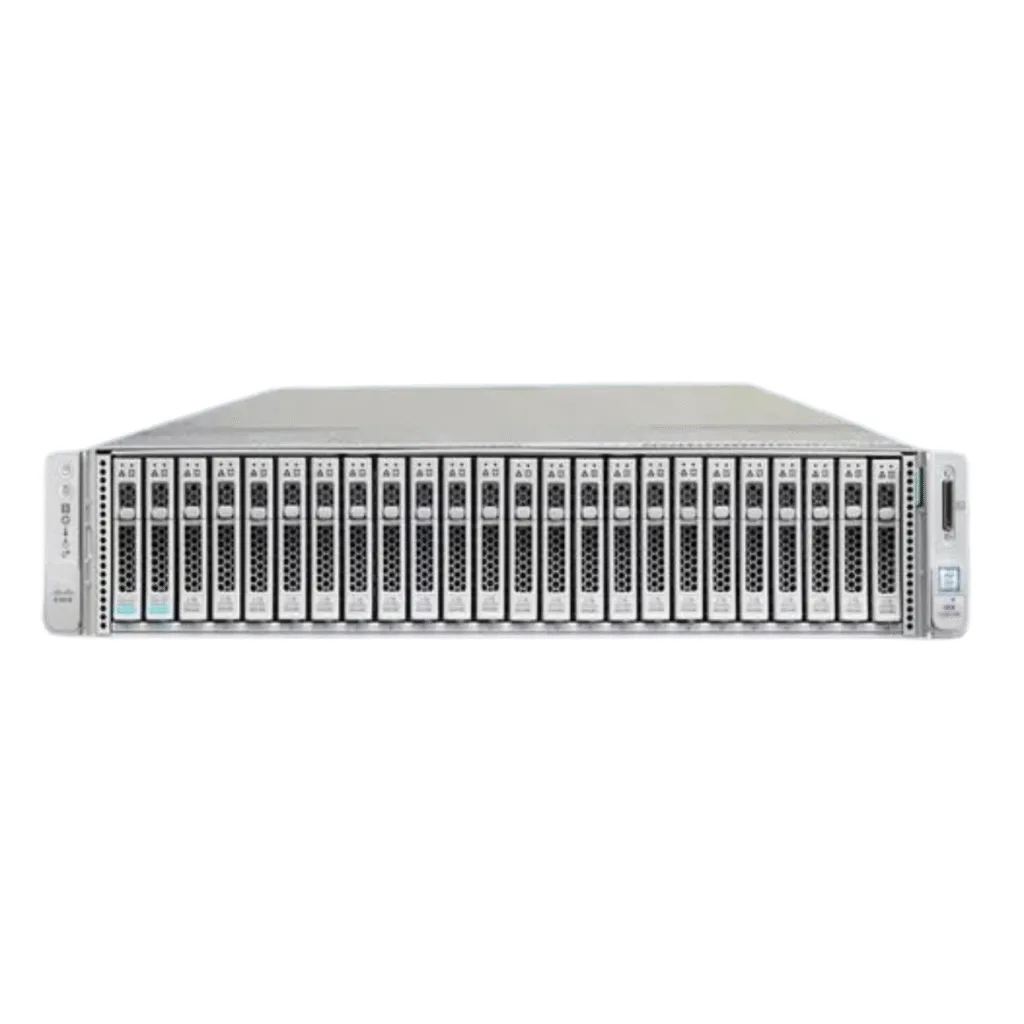
1. Servers: The Foundation of Business Operations

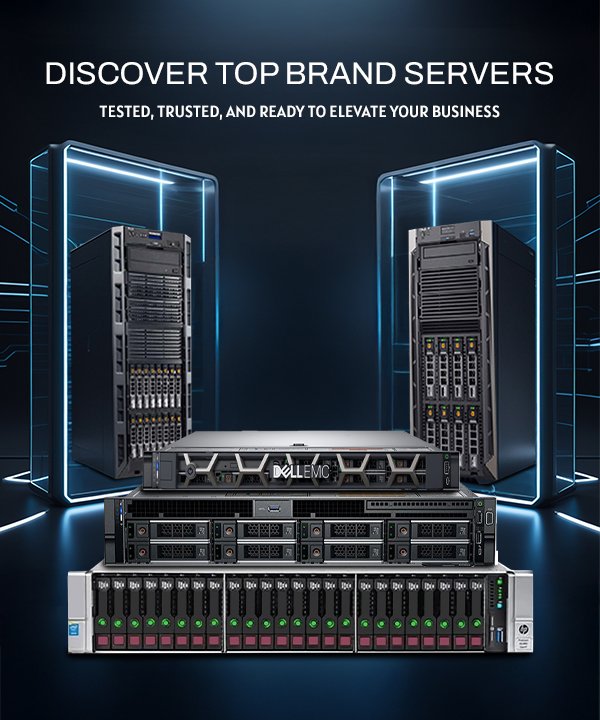
Servers are the backbone of nearly every business network. They provide centralized resources that support applications, websites, databases, email systems, virtualization platforms, and file sharing services.
Without reliable servers, organizations would struggle to manage workloads efficiently or provide employees with consistent access to critical business tools.
Why Servers Are Important
Servers help businesses:
- Centralize data and applications
- Improve resource management
- Support virtualization technologies
- Enhance security and access control
- Simplify backup and disaster recovery
Common Server Types
- File Servers
- Database Servers
- Application Servers
- Web Servers
- Virtualization Servers
- Backup Servers
As organizations grow, scalable server infrastructure becomes increasingly important for maintaining performance and supporting future expansion.
2. Storage Systems: Protecting Valuable Business Data Components

Data is one of the most valuable assets a business owns. Storage systems ensure that information remains available, secure, and organized.
Modern businesses generate massive amounts of data every day, including customer records, financial reports, emails, project files, and multimedia content.
Benefits of Enterprise Storage
- Centralized data management
- Improved collaboration
- Faster file access
- Secure backups
- Long-term data retention
Popular Storage Solutions
- NAS (Network Attached Storage)
- SAN (Storage Area Network)
- External Storage Devices
- Cloud Storage Platforms
- Hybrid Storage Systems
Investing in reliable storage infrastructure helps organizations protect information while supporting operational efficiency.
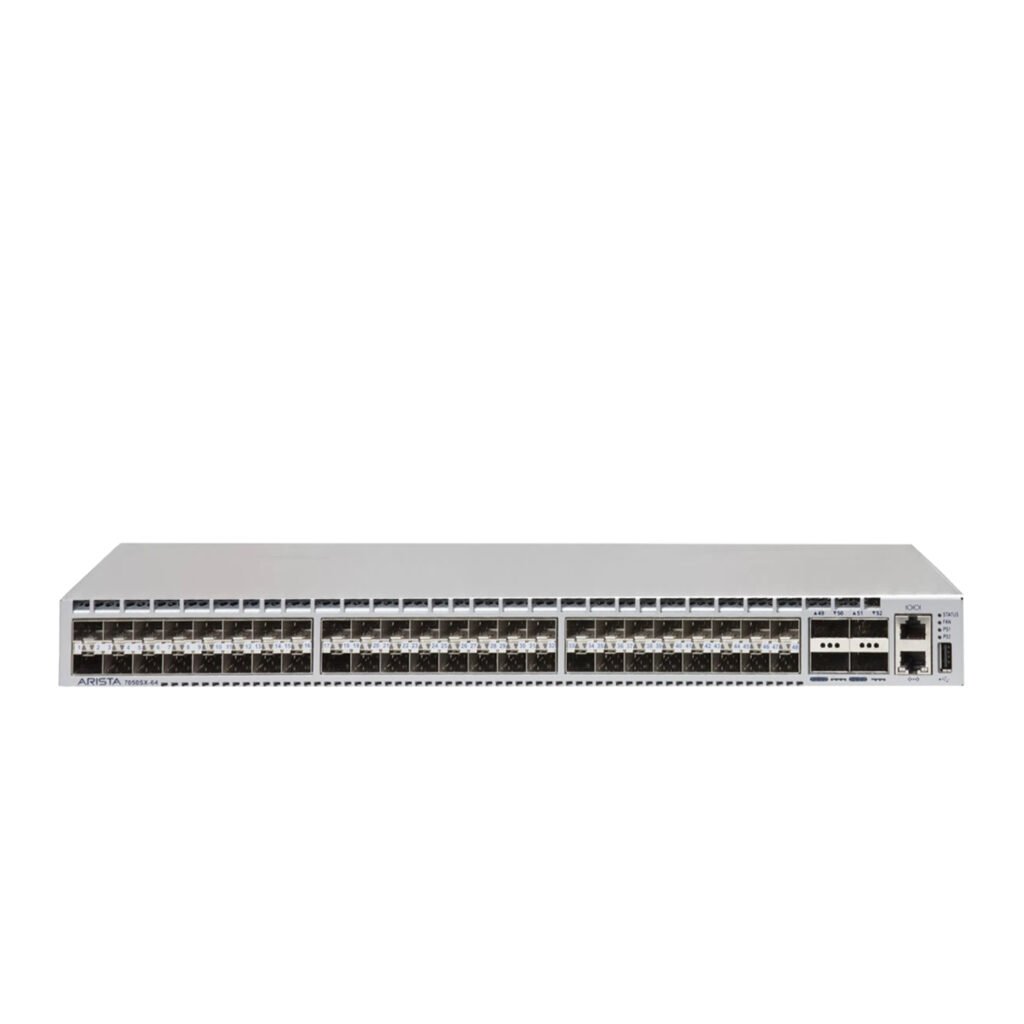
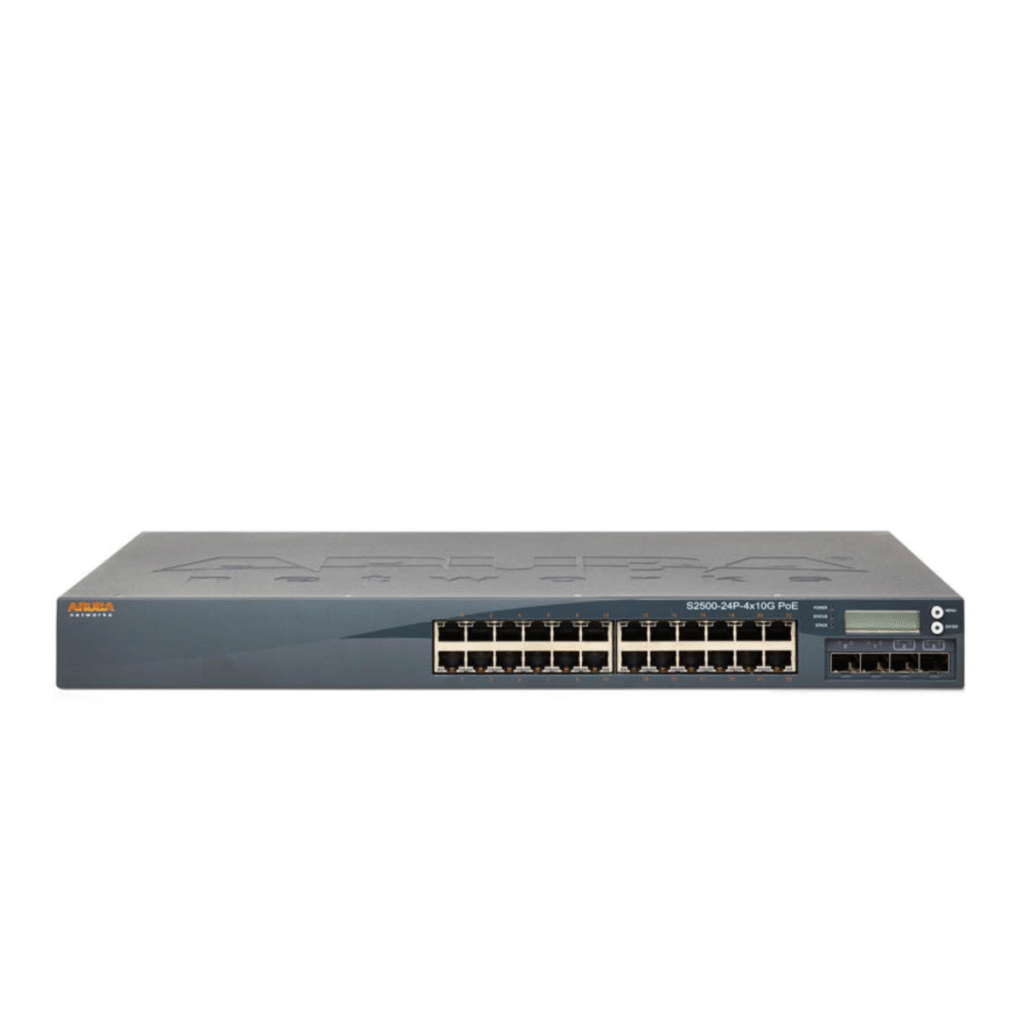
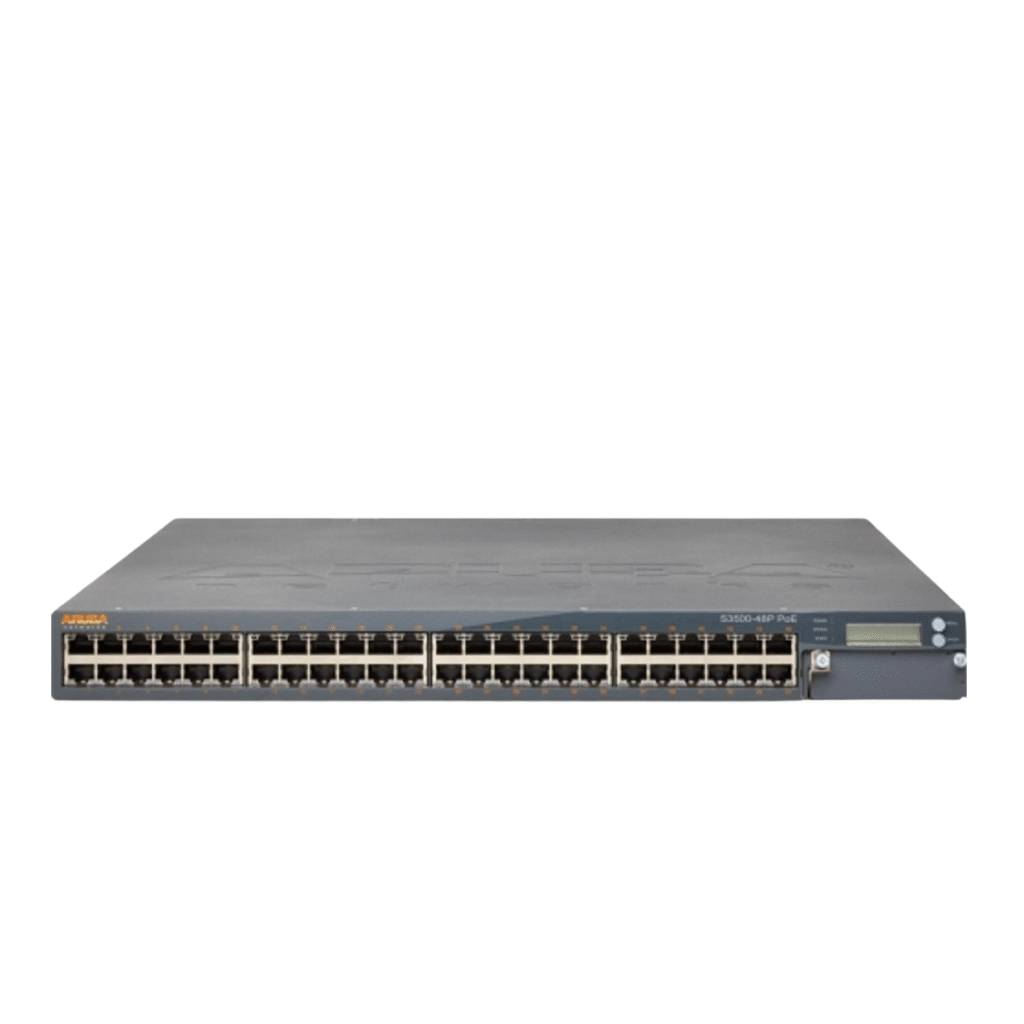
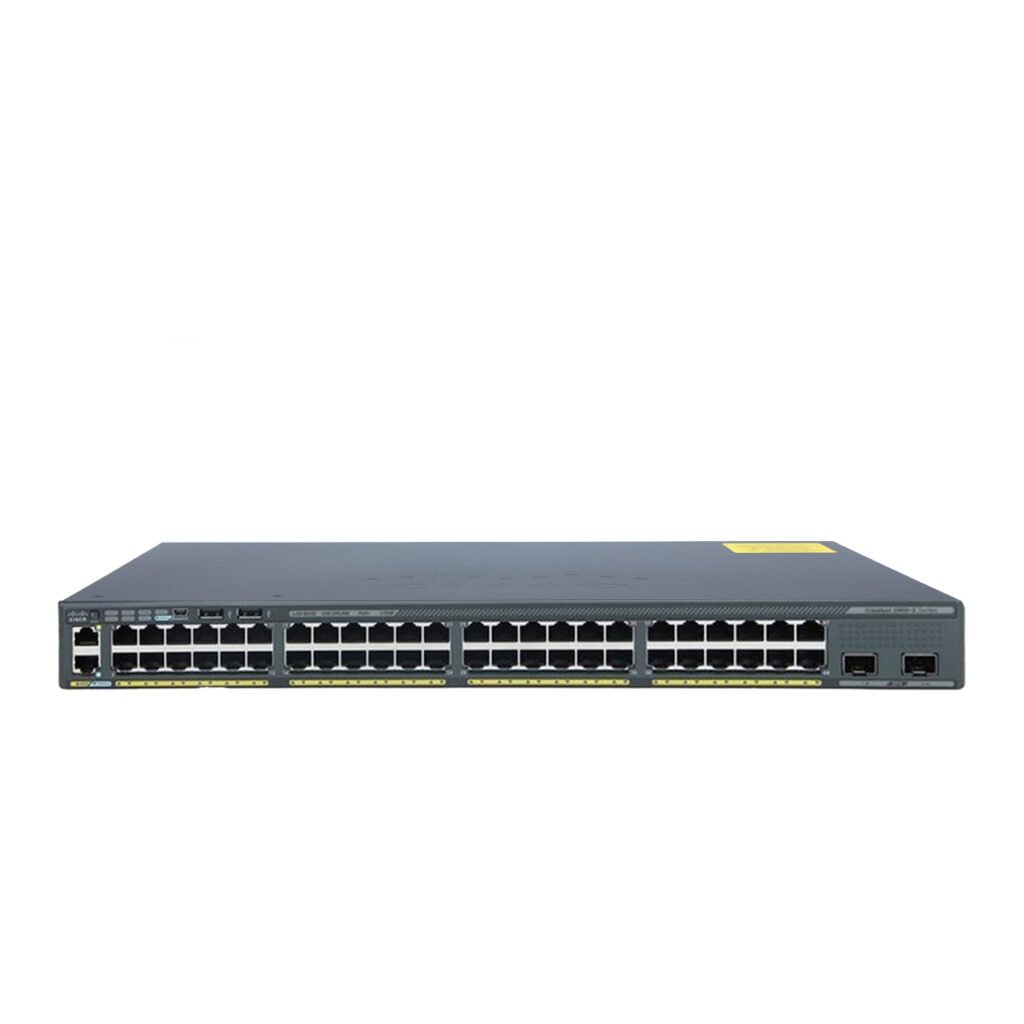
3. Network Switches: Enabling Efficient Communication


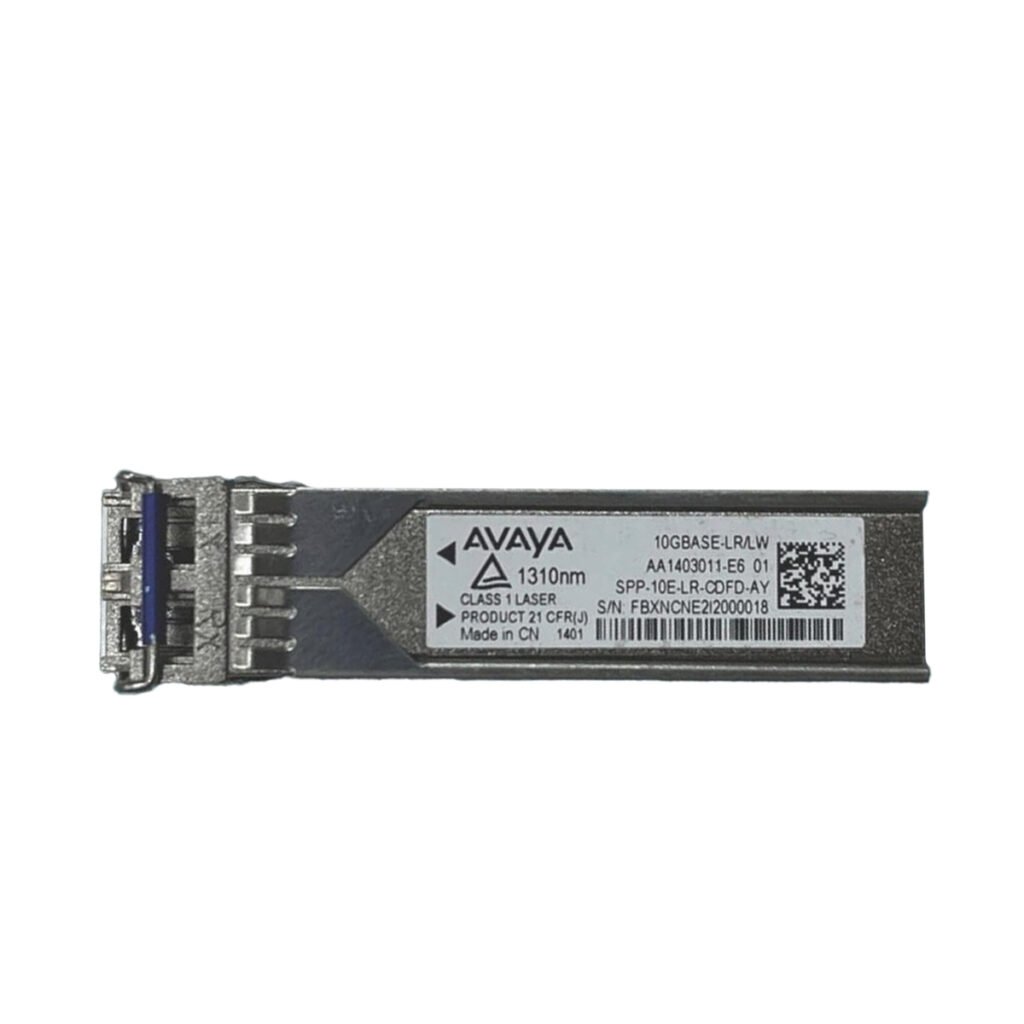
Network switches allow devices to communicate efficiently within a local network. They connect servers, computers, printers, access points, and other devices while directing traffic to the appropriate destination.
Without switches, modern business networks would not be able to function effectively.
Key Advantages
- Faster network performance
- Reduced congestion
- Better bandwidth utilization
- Improved scalability
- Enhanced network reliability
Managed vs Unmanaged Switches
Managed switches provide advanced features such as:
- VLAN configuration
- Network monitoring
- Security controls
- Traffic prioritization
These capabilities make managed switches particularly valuable in professional environments.
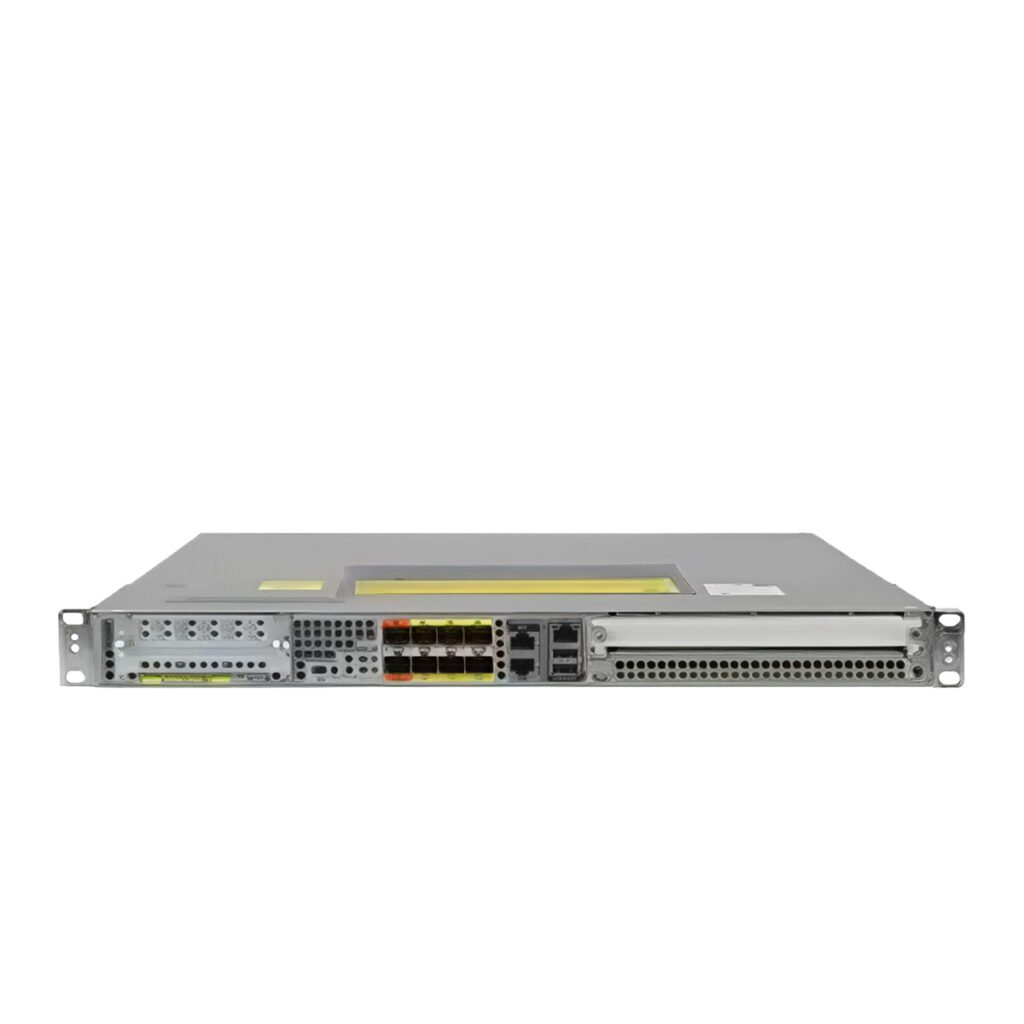
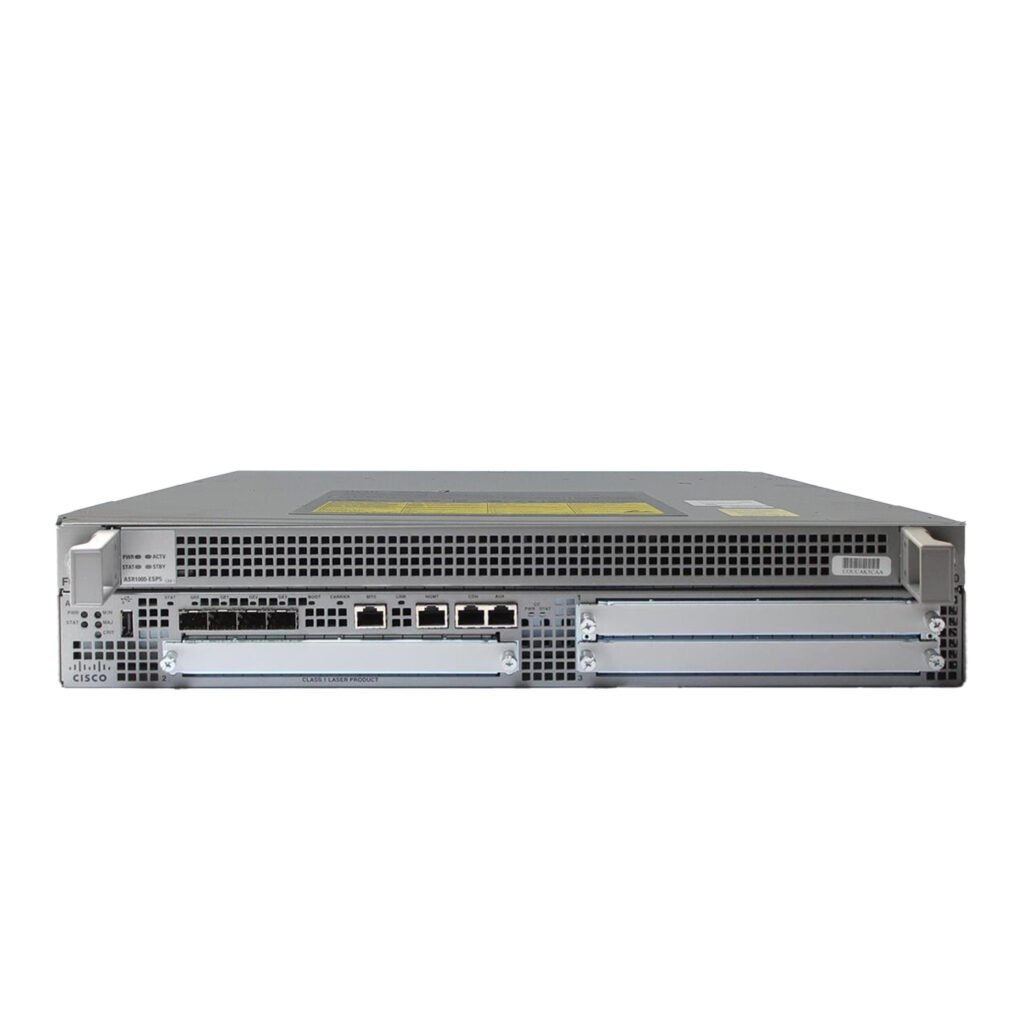
4. Routers: Connecting Businesses to the World


Routers serve as gateways between internal networks and external networks such as the internet.
They determine the most efficient path for data transmission and help maintain stable communication between devices and services.
Business Benefits
- Reliable internet access Components
- Network segmentation
- Improved performance
- Traffic management
- Enhanced security
Modern enterprise routers often include advanced capabilities such as VPN support, Quality of Service (QoS), and integrated security features.
Organizations with multiple offices frequently depend on routers to connect locations securely and efficiently.
5. Firewalls: Strengthening Cybersecurity


Cybersecurity threats continue to evolve, making firewalls an essential component of modern IT infrastructure.
Firewalls monitor and control network traffic, helping prevent unauthorized access and protecting systems from malicious activity.
Security Benefits
- Threat prevention
- Access control Components
- Malware protection
- Traffic monitoring
- Compliance support
Next-Generation Firewalls
Modern firewalls provide advanced capabilities including:
- Intrusion prevention
- Application control
- Deep packet inspection
- Threat intelligence integration
These features help organizations defend against increasingly sophisticated cyber threats.
6. Hard Drives and SSDs: Powering Data Storage


Hard drives and solid-state drives are fundamental storage components that directly affect performance and reliability.
Traditional HDDs offer large capacities at affordable prices, while SSDs provide significantly faster read and write speeds.
Benefits of SSDs
- Faster boot times
- Improved application performance
- Reduced latency
- Lower power consumption
Benefits of HDDs
- Cost-effective storage
- Large capacities Components
- Suitable for backups and archives
Many organizations use a combination of SSDs and HDDs to balance performance and storage costs.
7. UPS Systems: Ensuring Business Continuity


Power outages can disrupt operations, damage equipment, and cause data loss.
An Uninterruptible Power Supply (UPS) provides temporary backup power when electrical issues occur.
Why UPS Systems Matter
- Protect critical equipment
- Prevent unexpected shutdowns
- Reduce downtime
- Support disaster recovery
- Improve infrastructure reliability
For businesses operating servers, storage systems, and networking equipment, UPS protection is often considered essential rather than optional Components
Conclusion
Technology infrastructure is only as strong as the components that support it. Servers, storage systems, switches, routers, firewalls, storage drives, and UPS solutions each play a critical role in maintaining performance, security, and reliability.
By investing in these essential components, IT professionals can create resilient environments capable of supporting modern business operations, protecting valuable data, and adapting to future technological demands. Organizations that prioritize infrastructure quality are better positioned to improve productivity, reduce risks, and achieve long-term success in an increasingly digital world.