















6 Essential Firewalls for SMB Security

Introduction
Cybersecurity is no longer a concern reserved for large enterprises. Today, small and medium-sized businesses (SMBs) face the same sophisticated cyber threats as multinational organizations. From ransomware attacks and phishing campaigns to unauthorized network access and malware infections, cybercriminals increasingly target smaller businesses because they often have fewer security resources.

A single security breach can result in financial losses, reputational damage, legal consequences, and prolonged operational downtime. As businesses continue adopting cloud services, hybrid work environments, and connected devices, protecting network infrastructure has become more important than ever.
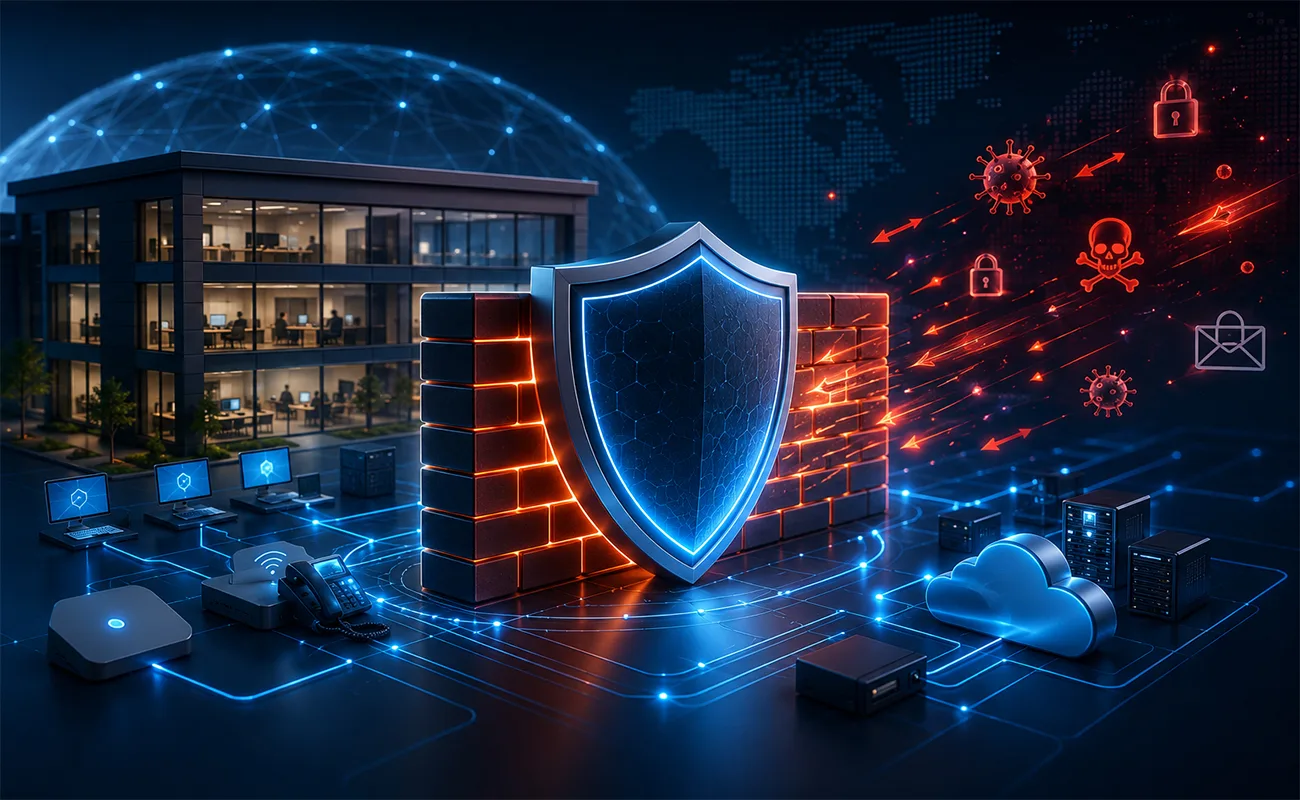
One of the most effective ways to strengthen cybersecurity is by deploying a modern SMB business firewall. Firewalls serve as the first line of defense by monitoring incoming and outgoing traffic, blocking malicious connections, enforcing security policies, and protecting valuable business data.
Today’s next-generation firewalls (NGFWs) provide far more than traditional packet filtering. They incorporate advanced capabilities such as intrusion prevention, deep packet inspection, application awareness, secure VPN connectivity, malware detection, web filtering, and real-time threat intelligence.

Choosing the right firewall depends on several factors, including business size, budget, network complexity, compliance requirements, and future growth plans. Fortunately, several trusted vendors offer firewall solutions specifically designed to meet the needs of small and medium-sized businesses (SMB).
In this guide, we’ll explore six of the most reliable firewall brands for SMBs, highlighting their strengths, ideal use cases, and the features that make them excellent investments for modern business security.
Why Every SMB Needs a Business Firewall

Many business owners mistakenly believe that cybercriminals only target large corporations. In reality, small and medium-sized (SMB) businesses are often more attractive targets because attackers assume they have weaker security defenses.

A firewall acts as a security gate between your internal network and the outside world. Every piece of data entering or leaving your network passes through the firewall, where it is inspected according to predefined security rules.
Modern firewalls help businesses:
- Block unauthorized access attempts.
- Prevent malware from entering the network.
- Protect sensitive customer information.
- Secure remote employees through encrypted VPN connections.
- Detect suspicious network behavior.
- Reduce the risk of ransomware attacks.
- Improve compliance with industry regulations.
- Monitor network activity in real time.
- Control employee internet usage.
- Protect cloud-connected environments.
Beyond preventing attacks, firewalls also give IT administrators greater visibility into network traffic. This allows businesses to identify unusual behavior before it becomes a serious security incident.
What Makes a Firewall Ideal for SMBs?


Not every firewall is designed with small businesses in mind. While enterprise-level solutions offer extensive capabilities, SMBs often require a balance between affordability, ease of management, and strong security.
An ideal firewall for a growing business should provide:
Advanced Threat Protection
Modern firewalls should identify malware, ransomware, phishing attempts, and other cyber threats before they reach internal systems.
High Performance
Security should not slow down business operations. A quality firewall maintains strong protection while supporting fast network speeds.
VPN Support
Secure VPN connections allow remote employees to access company resources safely from anywhere.
Application Control
Businesses should be able to monitor and manage which applications employees can use on the network.
Web Filtering
Web filtering blocks access to malicious or inappropriate websites, reducing the likelihood of security incidents.
Easy Management
Small businesses often have limited IT staff. User-friendly dashboards simplify configuration, monitoring, and troubleshooting.
Scalability
As the business grows, the firewall should be able to support additional users, devices, cloud services, and office locations.
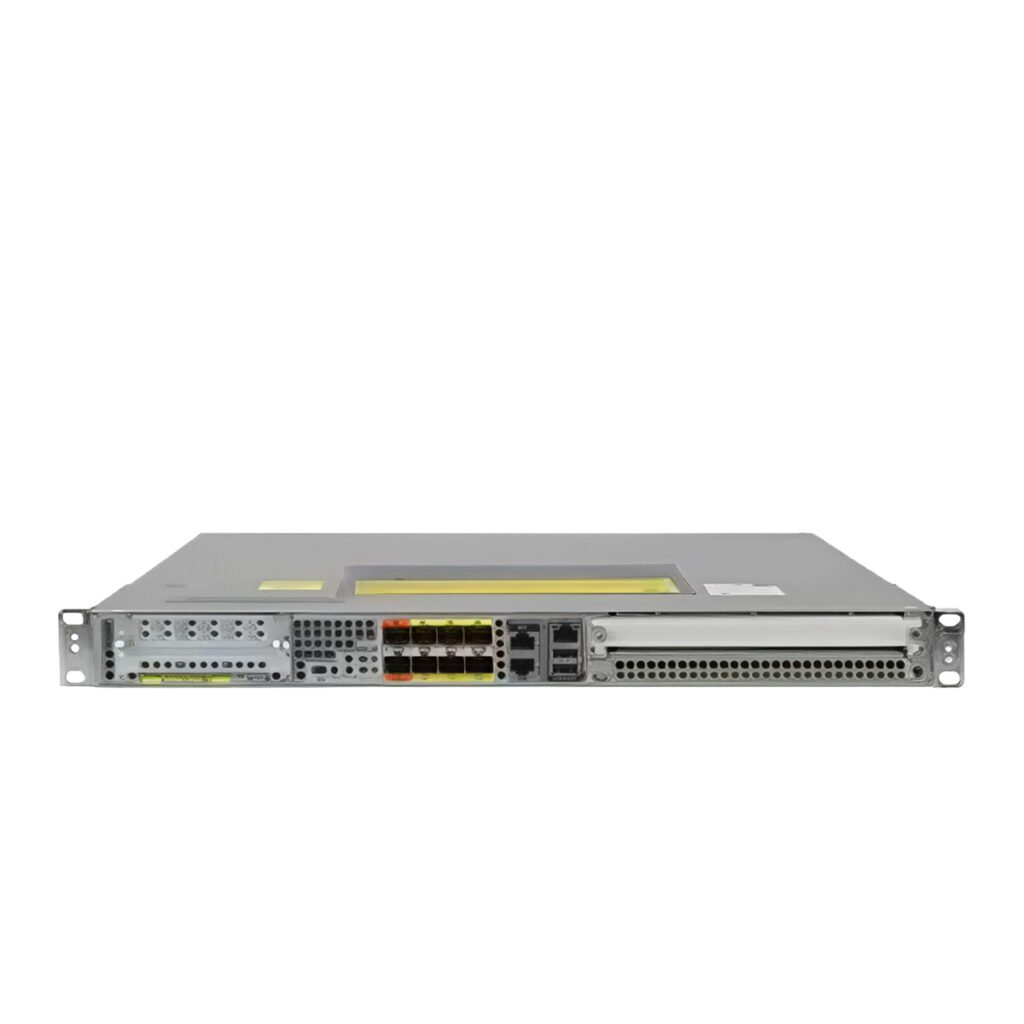
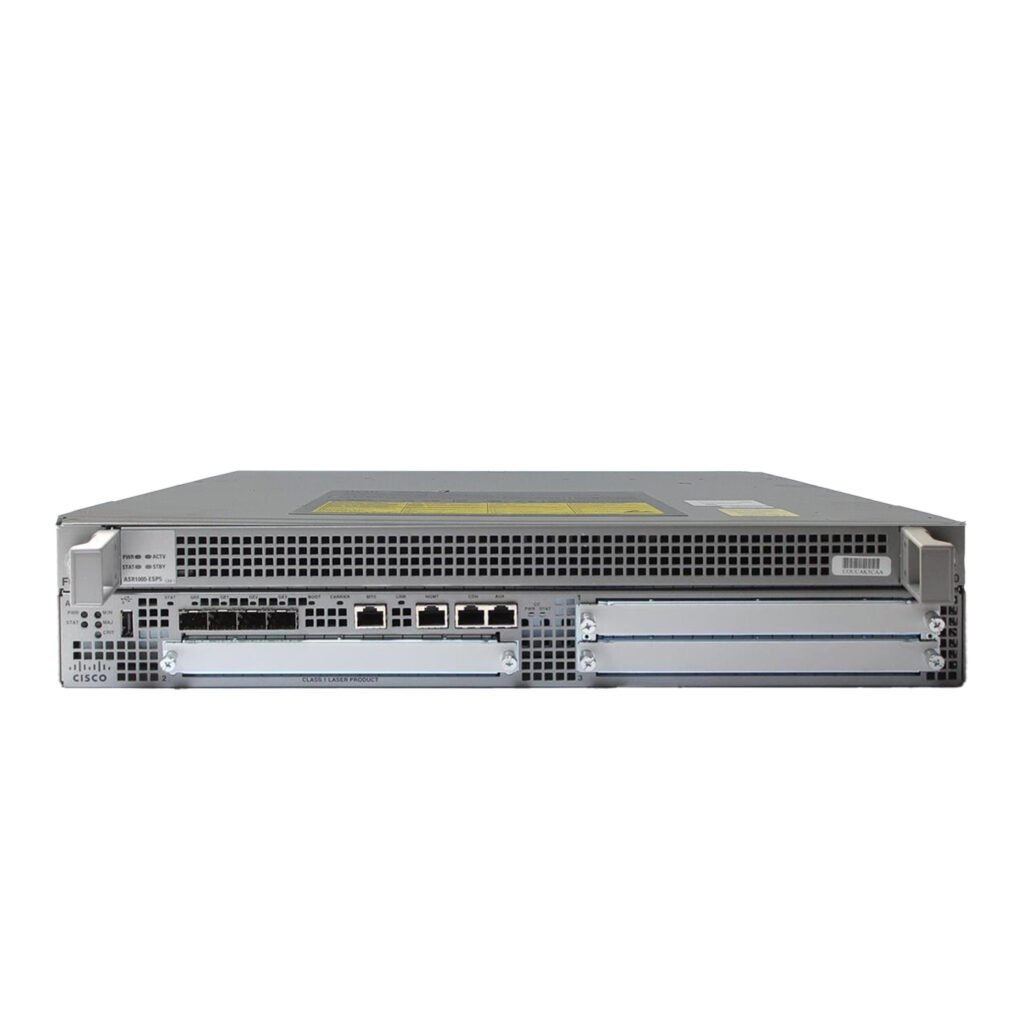
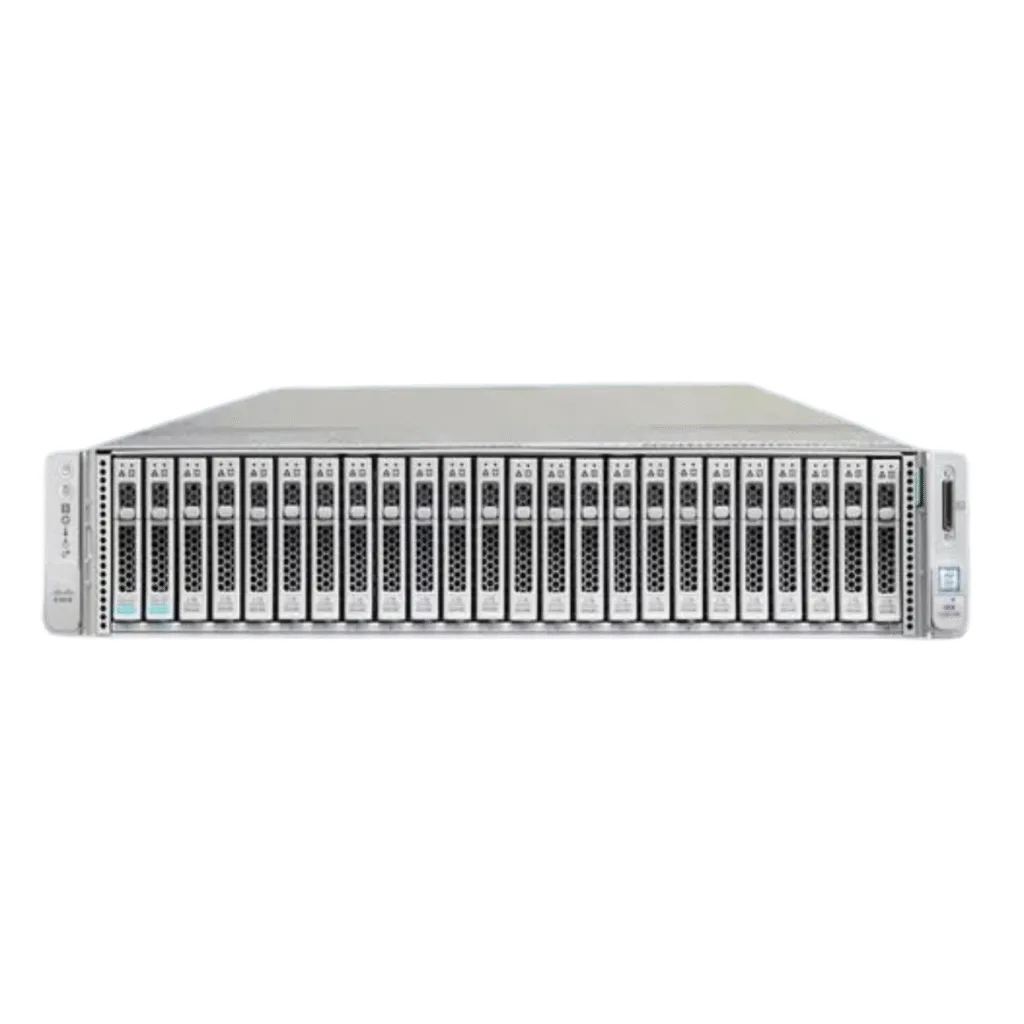
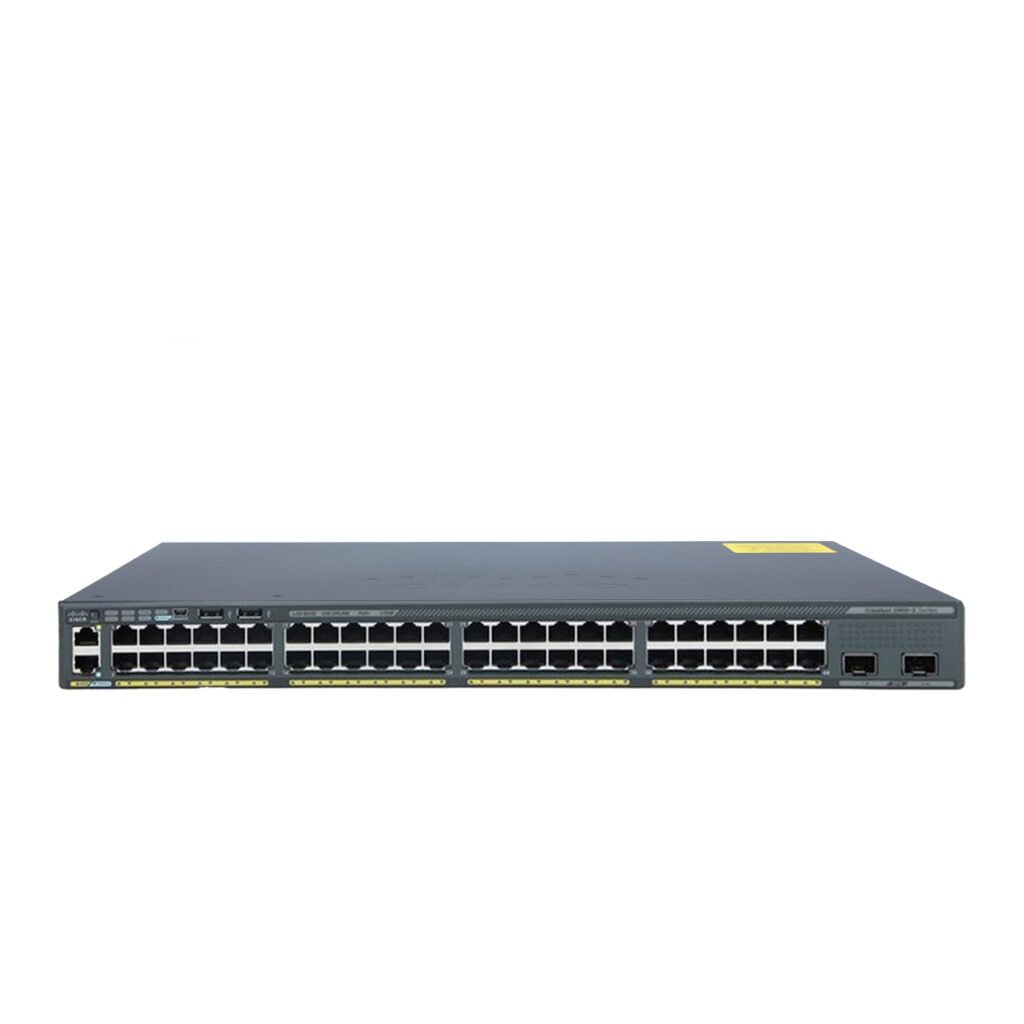
1. Cisco Firewalls


Cisco has earned a reputation as one of the world’s leading networking and cybersecurity companies. Its firewall solutions are widely deployed across enterprises, government
agencies, educational institutions, and growing businesses.

Cisco Secure Firewall combines advanced threat prevention with seamless integration into Cisco’s networking ecosystem, making it an attractive choice for organizations already using Cisco switches, routers, or wireless solutions.
Key Features
- Advanced intrusion prevention
- Malware protection
- Secure VPN connectivity
- Application visibility
- Deep packet inspection
- Real-time threat intelligence
- Cloud security integration
- Network segmentation
Cisco’s firewalls leverage global threat intelligence to identify and block emerging cyber threats before they impact business operations.
Advantages
- Industry-leading reputation
- Excellent enterprise scalability
- Strong integration with Cisco infrastructure
- Reliable long-term support
- Comprehensive management tools
Best For
Cisco firewalls are ideal for businesses planning long-term infrastructure growth or already invested in Cisco networking equipment.
Potential Considerations
While Cisco provides exceptional capabilities, some smaller businesses may find the initial investment and licensing costs higher than other firewall vendors.
2. Fortinet Firewalls


Fortinet has become one of the fastest-growing cybersecurity companies in the world. Its FortiGate firewall series is particularly popular among small and medium-sized businesses (SMB) because it combines enterprise-level protection with competitive pricing.
Fortinet firewalls are powered by proprietary security processors that deliver excellent performance while maintaining strong security capabilities.
Key Features
- AI-powered threat detection
- Intrusion prevention system (IPS)
- Secure SD-WAN
- Application control
- Advanced web filtering
- SSL inspection
- Integrated VPN
- Centralized management
Fortinet also benefits from FortiGuard Labs, a global threat intelligence service that continuously updates firewall protections against newly discovered threats.
Advantages
- Excellent price-to-performance ratio
- User-friendly management interface
- Fast security processing
- Strong cloud integration
- Comprehensive security ecosystem
Best For
Fortinet is an excellent choice for SMBs seeking enterprise-grade protection without enterprise-level costs
3. Sophos Firewalls


Sophos has become one of the most trusted cybersecurity companies for small and medium-sized businesses (SMB). Unlike many security vendors that focus solely on network protection, Sophos offers a synchronized cybersecurity ecosystem where firewalls, endpoint protection, email security, mobile security, and cloud protection work together.
This integrated approach allows organizations to detect threats faster and automatically respond to suspicious activities across the entire network.
Sophos XGS Firewalls are designed to provide enterprise-level security without requiring a large IT department. Their intuitive interface makes them an excellent option for organizations that need advanced protection while keeping management simple.
Key Features
- Deep packet inspection
- AI-powered threat detection
- Intrusion Prevention System (IPS)
- Web application firewall
- Secure VPN connectivity
- SSL inspection
- Web filtering
- Application control
- Sandboxing technology
- Cloud management capabilities
One of Sophos’ biggest strengths is its synchronized security technology. If an endpoint becomes infected, the firewall can automatically isolate that device before malware spreads throughout the network.
Advantages
- Extremely user-friendly interface
- Excellent threat visibility
- Automatic incident response
- Strong remote work support
- Easy deployment
- Cloud-based management options
- Comprehensive reporting tools
Best For
Sophos firewalls are particularly suitable for:
- Small businesses
- Healthcare organizations
- Schools and universities
- Professional service firms
- Companies with hybrid workforces
Why SMBs Choose Sophos
Many SMBs have limited cybersecurity staff. Sophos simplifies firewall management through automated security policies and intelligent threat response, allowing smaller IT teams to manage enterprise-grade protection efficiently.
4. SonicWall Firewalls

SonicWall has specialized in network security for decades and continues to provide reliable firewall solutions for businesses of all sizes. The company is especially well known among SMBs due to its balance of affordability, performance, and advanced threat protection.
Modern SonicWall firewalls combine traditional firewall functionality with advanced security services that help protect against ransomware, encrypted malware, phishing attacks, and zero-day threats.
Their products support businesses that require secure internet access, branch office connectivity, and remote employee protection.
Key Features
- Real-Time Deep Memory Inspection (RTDMI)
- Intrusion Prevention System
- Malware analysis
- Secure VPN
- Content filtering
- SSL inspection
- Application intelligence
- Bandwidth management
- Threat analytics
One unique capability is SonicWall’s Real-Time Deep Memory Inspection technology, which analyzes suspicious files directly in memory without executing them, helping identify advanced malware quickly.
Advantages
- Competitive pricing
- Reliable security performance
- Excellent VPN capabilities
- Strong malware protection
- Flexible deployment
- Cloud management support
- High availability options
Best For
SonicWall works particularly well for:
- Growing businesses
- Retail companies
- Branch offices
- Professional services
- Small data centers
Why Businesses Like SonicWall
Many organizations appreciate SonicWall’s straightforward licensing structure and dependable protection without excessive complexity.
5. WatchGuard Firewalls


WatchGuard has earned a strong reputation by focusing specifically on small and medium-sized Business (SMB) organizations. Its Firebox appliances deliver comprehensive network protection while remaining relatively simple to configure and maintain.
WatchGuard emphasizes layered security by combining firewall functionality with advanced threat detection, endpoint protection, secure Wi-Fi integration, and cloud-based management.
This unified security strategy helps organizations reduce administrative overhead while improving visibility across their entire network.
Key Features
- Intrusion prevention
- DNS filtering
- Gateway antivirus
- Intelligent malware detection
- Secure VPN
- Multi-factor authentication support
- Cloud management
- Threat intelligence
WatchGuard Cloud allows administrators to monitor multiple devices from a centralized dashboard, making it particularly useful for organizations managing multiple offices.
Advantages
- Easy deployment
- Excellent reporting
- Affordable pricing
- Strong cloud management
- Reliable support
- Good scalability
- Centralized administration
Best For
WatchGuard is ideal for:
- Small businesses
- Distributed offices
- Managed service providers
- Educational institutions
- Financial organizations
Why SMBs Choose WatchGuard
WatchGuard offers enterprise-level protection while maintaining simplicity. Businesses with smaller IT teams often appreciate its intuitive management interface and automated security services.
Comparing the Five Firewall Vendors

Choosing between firewall vendors depends on your organization’s specific priorities.
| Brand | Strength | Best For |
|---|---|---|
| Cisco | Enterprise integration | large businesses & Cisco environments |
| Fortinet | Performance & value | SMBs and growing enterprises |
| Sophos | Ease of management | Businesses with small IT teams |
| SonicWall | Strong threat protection | Budget-conscious organizations |
| WatchGuard | Simplicity & cloud management | Small businesses and MSPs |
Although every vendor delivers strong protection, their design philosophies differ.
Cisco focuses heavily on enterprise networking.
Fortinet prioritizes performance and integrated security.
Sophos emphasizes synchronized cybersecurity.
SonicWall balances affordability with advanced protection.
WatchGuard focuses on simple deployment and centralized management.
How Firewalls Protect Against Modern Cyber Threats

Modern cyberattacks are significantly more sophisticated than they were just a few years ago.

Today’s firewalls defend against:
Ransomware
Firewalls identify suspicious network behavior and block communication with malicious servers before ransomware spreads.
Malware
Advanced malware inspection scans files entering the network and blocks infected downloads.
Phishing
Web filtering prevents users from accessing known phishing websites.
Unauthorized Access
Firewalls enforce authentication policies and prevent unknown users from entering the network.
Insider Threats
Application controls and user monitoring help organizations detect unusual employee activity.
Zero-Day Attacks
AI-powered detection and behavioral analysis identify threats even before official signatures become available.
By combining multiple layers of protection, next-generation firewalls significantly reduce the likelihood of successful cyberattacks.
How Firewalls Support Business Continuity
Cyber incidents can interrupt normal operations for hours, days, or even weeks. During this time, employees may be unable to access systems, customers may experience service disruptions, and revenue can decline.
A well-designed firewall contributes to business continuity by:
- Blocking many attacks before they affect production systems
- Maintaining secure connectivity for remote employees
- Protecting backup infrastructure from network threats
- Reducing the risk of widespread malware infections
- Helping IT teams quickly identify and isolate compromised devices
When combined with reliable backups and disaster recovery planning, a firewall helps businesses recover faster from unexpected events.
Comparing Traditional Firewalls and Modern Business Firewalls
| Feature | Traditional Firewall | Modern SMB Firewall |
|---|---|---|
| Packet Filtering | ✔ | ✔ |
| Deep Packet Inspection | Limited | ✔ |
| Application Awareness | No | ✔ |
| Intrusion Prevention | No | ✔ |
| VPN Support | Basic | Advanced |
| Web Filtering | Limited | ✔ |
| Malware Detection | No | ✔ |
| Cloud Management | No | ✔ |
| SSL Inspection | No | ✔ |
| Real-Time Threat Intelligence | No | ✔ |
This comparison highlights why many businesses are replacing legacy security appliances with modern next-generation solutions.
Planning for Future Growth
Choosing a firewall based solely on today’s requirements can lead to costly upgrades sooner than expected.
When evaluating a firewall, think about:
- Will your workforce double over the next few years?
- Are you planning to open additional offices?
- Will you migrate applications to the cloud?
- Will remote work continue to expand?
- Are you adopting more connected devices or IoT equipment?
Selecting a solution with room to grow can save money and reduce disruption in the long term.
Conclusion
Cyber threats continue to evolve, and small and medium-sized businesses (SMB) are no longer overlooked by attackers. Whether you’re protecting customer information, financial records, intellectual property, or daily business operations, a modern firewall is one of the most valuable investments you can make.
The six essential firewall capabilities discussed in this guide—Next-Generation Firewall (NGFW), Unified Threat Management (UTM), Intrusion Prevention System (IPS), VPN functionality, Web Filtering, and Cloud Management—provide a strong foundation for securing today’s business networks.
However, technology alone isn’t enough. The most effective security strategy combines the right firewall with regular updates, sound security policies, employee awareness training, network segmentation, and continuous monitoring.
As your organization grows, your security infrastructure should evolve alongside SMB it. Choosing a scalable, feature-rich firewall today will help protect your business against tomorrow’s increasingly sophisticated cyber threats while ensuring reliable, secure, and uninterrupted operations.
Whether you’re building a new IT environment or upgrading an existing one, investing in the right firewall is an investment in your business’s (SMB) future resilience, reputation, and success.