















How Cybersecurity Firewalls Business Improve Network Protection?

Introduction
In today’s digital business environment, Cybersecurity is becoming more sophisticated and frequent than ever before. Organizations of all sizes rely heavily on internet-connected systems, cloud applications, remote work solutions, and digital communication platforms to maintain daily operations. While these technologies improve productivity and collaboration, they also create opportunities for cybercriminals to exploit network vulnerabilities.
A single cyberattack can result in data breaches, financial losses, operational disruptions, and reputational damage. For businesses handling sensitive customer information, financial records, intellectual property, or confidential communications, network security is no longer optional—it is essential.
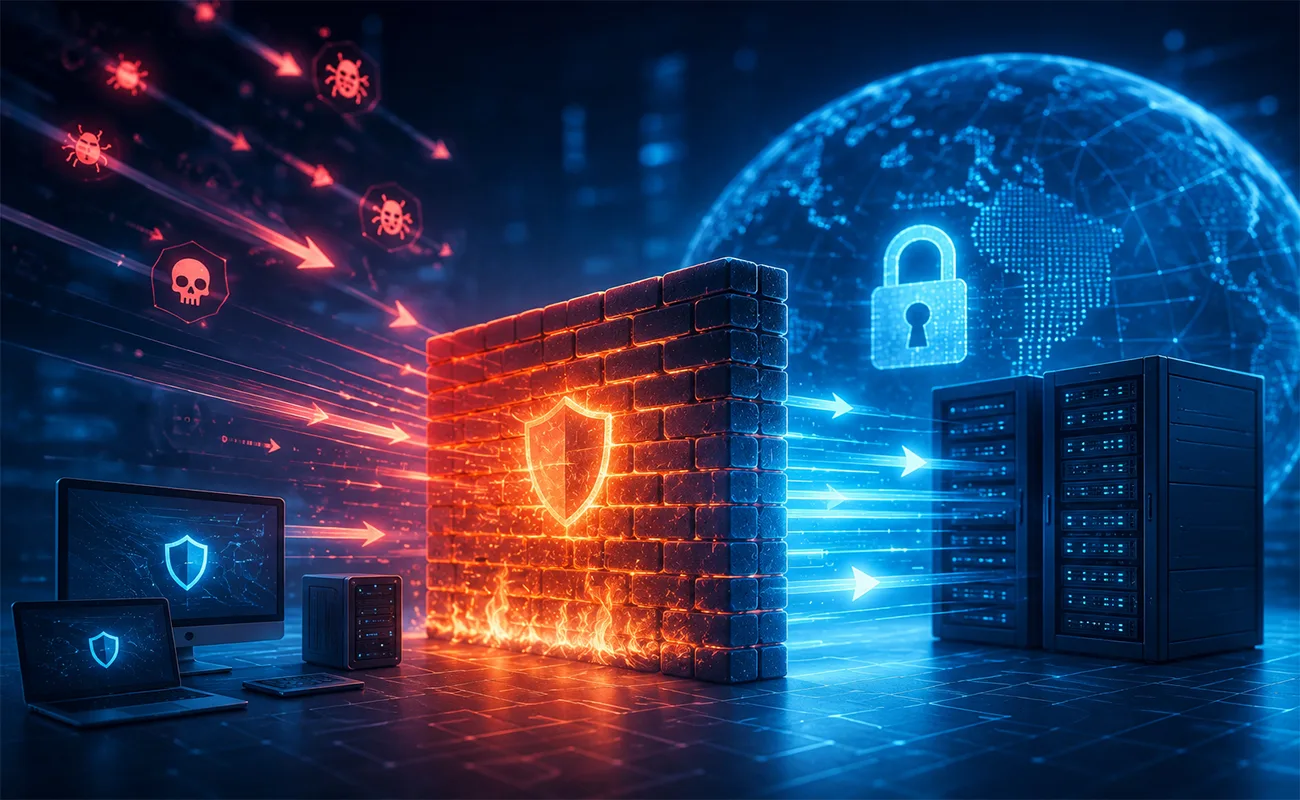
One of the most effective and widely used security technologies for protecting business networks is the firewall. Acting as a protective barrier between trusted internal networks and potentially dangerous external traffic, firewalls help organizations control access, block malicious activity, and maintain secure communication channels.
Modern firewalls have evolved far beyond simple traffic filtering. Today’s next-generation firewall solutions provide advanced threat detection, application control, intrusion prevention, content filtering, and real-time security monitoring capabilities that help businesses defend against a wide range of cyber threats.
In this guide, we explore how firewalls improve business network protection, why they are essential for modern organizations, and the key benefits they provide in strengthening cybersecurity strategies.
What Is a Firewall?


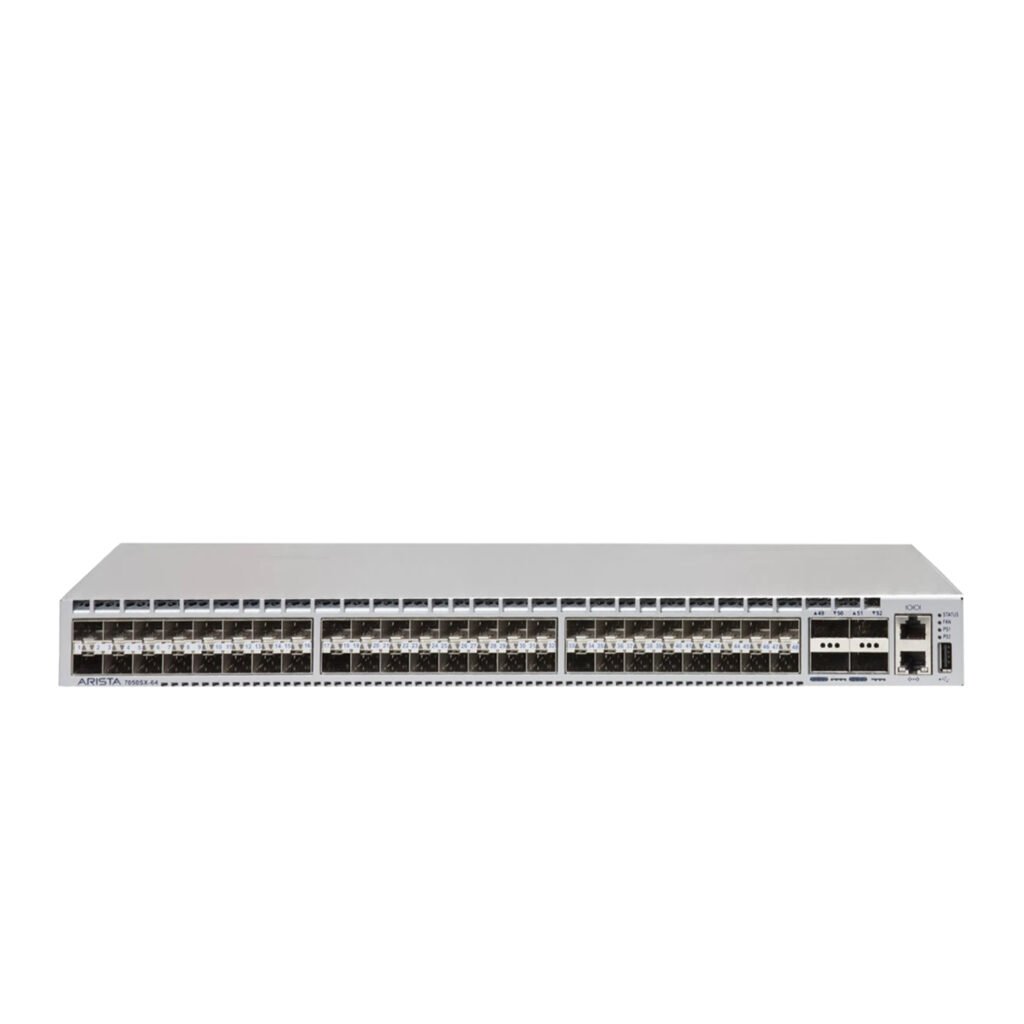
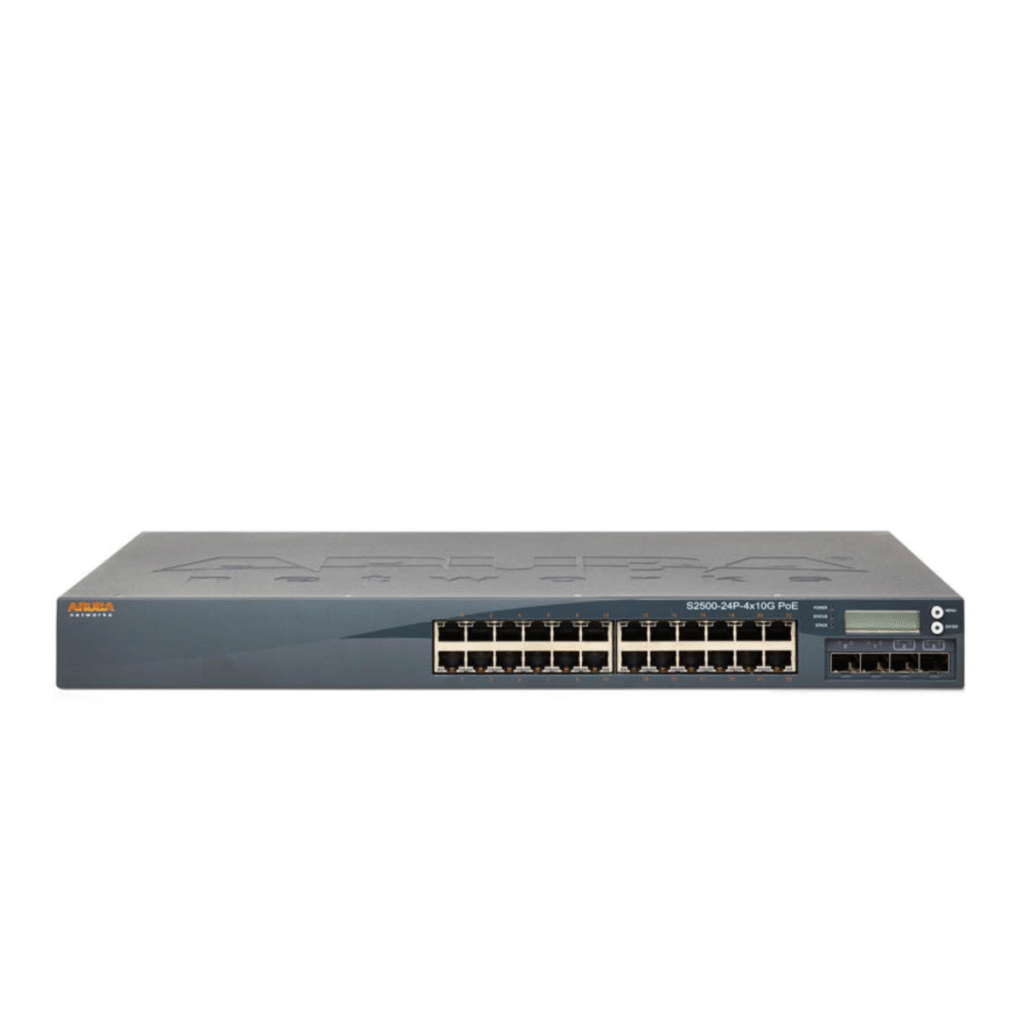
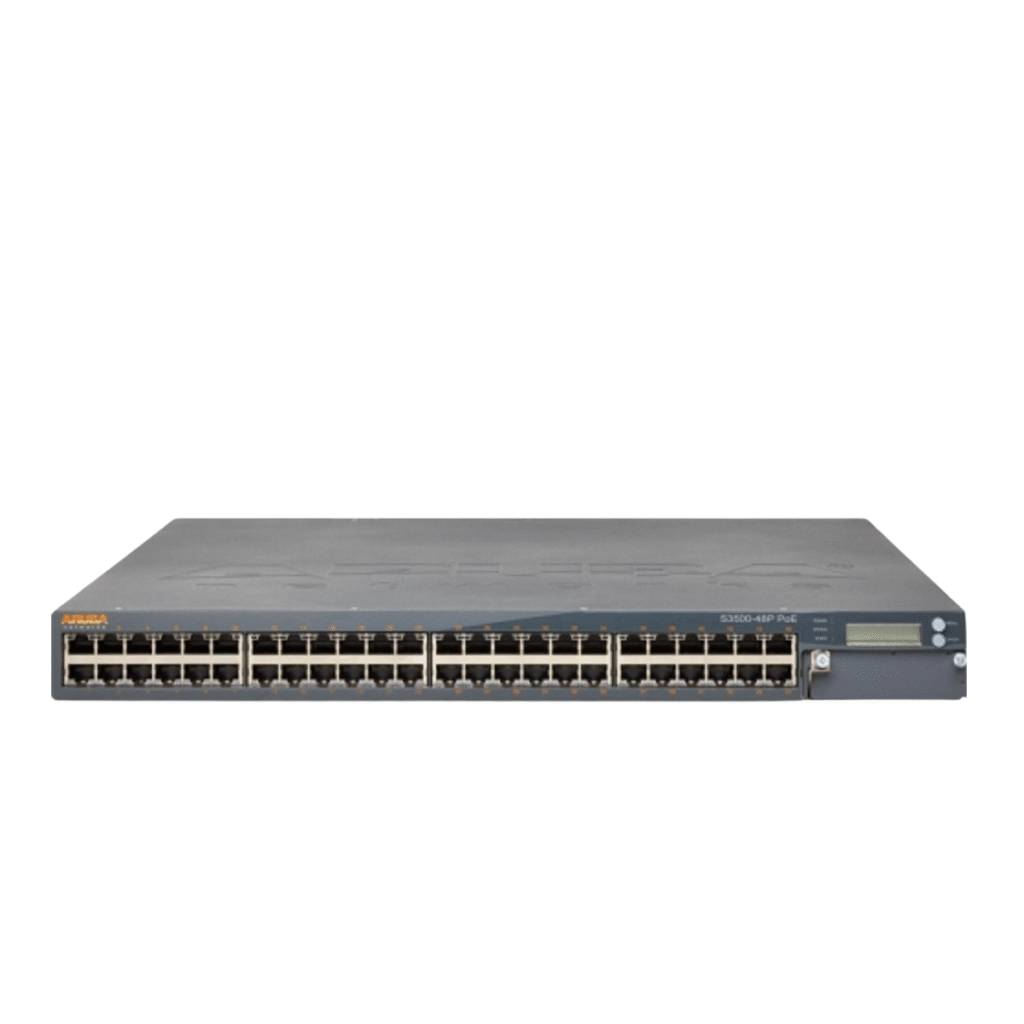
A firewall is a network security device or software application that monitors, filters, and controls incoming and outgoing network traffic based on predefined security rules.
Its primary purpose is to prevent unauthorized access while allowing legitimate communication to pass through the network safely.
Think of a firewall as a security checkpoint at the entrance of a building. Every visitor is inspected before being allowed inside. Similarly, a firewall examines data traffic entering and leaving a network to determine whether it should be permitted or blocked.
Firewalls can be deployed as:
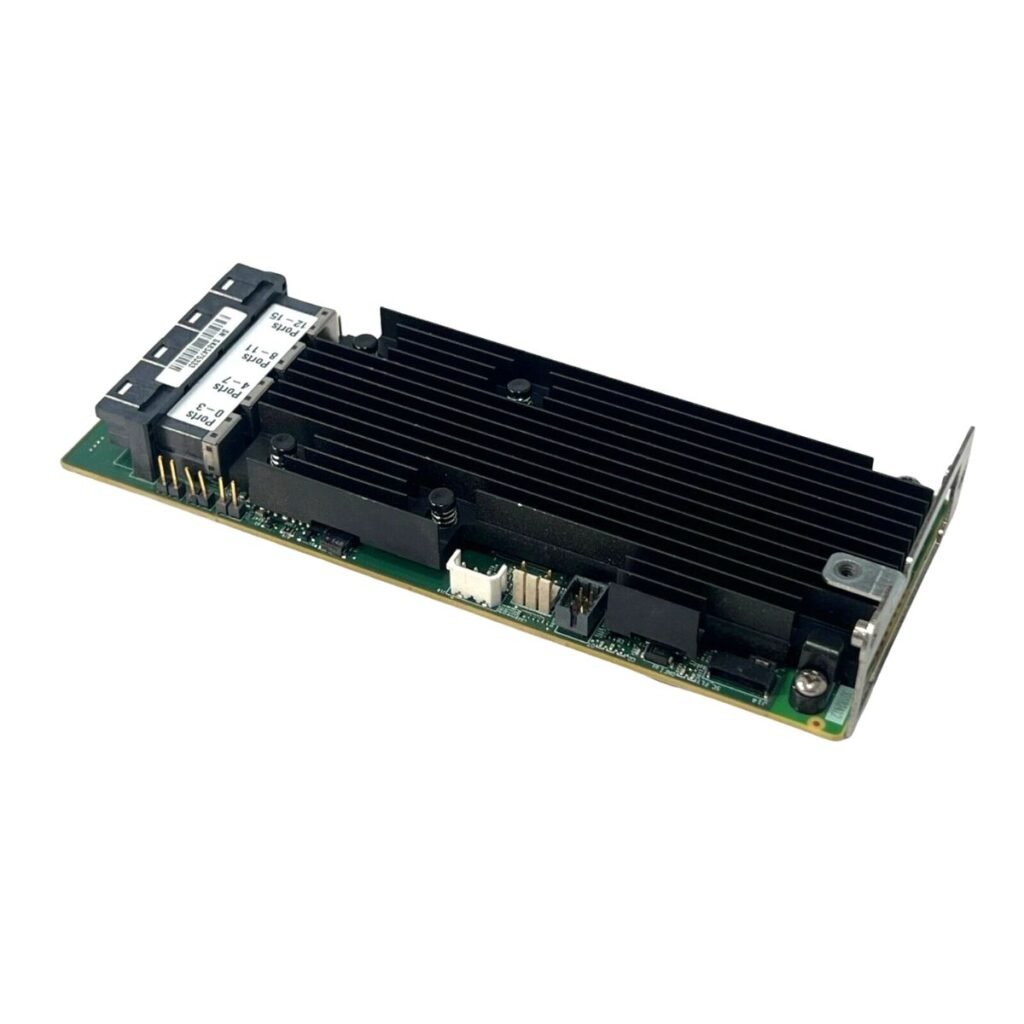
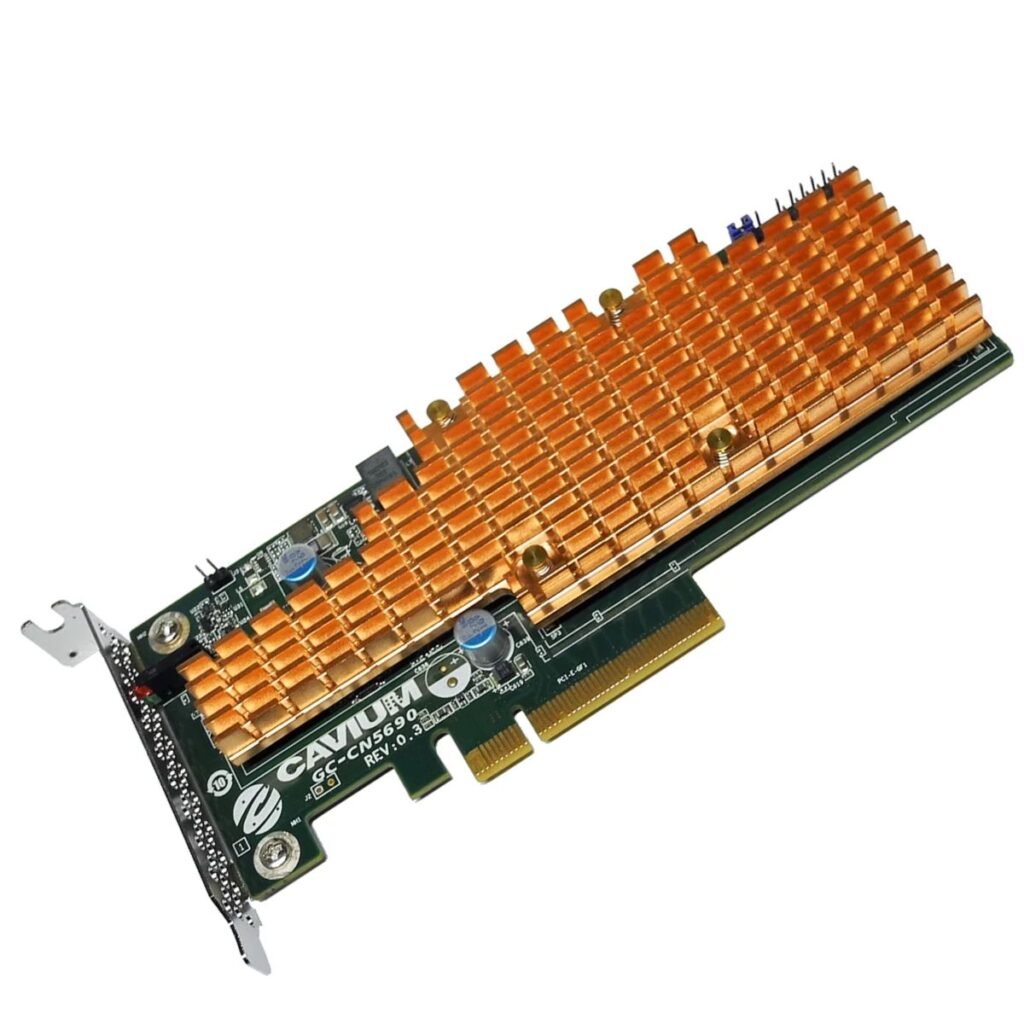
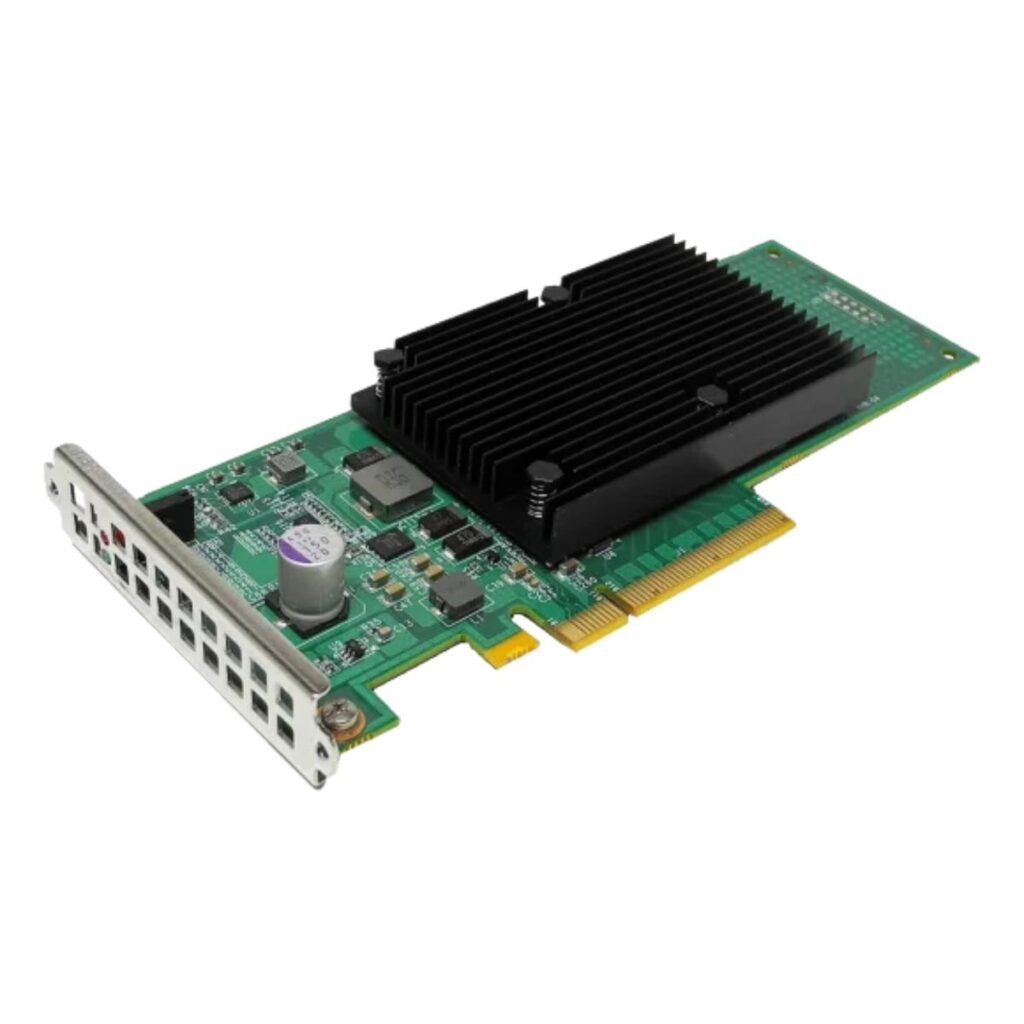
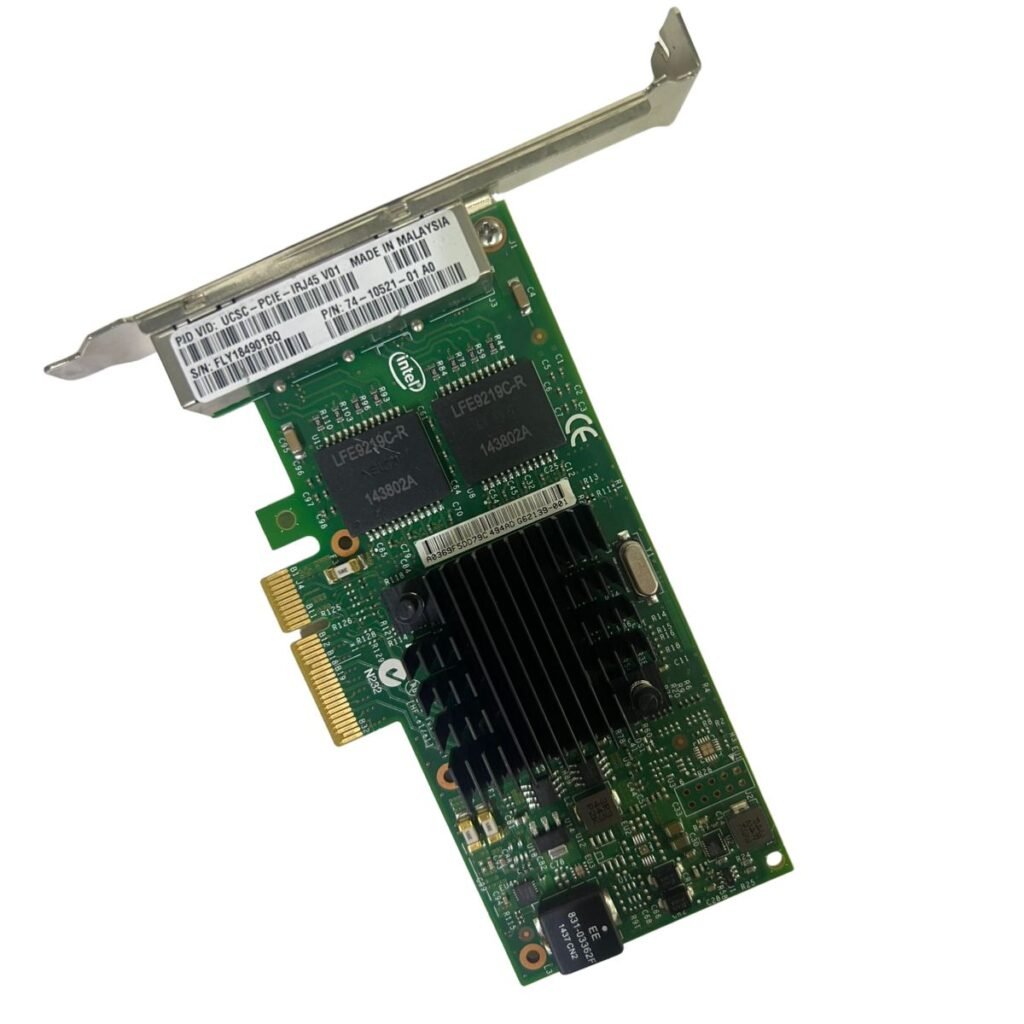
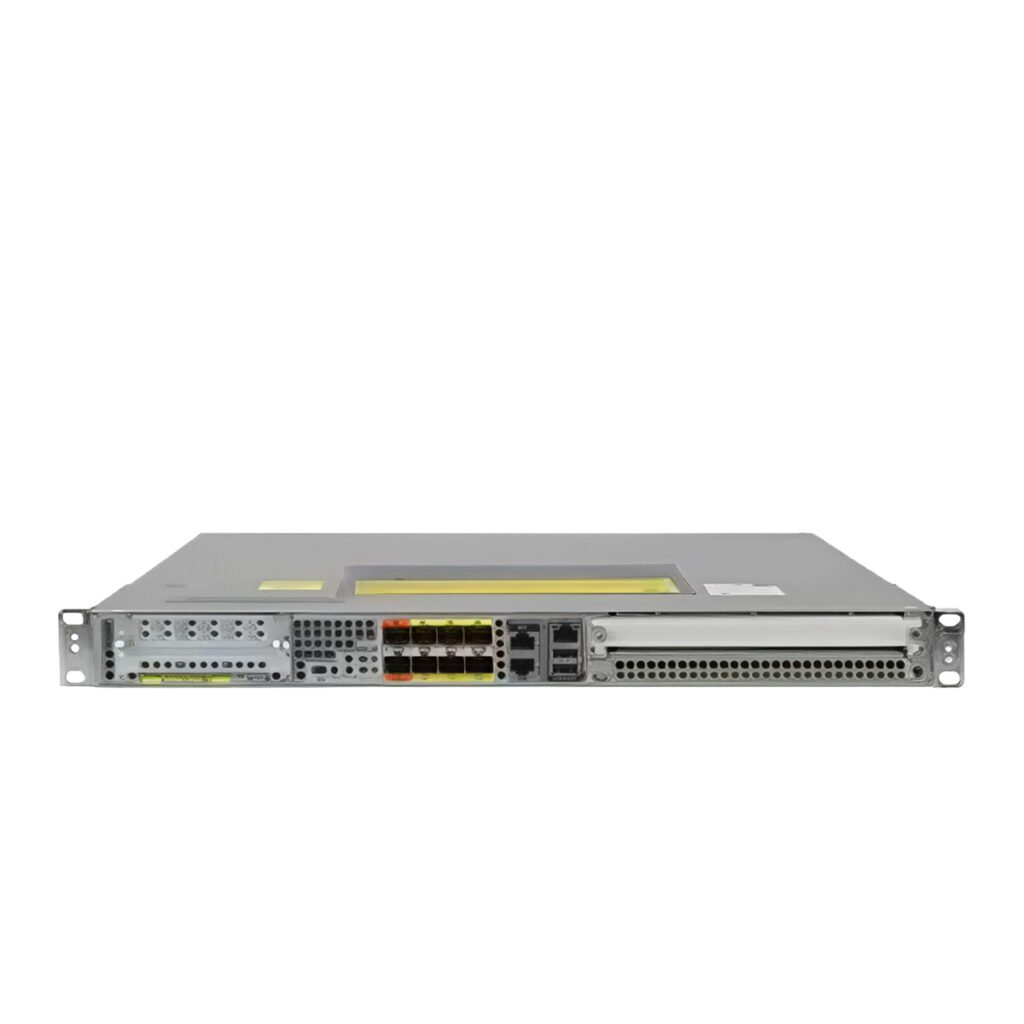
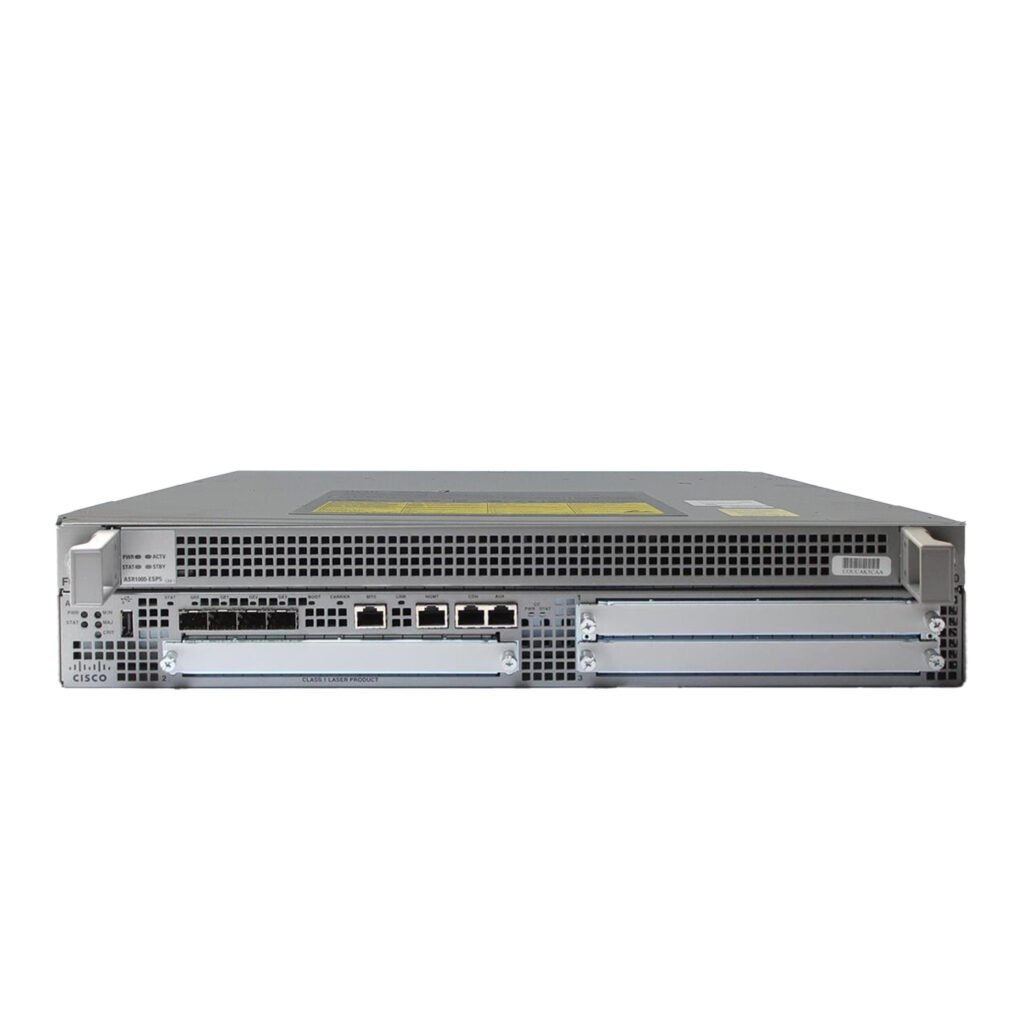
- Hardware appliances
- Software solutions
- Cloud-based security services
- Hybrid security platforms
Regardless of deployment type, their goal remains the same: protecting business network protection
from unauthorized access and cyber threats.
Why Businesses Need Firewalls cybersecurity


Businesses face an increasing number of cybersecurity challenges every day.
Common threats include:
- Malware attacks
- Ransomware infections
- Phishing attempts
- Unauthorized access
- Data breaches
- Distributed Denial-of-Service (DDoS) attacks
- Insider threats
Without a firewall, networks become significantly more vulnerable to these attacks.
Firewalls provide an essential first layer of defense by inspecting traffic before it reaches critical systems and data resources.
1. Blocking Unauthorized Access


One of the primary functions of a firewall is preventing unauthorized users from accessing internal network resources.
Firewalls enforce security policies that determine who can access specific systems, services, and applications.
Benefits include:
- Reduced risk of hacking attempts
- Protection of sensitive information
- Controlled access to business systems
- Improved network security posture
By restricting unauthorized traffic, businesses significantly reduce their attack surface.
2. Protecting Against Malware and Ransomware


Malware and ransomware attacks continue to be among the most damaging cybersecurity threats facing businesses today.
Advanced firewalls help protect organizations by:
- Detecting suspicious traffic
- Blocking malicious downloads
- Preventing communication with infected servers
- Stopping malware from spreading across networks
Modern next-generation firewalls use threat intelligence databases and behavioral analysis to identify emerging threats before they cause damage.
3. Monitoring Network Traffic Cybersecurity


Visibility is critical for maintaining a secure network environment.
Firewalls continuously monitor traffic patterns and provide administrators with valuable insights into network activity.
This monitoring helps businesses:
- Identify unusual behavior
- Detect security incidents
- Track bandwidth usage
- Investigate suspicious activity
- Improve network performance
Real-time visibility enables faster incident response and more effective security management.
4. Preventing Data Breaches


Data breaches can have devastating consequences for organizations.
Firewalls help reduce this risk by controlling access to sensitive resources and blocking unauthorized communications.
Benefits include:
- Protection of customer information
- Compliance with regulations
- Reduced financial risk
- Enhanced business reputation
Strong firewall policies are often a critical component of data protection strategies.
5. Supporting Remote Work Security


Remote and hybrid work environments have introduced new cybersecurity challenges.
Employees frequently access business resources from:
- Home offices
- Mobile devices
- Public networks
- Remote locations
Modern firewalls support secure remote access through:
- VPN integration
- Encrypted connections
- User authentication
- Access control policies
These capabilities help organizations maintain security regardless of employee location.
Types of Firewalls Used in Business Networks


Packet Filtering Firewalls
These firewalls inspect data packets and apply predefined filtering rules.
Stateful Inspection Firewalls
They track active connections and make more intelligent security decisions.
Next-Generation Firewalls (NGFW)
NGFW solutions provide advanced capabilities such as:
- Deep packet inspection
- Intrusion prevention
- Application awareness
- Threat intelligence
Cloud Firewalls cybersecurity
Designed for cloud environments, these solutions secure workloads and applications hosted in the cloud.
Key Benefits of Business Firewalls


Organizations that implement firewalls gain several important advantages:
Enhanced Cybersecurity
Firewalls help block cyber threats before they reach internal systems.
Regulatory Compliance
Many compliance standards require network security controls.
Reduced Downtime
Preventing attacks helps maintain business continuity.
Better Visibility
Monitoring tools provide valuable network insights.
Improved Productivity
Secure networks allow employees to work with confidence.
Choosing the Right Firewall for Your Business


When evaluating cybersecurity firewall solutions, businesses should consider:
- Company size
- Number of users
- Network complexity
- Remote workforce requirements
- Compliance needs
- Budget limitations
- Future scalability
The ideal firewall should provide strong protection while supporting business growth.
Future Trends in Firewall Technology


Firewall technology continues to evolve to address emerging threats.
Key trends include:
Artificial Intelligence
AI-powered firewalls can identify threats faster and automate responses.
Zero Trust Security
Organizations are adopting zero-trust models that verify every user and device.
Cloud-Native Protection
Cloud-based firewalls continue growing in popularity.
Integrated Threat Intelligence
Modern solutions leverage global threat data to improve detection accuracy.
These innovations will continue strengthening network protection for businesses worldwide.
Conclusion
Firewalls remain one of the most important components of modern cybersecurity strategies. By monitoring traffic, blocking unauthorized access, preventing malware infections, and supporting secure remote work, firewalls provide essential protection for business network protection.
As cyber threats continue evolving, organizations must invest in advanced security solutions capable of defending sensitive data and critical systems. Whether deployed as hardware appliances, software platforms, or cloud services, firewalls help businesses maintain security, improve compliance, and reduce operational risk.
Implementing the right firewall solution is not simply an IT decision—it is a business investment that supports long-term resilience, productivity, and growth in an increasingly connected world.