















7 Cost-Effective Thin Client Solutions for SMBs to Reduce IT Costs

Introduction
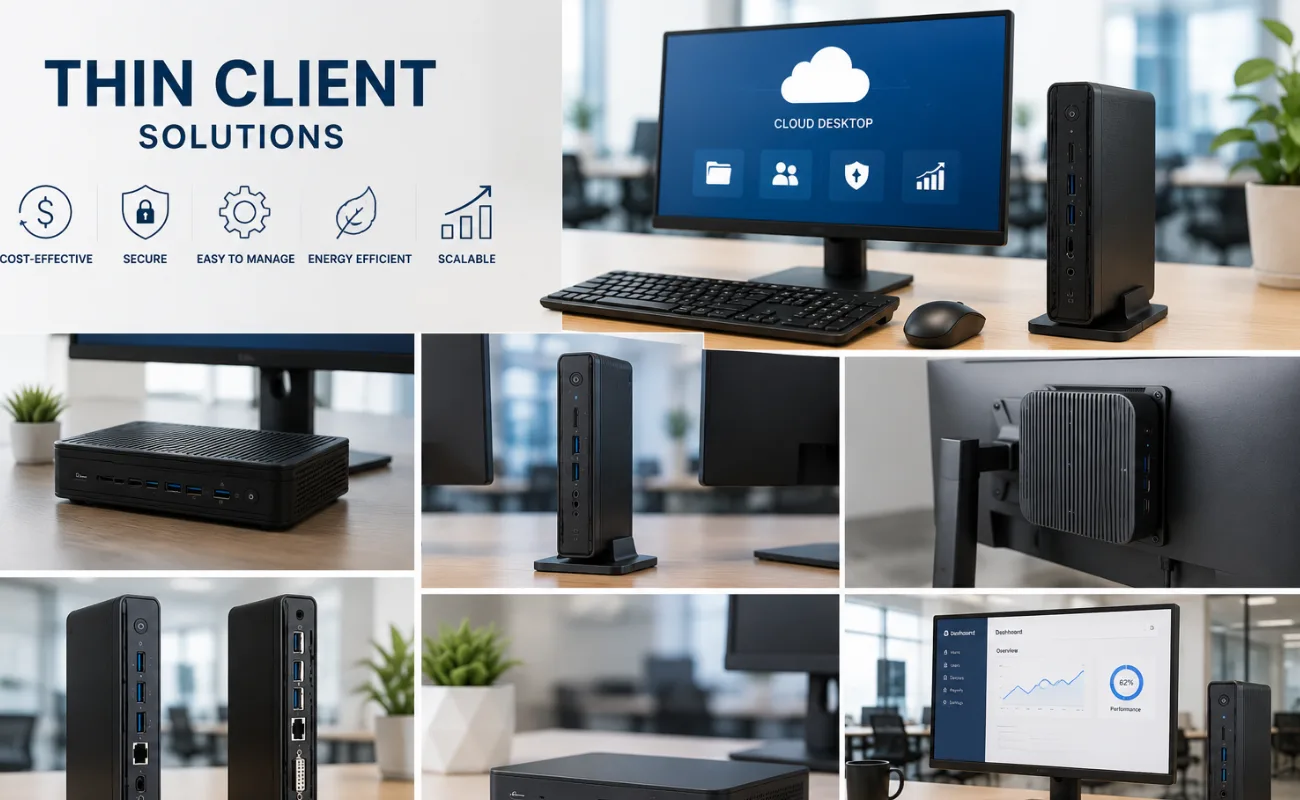
Small and medium-sized businesses continue looking for ways to reduce operational expenses while maintaining strong performance, secure access, and efficient IT management. As organizations adopt cloud applications, hybrid work models, and centralized infrastructure, traditional desktop environments often become expensive and difficult to manage. This is why many businesses are turning to Cost-Effective Thin Client Solutions to simplify operations and improve long-term efficiency.
Thin client environments shift processing workloads away from individual devices and move them toward centralized infrastructure such as servers, virtual desktops, or cloud platforms. Instead of maintaining powerful endpoints across the organization, businesses can operate lighter devices while improving control and reducing maintenance requirements.
For SMBs, adopting the right thin client strategy can lead to lower hardware costs, simplified administration, improved security, and better scalability.
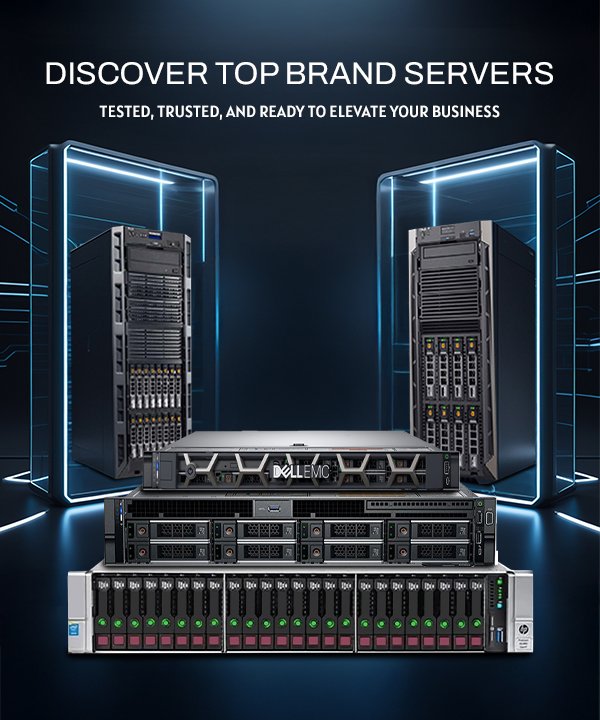
Build smarter business environments with modern endpoint and infrastructure solutions.
Why SMBs Are Adopting Thin Client Environments
Businesses increasingly implement Cost-Effective Thin Client Solutions because modern operations require flexibility, centralized management, and reduced overhead.
Traditional PC environments require continuous upgrades, maintenance, software management, and security monitoring. Thin client infrastructure helps reduce those burdens while supporting productivity and business growth.
Key Business Benefits
- Lower device replacement costs
- Simplified IT administration
- Improved endpoint security
- Reduced power consumption
- Better scalability
Organizations that modernize user environments often improve efficiency while controlling IT spending.
Simplify workplace management with centralized business technologies.
1. Centralized Desktop Infrastructure
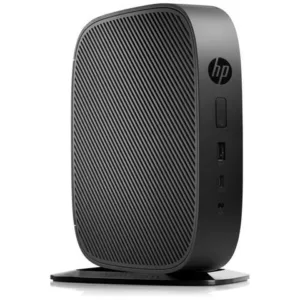
Organizations deploy Cost-Effective Thin Client Solutions using centralized desktop environments that move computing resources into controlled infrastructure.
Centralized environments allow employees to access business applications from lightweight endpoints while maintaining consistent performance and security standards.
Business Advantages
- Simplified updates
- Better user management
- Centralized application delivery
- Reduced endpoint complexity
This approach allows SMBs to scale operations without replacing entire device fleets.
Improve operational efficiency with centralized infrastructure strategies.
2. Cloud-Based Thin Client Environments
Many businesses implement Cost-Effective Thin Client Solutions through cloud platforms to increase flexibility and reduce infrastructure investment.
Cloud-based environments provide employees access to business applications from multiple locations while reducing dependency on local hardware.
Advantages
- Lower infrastructure overhead
- Flexible remote access
- Faster deployment
- Improved business continuity
Cloud-based thin client environments support modern business growth and distributed teams.
Enable flexible work environments through cloud technologies.
3. Shared Workspace Computing
Organizations increasingly use Cost-Effective Thin Client Solutions to create shared workspace environments that maximize hardware utilization.
This strategy works especially well in businesses where employees rotate workstations or access applications only when required.
Ideal Business Scenarios
- Call centers
- Training facilities
- Education environments
- Reception areas
Shared computing reduces unnecessary hardware investment while maintaining user productivity.
Improve resource utilization with smarter endpoint strategies.
4. Virtual Desktop Infrastructure (VDI) Deployment
Many SMBs adopt Cost-Effective Thin Client Solutions through VDI models to improve user experience and simplify administration.
Virtual desktops allow employees to access consistent environments regardless of location or device.
Business Benefits
- Faster onboarding
- Better control
- Centralized security
- Simplified backup processes
VDI environments provide stronger flexibility while reducing endpoint management challenges.
Support scalable growth with virtual desktop infrastructure.
5. Secure Endpoint Strategies
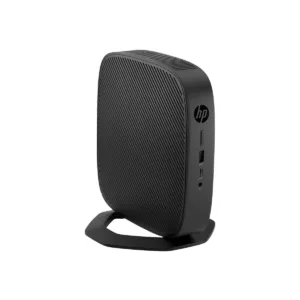
Security remains one of the strongest reasons businesses choose Cost-Effective Thin Client Solutions for daily operations.
Thin clients reduce local data exposure because applications and files remain inside centralized environments rather than individual devices.
Security Advantages
- Reduced attack surface
- Better access control
- Easier compliance
- Centralized monitoring
Organizations seeking stronger security often prioritize centralized endpoint strategies.
Protect business operations with secure access technologies.
6. Energy-Efficient Computing Environments
Businesses aiming to reduce operating expenses deploy Cost-Effective Thin Client Solutions to lower energy consumption and improve sustainability.
Thin client devices generally consume less power than traditional desktop environments while reducing cooling requirements.
Efficiency Benefits
- Lower electricity costs
- Reduced hardware replacement cycles
- Better sustainability initiatives
Energy-efficient infrastructure contributes to long-term business savings.
Improve efficiency with modern workplace infrastructure.
7. Scalable Thin Client Expansion Strategies
Growing businesses choose Cost-Effective Thin Client Solutions because expansion becomes easier and more predictable.
Instead of replacing entire environments, organizations can expand infrastructure gradually while maintaining centralized control.
Long-Term Advantages
- Flexible growth
- Lower deployment complexity
- Reduced administrative overhead
- Improved infrastructure planning
Scalable environments allow SMBs to adapt to changing business requirements more efficiently.
Build future-ready business environments with scalable technologies.
How to Choose the Right Thin Client Strategy
Selecting the best Cost-Effective Thin Client Solutions depends on business requirements and growth goals.
Consider These Factors
- Number of employees
- Application requirements
- Security expectations
- Remote work policies
- Expansion plans
Organizations aligning technology decisions with business objectives often achieve stronger ROI.
Design smarter workplaces with modern endpoint infrastructure.
Common Thin Client Mistakes Businesses Should Avoid
Businesses adopting Cost-Effective Thin Client Solutions should avoid several common mistakes:
- Underestimating bandwidth requirements
- Ignoring future scalability
- Poor user planning
- Weak infrastructure design
- Inadequate security controls
Proper planning helps maximize long-term benefits and operational performance.
Improve implementation success with strategic infrastructure planning.
Future Trends in Thin Client Technology
The future of Cost-Effective Thin Client Solutions continues evolving through:
- Cloud-first environments
- AI-powered administration
- Zero-trust security
- Hybrid work support
- Smarter endpoint management
Organizations investing early in these technologies can improve flexibility and maintain stronger operational control.
Stay prepared for future workplace transformation.
Conclusion
Adopting Cost-Effective Thin Client Solutions helps SMBs reduce costs, simplify management, improve security, and support scalable business growth.
From centralized desktops and cloud workspaces to virtual infrastructure and secure endpoint strategies, thin client environments provide practical advantages for modern organizations.
Smart Vision UAE supports businesses with infrastructure solutions designed to improve operational efficiency and prepare organizations for future growth.
🚀 Modernize your workplace with scalable thin client strategies and build a more efficient business environment today.
Looking to improve business infrastructure beyond endpoint management? Read 8 Advanced Switch Devices for Reliable Connectivity to discover how reliable networking supports modern workplace performance.