














Why Buying Used IT Equipment Can Save You 40% or More?

In a world where technology evolves rapidly, businesses are under constant pressure to upgrade their IT infrastructure. New servers, storage systems, networking devices, and workstations promise better performance—but they also come with high costs.
What many businesses don’t realize is that buying used IT equipment can deliver the same performance and reliability—at a fraction of the cost.
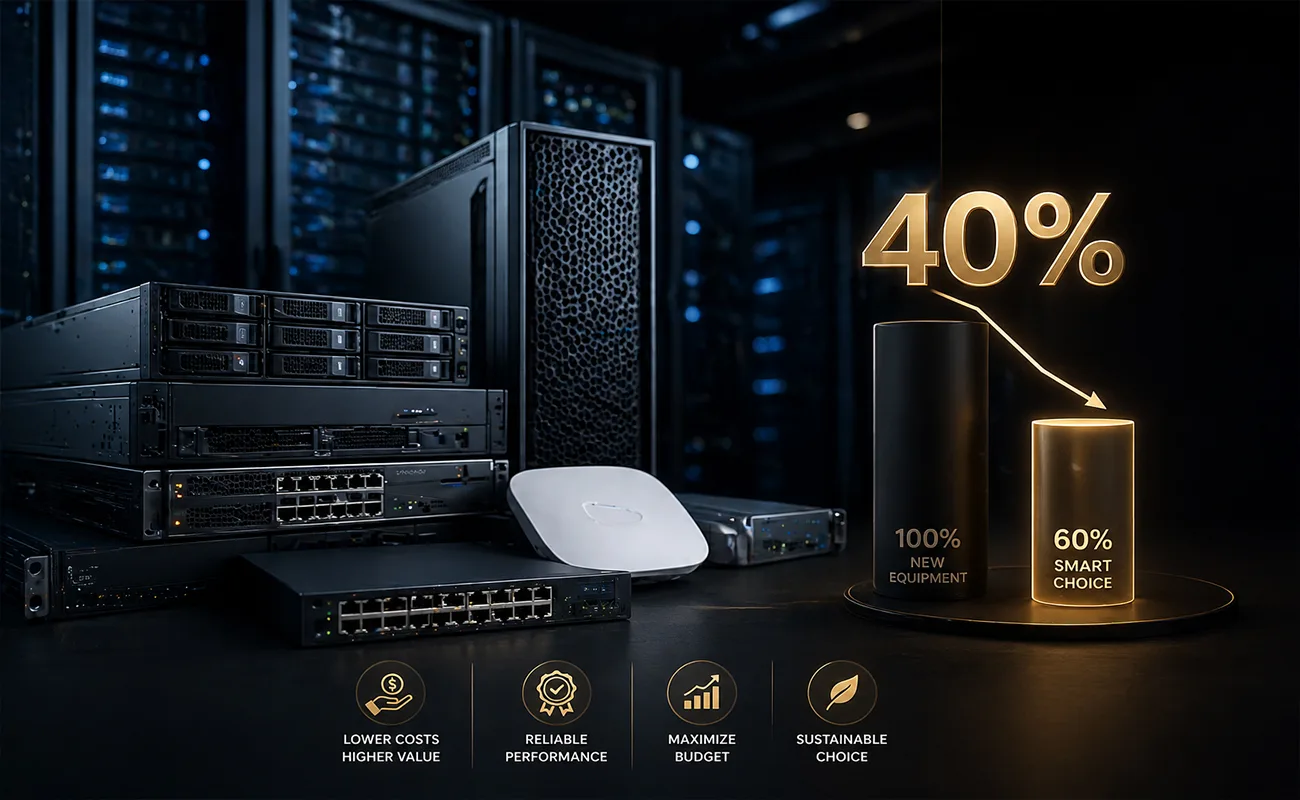
In fact, companies can save up to 40% or more by choosing pre-owned enterprise hardware—without sacrificing quality.
In this comprehensive guide, we’ll explore why used IT equipment is a smart investment, how it works, what to look for, and how it can transform your business operations.
What Is Used IT Equipment?
Used IT equipment refers to enterprise-grade hardware that has been previously owned but professionally tested, repaired (if needed), and restored to full working condition.
This includes:
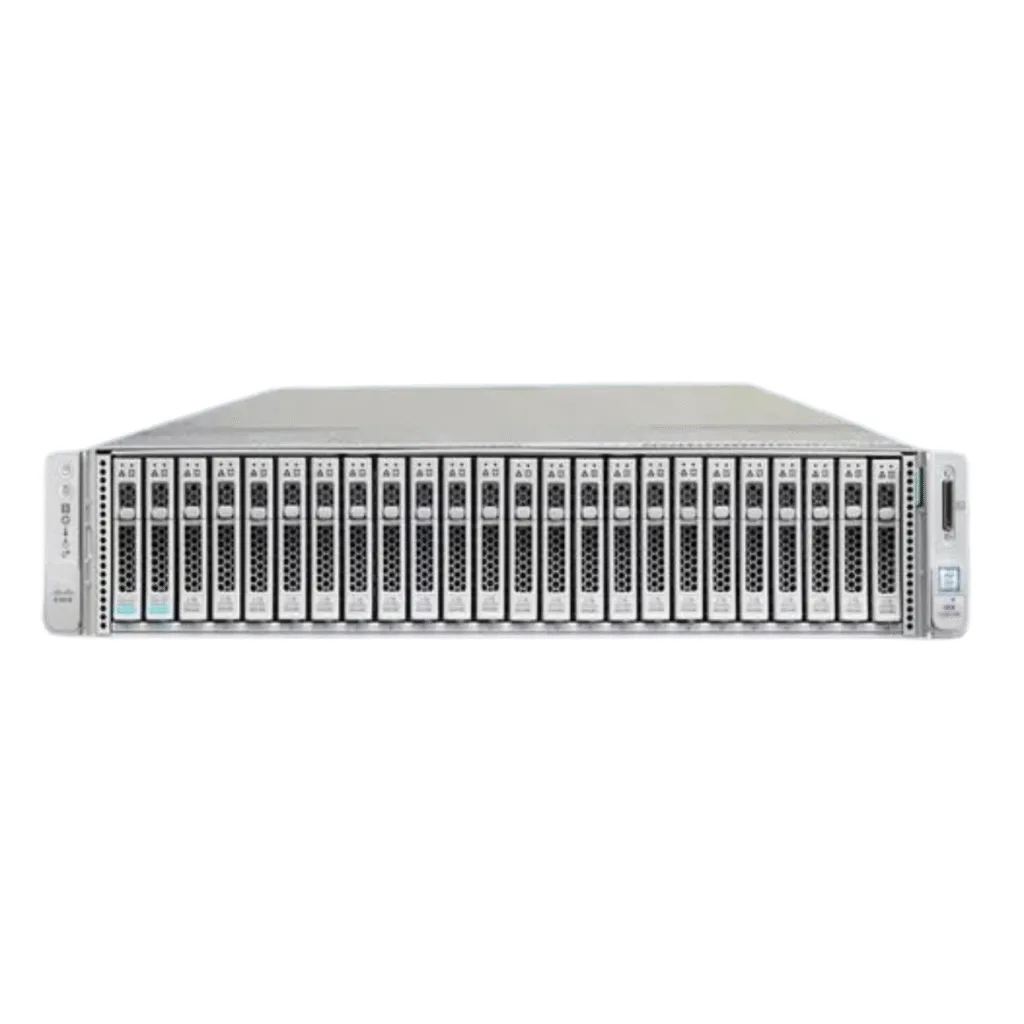
- Servers
- Storage systems
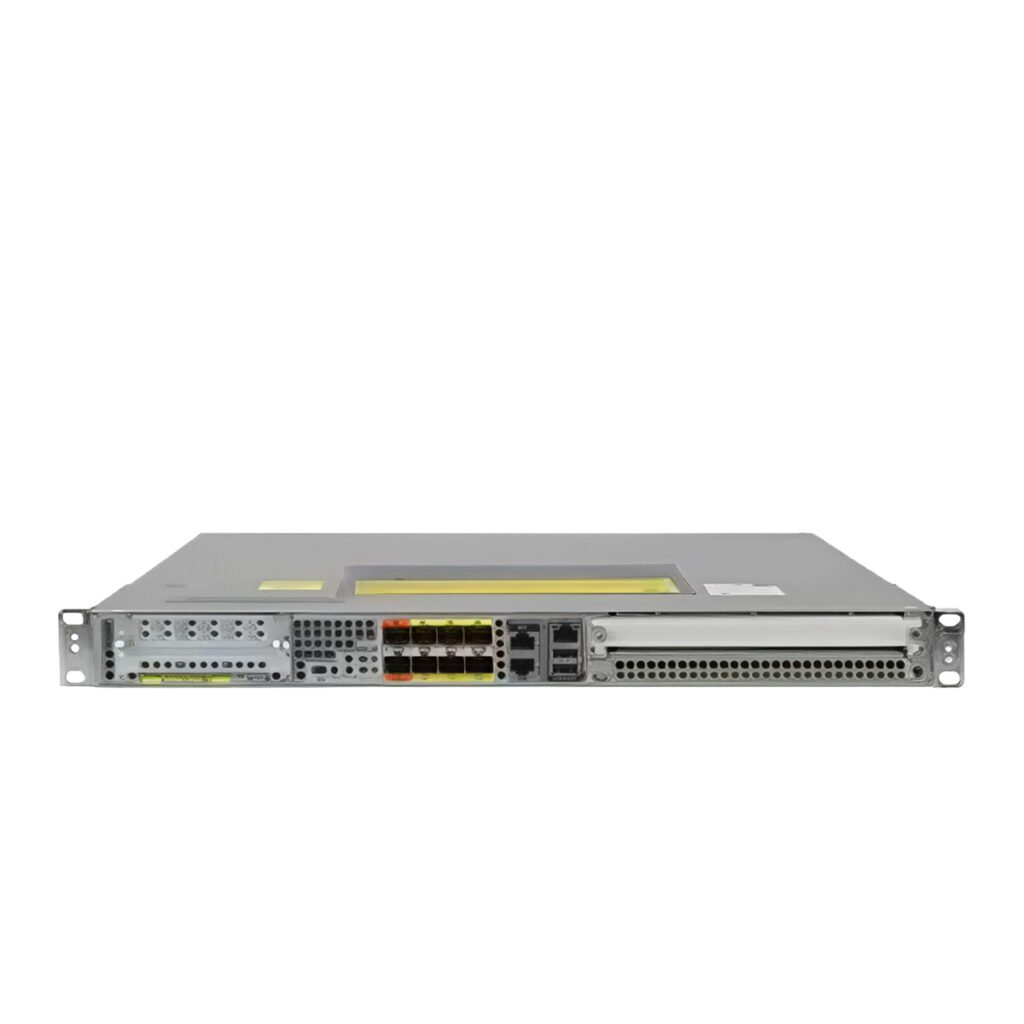
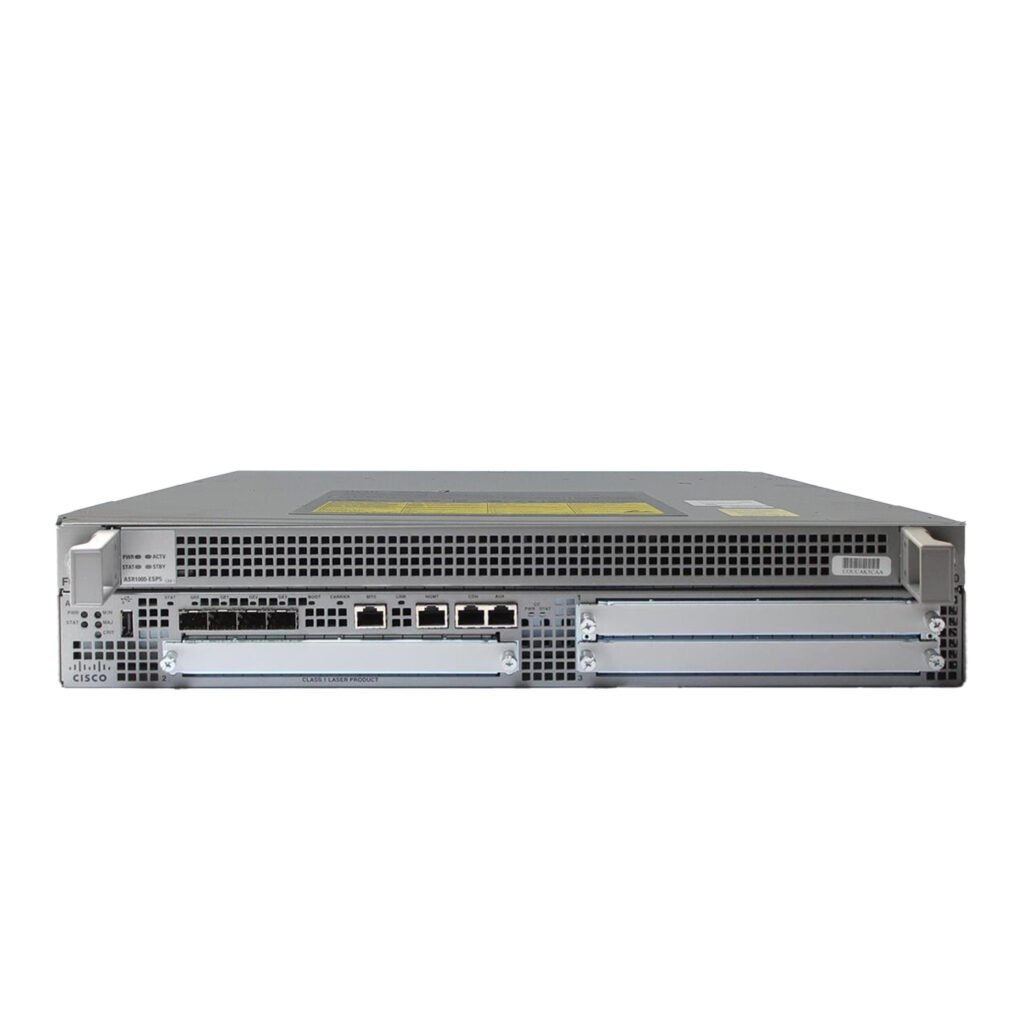
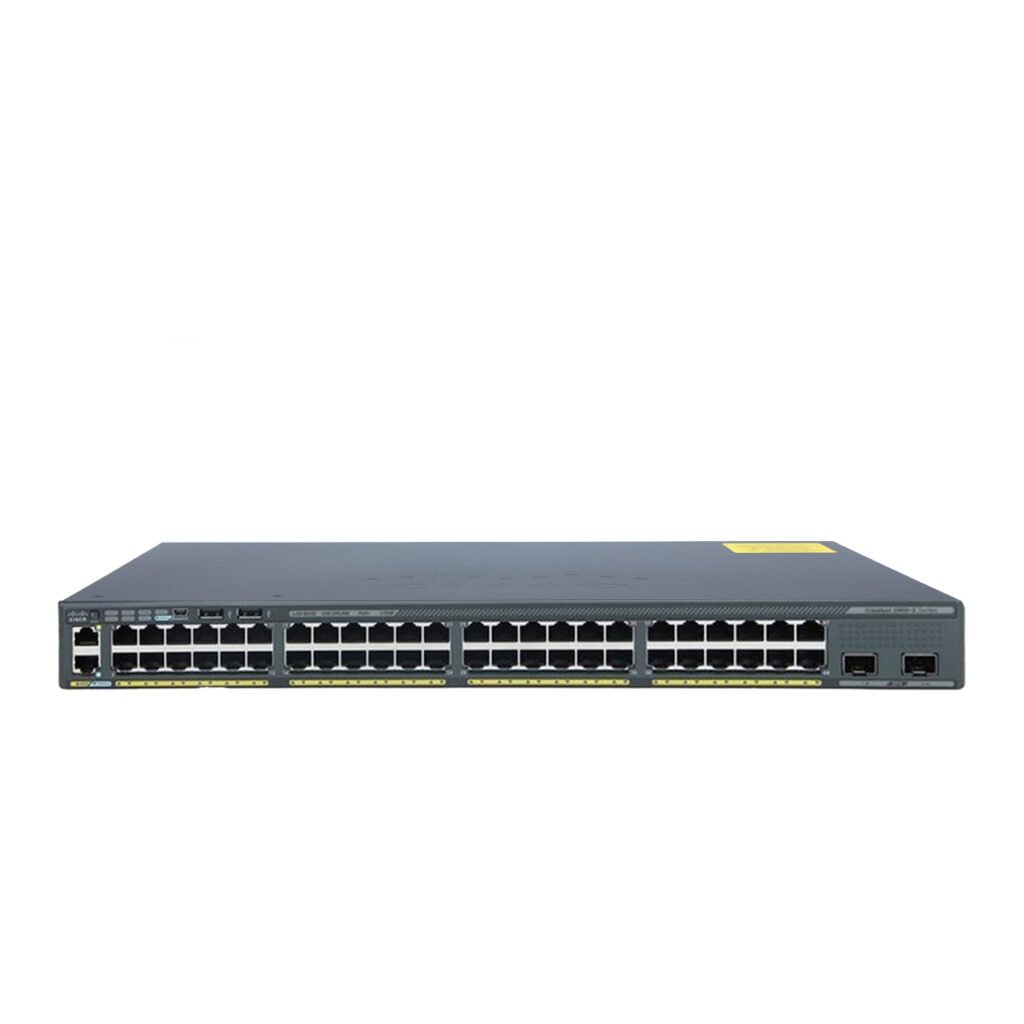
- Networking devices
- Workstations
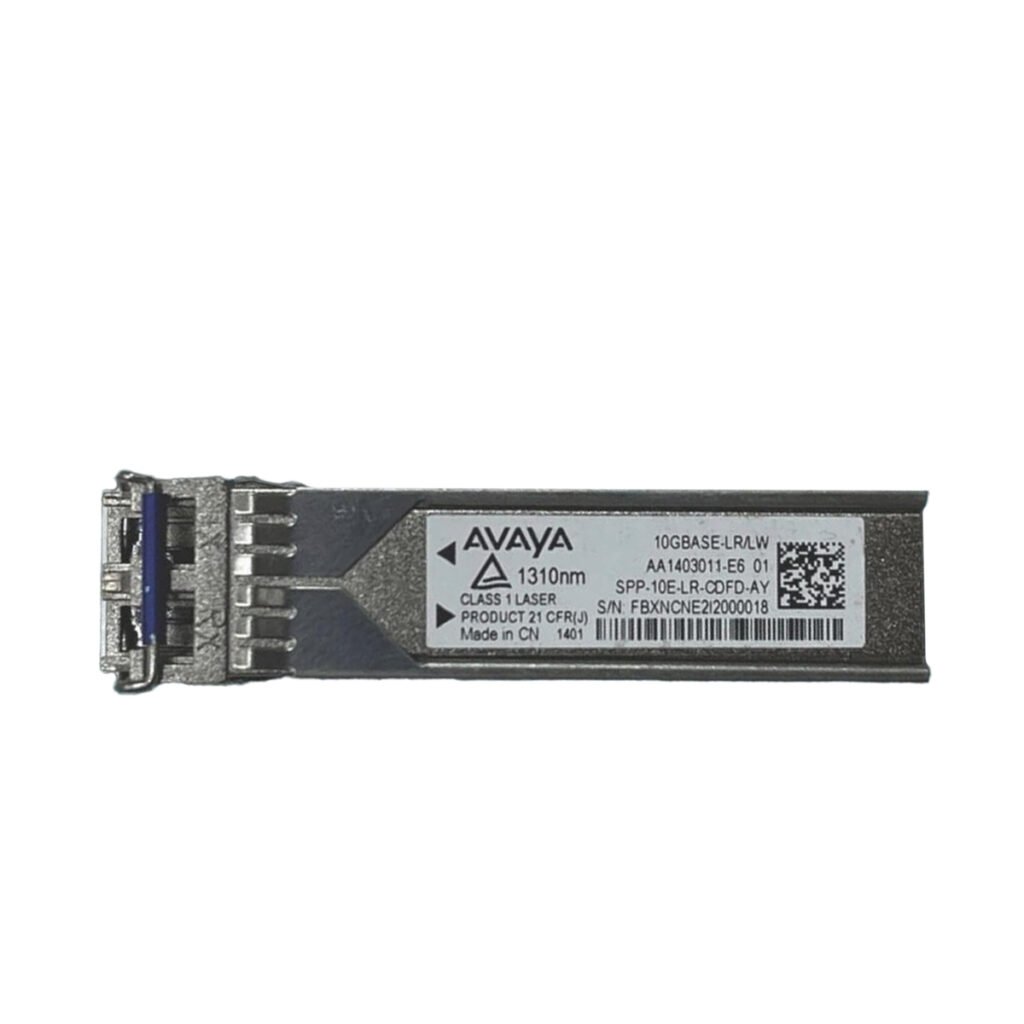
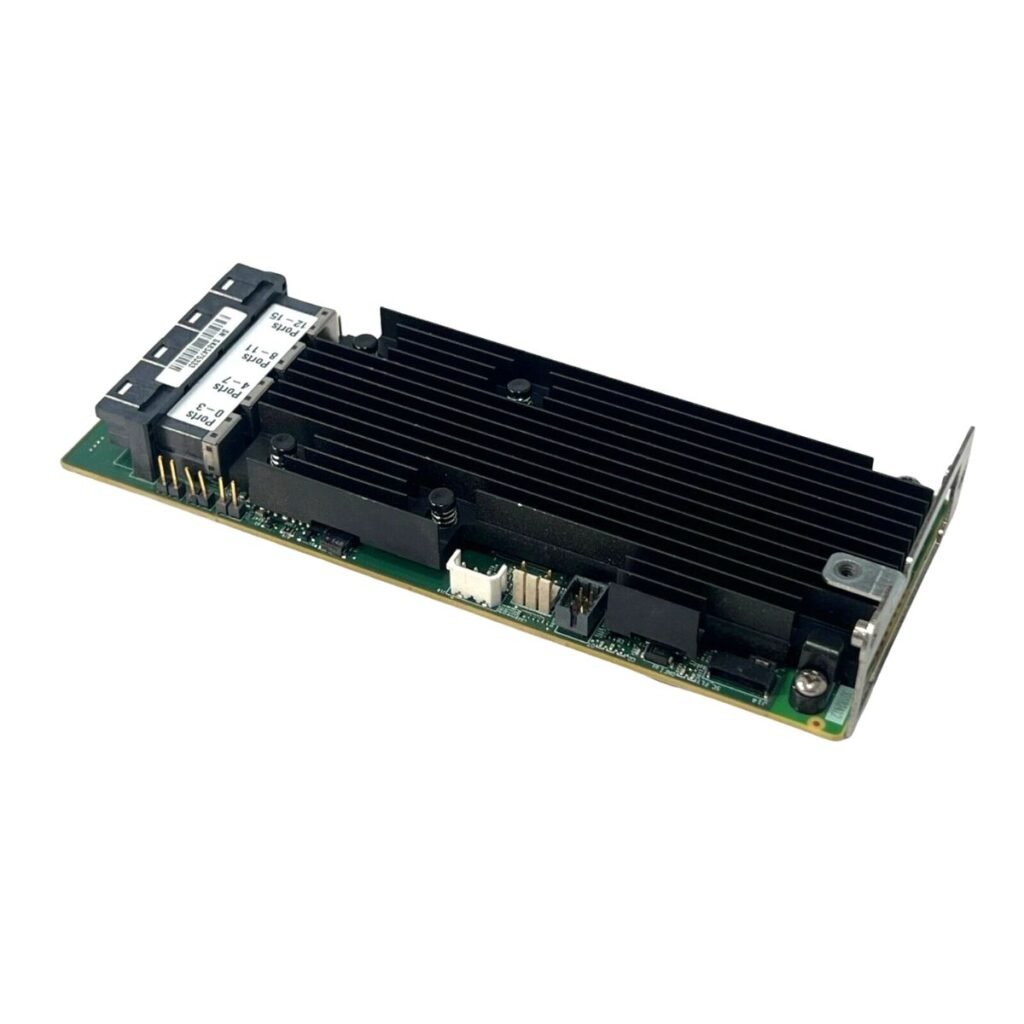
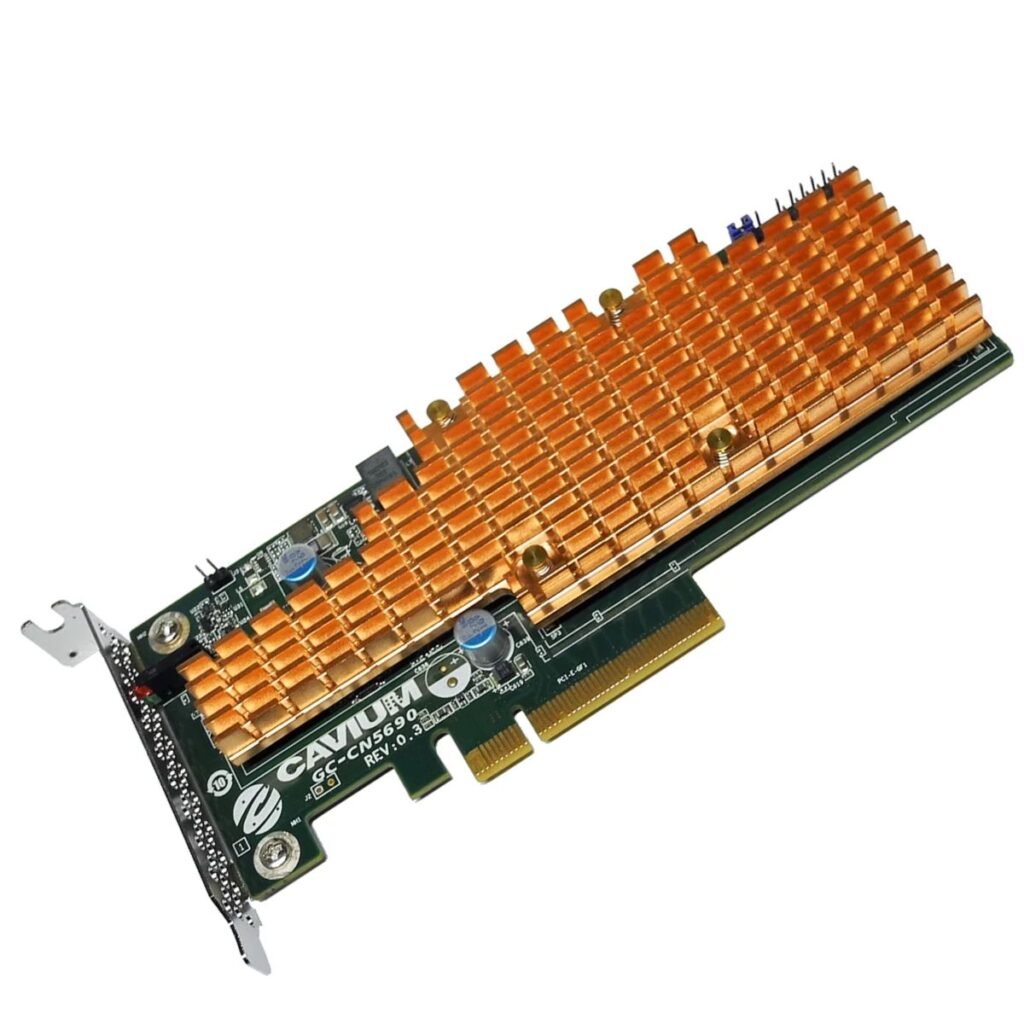
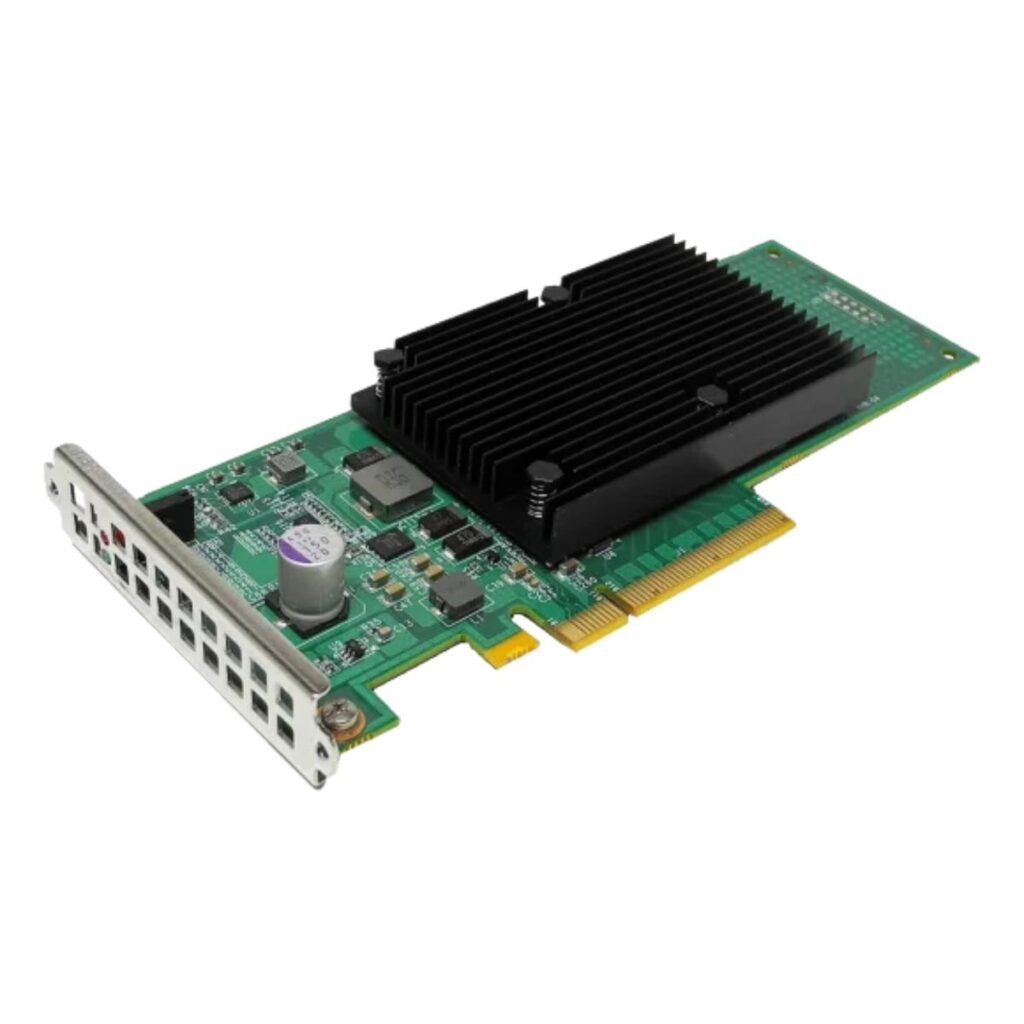
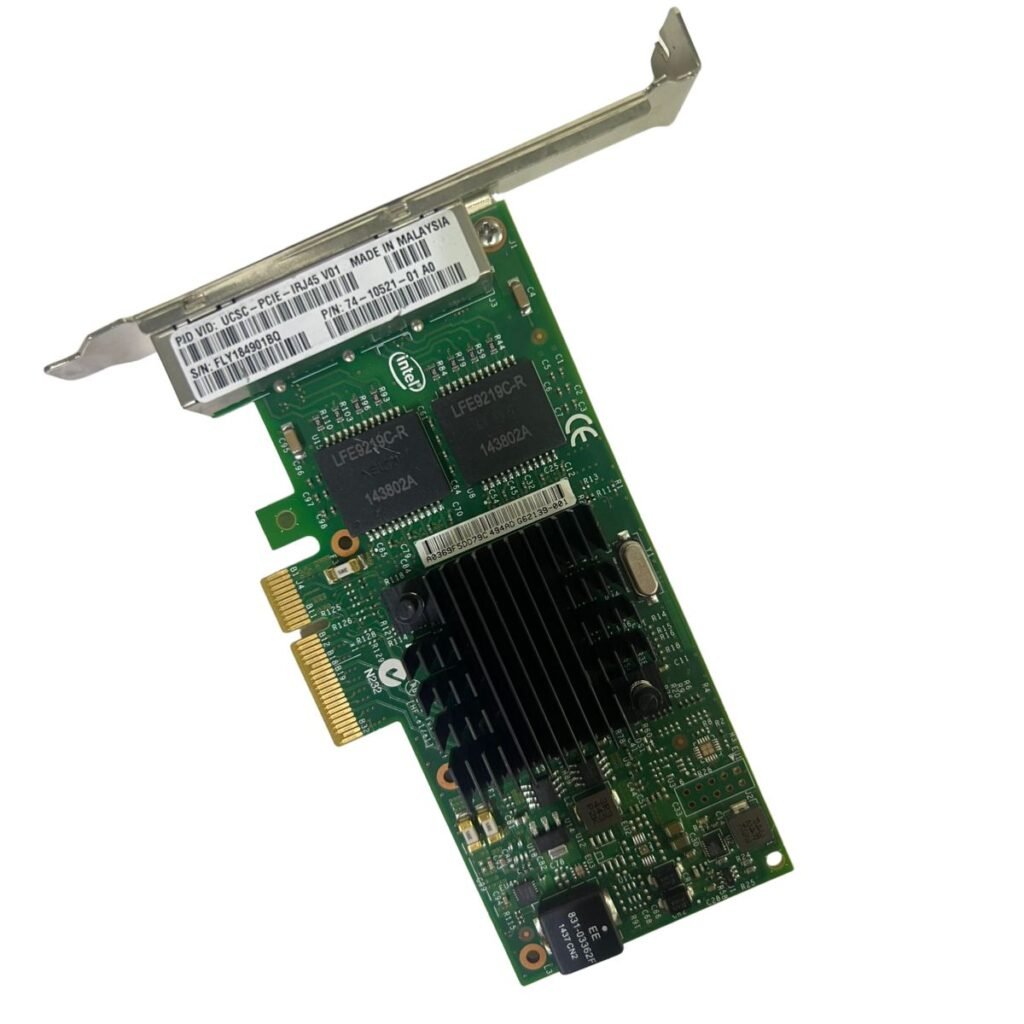
- Accessories
Unlike consumer second-hand products, used enterprise hardware is:
- Thoroughly inspected
- Performance-tested
- Cleaned and restored
- Often backed by warranty
The Real Cost of New IT Equipment
Buying brand-new enterprise hardware can be expensive, especially for small and medium businesses.
Key Cost Factors:
- High upfront investment
- Licensing and support fees
- Rapid depreciation
- Frequent upgrade cycles
For example, a brand-new enterprise server can cost significantly more than a used one with nearly identical specifications.
How Used IT Equipment Saves You 40% or More
1. Lower Purchase Price
The most obvious benefit is cost savings.
Used enterprise hardware can be:
- 30% to 70% cheaper than new
- Available at bulk discounts
- More flexible for budget planning
This allows businesses to allocate resources to other critical areas.
2. Slower Depreciation
New IT equipment loses value quickly—often within the first year.
Used equipment:
- Already depreciated
- Holds value longer
- Offers better ROI
3. Access to Enterprise-Grade Hardware
Instead of buying low-end new devices, businesses can afford high-end enterprise systems at a lower price.
This means:
- Better performance
- Higher reliability
- Advanced features
4. Reduced Upgrade Costs
With lower initial investment, upgrading becomes easier and more affordable.
Types of Used IT Equipment Worth Buying
1. Servers


Servers are one of the best investments in the used market.
Why Buy Used Servers?
- High durability
- Long lifecycle
- Easy upgrades
2. Storage Systems


Storage solutions remain reliable even after years of use.
Benefits:
- Lower cost per TB
- Scalable storage
- Ideal for backups
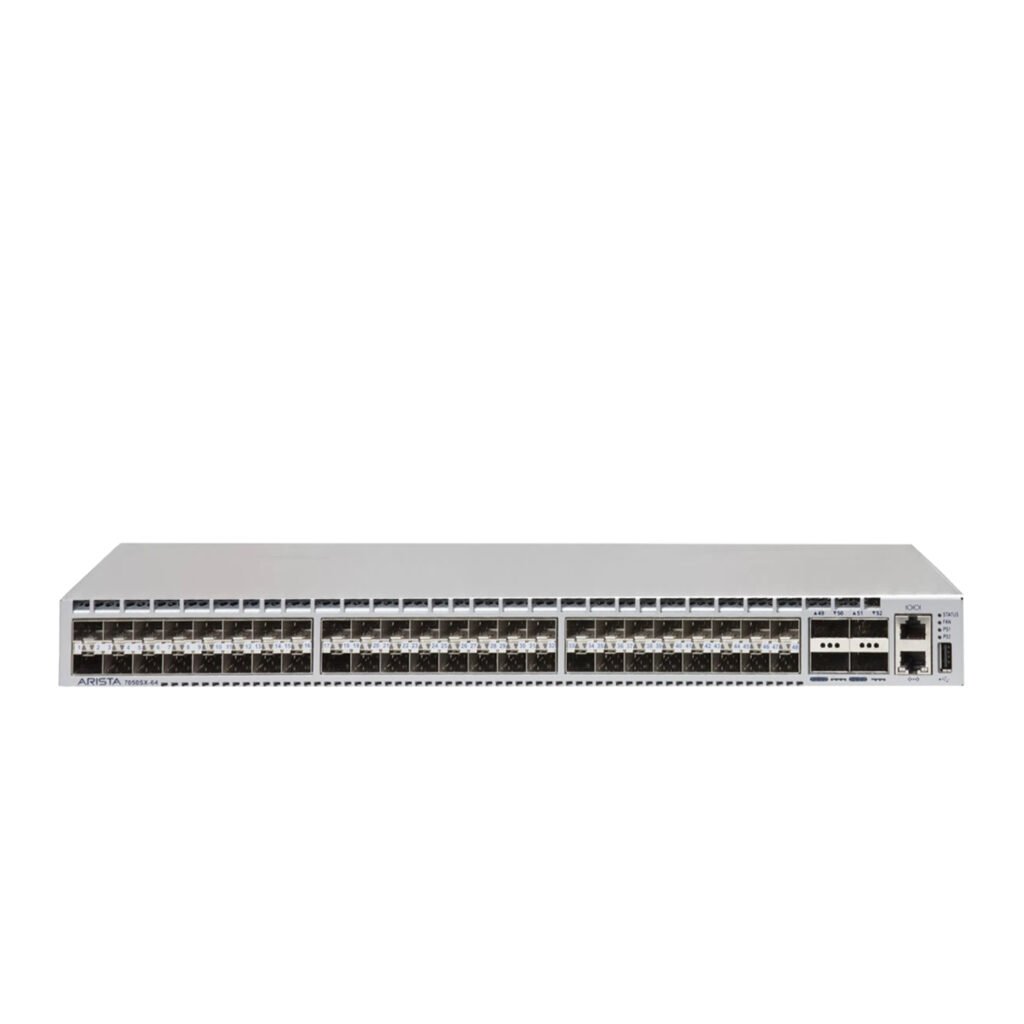
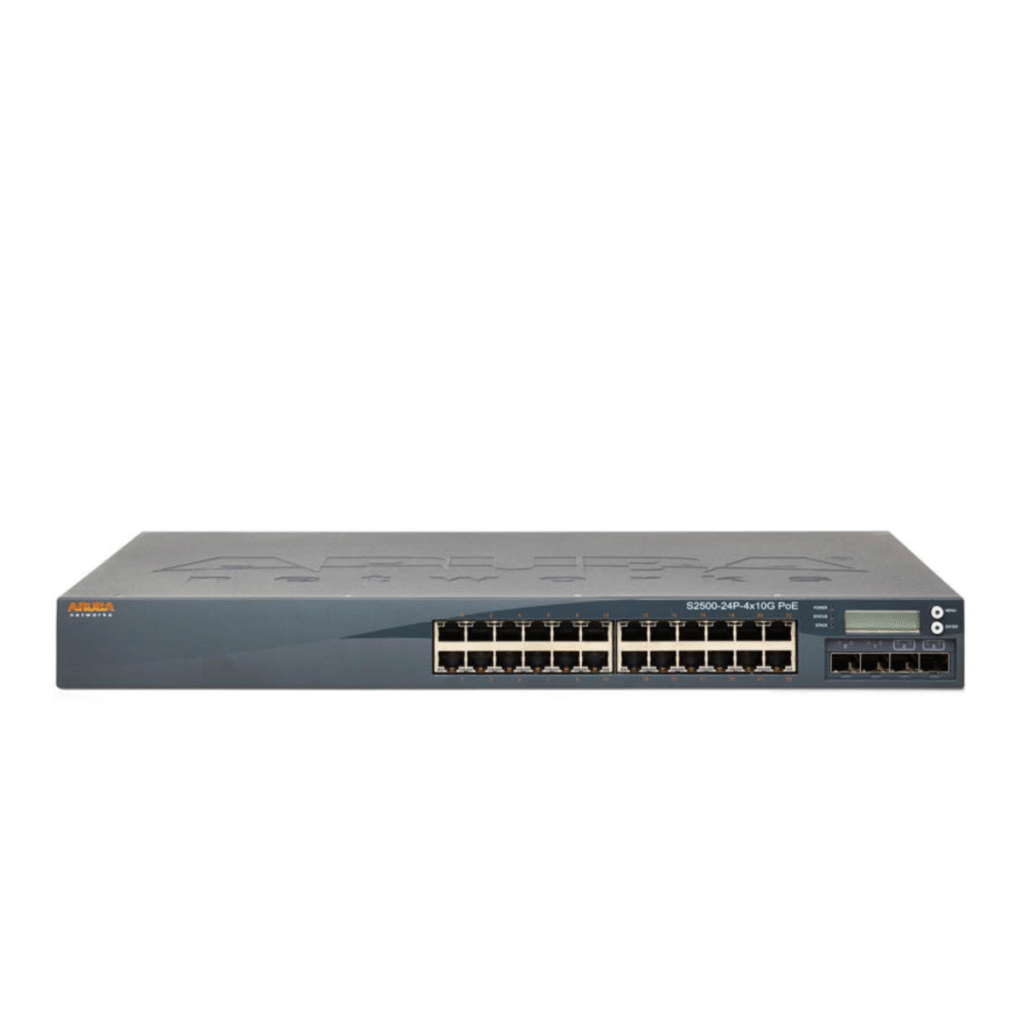
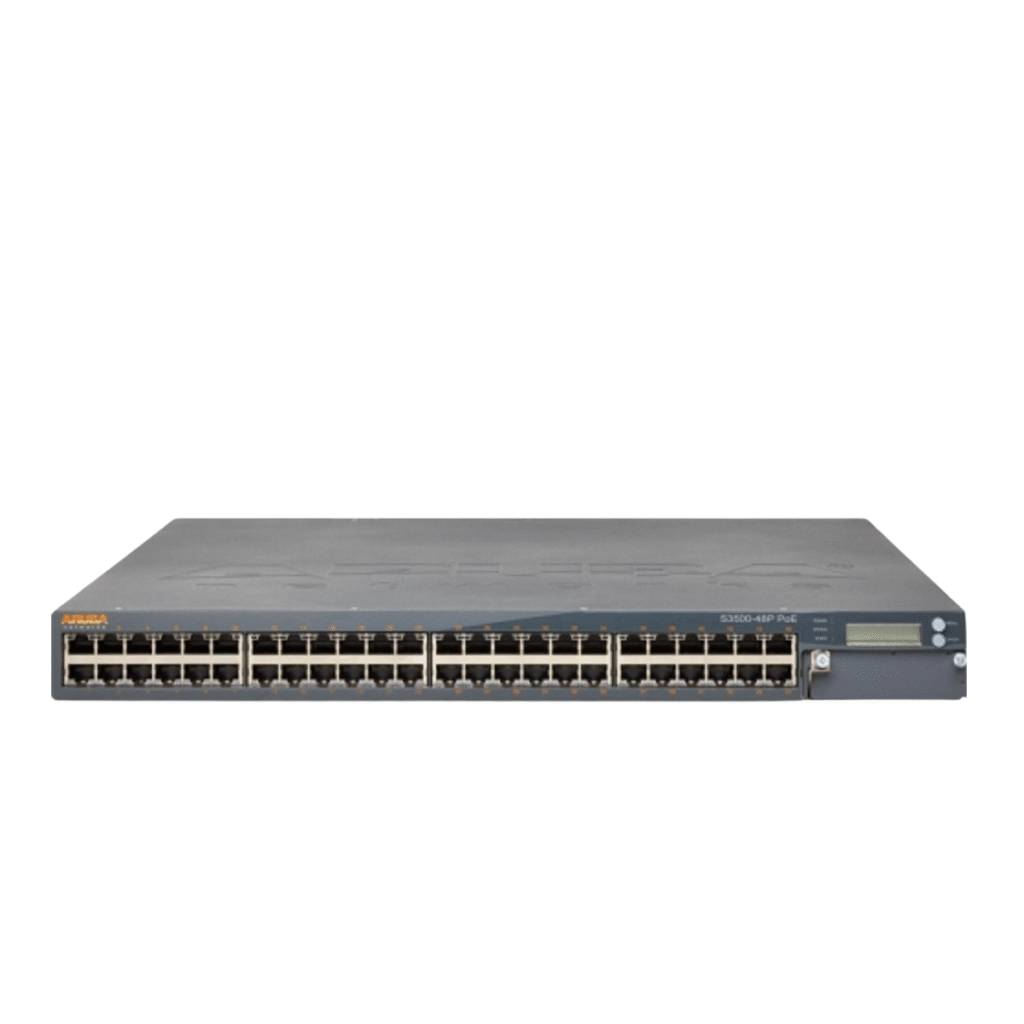
3. Networking Equipment


Switches and routers are built for long-term use.
Why It Works:
- Proven reliability
- Stable performance
- Lower investment cost
4. Workstations


Perfect for professionals who need power without high costs.
Key Advantages of Buying Used IT Equipment
✔ Cost Efficiency
Maximize your budget without compromising quality.
✔ Sustainability
Buying used reduces:
- Electronic waste
- Environmental impact
✔ Immediate Availability
Unlike new hardware:
- No long lead times
- Faster deployment
✔ Proven Performance
Used equipment has already been tested in real-world environments.
Common Myths About Used IT Equipment
❌ Myth 1: Used Means Unreliable
Reality: Used hardware is tested and verified.
❌ Myth 2: No Warranty
Reality: Many suppliers offer warranties.
❌ Myth 3: Outdated Technology
Reality: Many systems are still powerful and relevant.
❌ Myth 4: Poor Performance
Reality: Enterprise hardware is built to last for years.
What to Check Before Buying Used Equipment
1. Supplier Reputation
Choose trusted providers like
Smart Vision and Sas points
2. Warranty & Support
Always confirm:
- Warranty period
- Technical support
3. Hardware Condition
Ensure the equipment is:
- Tested
- Cleaned
- Fully functional
4. Compatibility
Make sure it fits your:
- Existing infrastructure
- Software requirements
When Should You Buy New Instead?
Used equipment is great—but not always the best choice.
Consider buying new if:
- You need the latest technology
- You require manufacturer support
- Compliance demands new hardware
Best Use Cases for Used IT Equipment
🔹 Startups
🔹 SMBs
🔹 Testing Environments
🔹 Backup Systems
How Used IT Equipment Supports Business Growth
1. Faster Expansion
With lower costs, businesses can scale faster.
2. Better Resource Allocation
Save money and invest in:
- Marketing
- Hiring
- Development
3. Improved ROI
Higher return on investment compared to new hardware.
Environmental Benefits of Buying Used IT Equipment
Sustainability is becoming a priority for businesses.
Buying used helps:
- Reduce e-waste
- Extend product lifecycle
- Lower carbon footprint
Tips for Maximizing Value
✔ Buy from Certified Vendors
✔ Test Before Deployment
✔ Upgrade Components (RAM, SSD)
✔ Monitor Performance Regularly
Future of Used IT Equipment
The demand for used IT hardware is growing.
Trends:
- Increased adoption by SMBs
- Better refurbishment processes
- Higher quality standards
How to Build a High-Performance IT Infrastructure on a Budget
Building a powerful IT environment doesn’t always require massive investment. With the right strategy, businesses can achieve enterprise-level performance while maintaining cost efficiency.
The key lies in:
- Smart hardware selection
- Strategic planning
- Optimizing resources
By focusing on performance-to-cost ratio, companies can maximize efficiency without overspending.
Cost Optimization Without Compromising Quality
One of the biggest challenges for businesses is balancing cost with performance.
However, modern IT strategies allow you to:
- Access high-performance hardware at competitive prices
- Reduce capital expenditure (CAPEX)
- Improve operational efficiency
Instead of focusing only on “new vs old,” the smarter approach is:
👉 Value vs performance
Performance That Meets Business Demands
Enterprise hardware is designed for demanding workloads, including:
- Virtualization
- Data processing
- Cloud applications
- Database management
Even without investing in the latest models, businesses can still achieve:
- Fast processing speeds
- Reliable uptime
- Strong multitasking capabilities
Smart IT Investment Strategy
To get the best results, businesses should follow a strategic approach:
1. Prioritize Critical Systems
Focus your budget on:
These are the backbone of your infrastructure.
2. Upgrade Instead of Replace
Instead of replacing entire systems:
- Upgrade RAM
- Switch to SSD storage
- Improve network components
This significantly boosts performance at a lower cost.
3. Standardize Your Infrastructure
Using consistent hardware models helps:
- Simplify maintenance
- Reduce compatibility issues
- Improve efficiency
Extending Hardware Lifecycle
IT equipment is built to last—especially enterprise-grade devices.
With proper maintenance, businesses can:
- Extend lifecycle by several years
- Maintain high performance
- Reduce replacement frequency
Best Practices:
✔ Regular cleaning
✔ Firmware updates
✔ Performance monitoring
✔ Cooling optimization
Reliability in Real-World Environments
Enterprise hardware is tested under real-world conditions, making it highly reliable.
Key advantages include:
- Stability under heavy workloads
- Continuous operation (24/7)
- Proven durability
This makes it ideal for:
- Offices
- Data centers
- Remote deployments
Flexible Scaling for Growing Businesses
One of the biggest advantages of cost-efficient hardware strategies is scalability.
Businesses can:
- Start small
- Expand gradually
- Add more components as needed
This reduces financial pressure and supports sustainable growth.
Faster Deployment and Availability
Unlike brand-new equipment that may require long waiting times, many hardware solutions are readily available.
This allows businesses to:
- Deploy systems quickly
- Reduce downtime
- Respond faster to market needs
Balancing Performance and Budget
Smart businesses don’t just look for the cheapest option—they look for the best value.
A balanced approach includes:
- Evaluating performance needs
- Comparing cost vs benefit
- Planning long-term usage
Supporting Digital Transformation
Every business today is moving toward digital transformation.
Efficient IT infrastructure supports:
- Cloud integration
- Remote work
- Data-driven decision making
Without overspending, businesses can stay competitive and agile.
Enhancing IT Efficiency with the Right Partner
Choosing the right supplier is critical.
Working with a trusted company like
Smart vision ensures:
- Quality-tested hardware
- Reliable support
- Expert guidance
Long-Term Business Impact
Investing wisely in IT infrastructure leads to:
- Lower operational costs
- Higher productivity
- Better system reliability
- Stronger business growth
Final Extended Insight
Modern IT strategy is no longer about spending more—it’s about spending smarter.
By focusing on:
- Efficiency
- Scalability
- Reliability
Businesses can build powerful IT environments that support growth and innovation—without unnecessary costs.
Final Thoughts
Buying used IT equipment is no longer a compromise—it’s a smart business strategy.
With savings of 40% or more, businesses can:
- Build powerful infrastructure
- Scale efficiently
- Reduce costs
- Improve sustainability
By working with trusted suppliers like
Smart Vision, you can confidently invest in reliable, high-performance IT solutions without overspending.
For businesses looking for trusted enterprise solutions, explore Smart Vision UAE Deals: Enterprise Hardware You Can Trust to discover reliable hardware options that support performance and scalability.