















Top Networking Devices to Keep Your Business Always Connected


In today’s fast-paced digital economy, businesses rely heavily on uninterrupted connectivity to maintain productivity, security, and operational efficiency. From cloud applications and remote work environments to real-time communication and data sharing, a strong network infrastructure is no longer optional — it is a critical business foundation.
This is where Top Networking Devices to Keep Your Business Always Connected play a vital role. Choosing the right networking equipment ensures reliability, scalability, and long-term business continuity. Without the proper devices, even the most advanced software and skilled teams can face performance bottlenecks and security risks.
In this comprehensive guide, we will explore the essential networking devices every business needs, how they work together, and how to build a future-proof network that supports growth, security, and performance.

Why Modern Businesses Depend on Advanced Networking Devices
Business operations today are more complex than ever. Cloud computing, hybrid work models, IoT devices, and cybersecurity challenges have transformed networking requirements.
Here’s why investing in top networking devices to keep your business always connected is crucial:
Seamless communication across departments
Secure data transmission and protection
Improved productivity and reduced downtime
Scalable infrastructure that grows with your business
Better customer experience and service reliability
A weak network can lead to frequent outages, slow performance, and security vulnerabilities — all of which directly impact revenue and brand reputation.
Core Components of a Business Network
To fully understand how networks function, it’s essential to break down the core devices that power them.
1. Network Switches – The Heart of Internal Connectivity
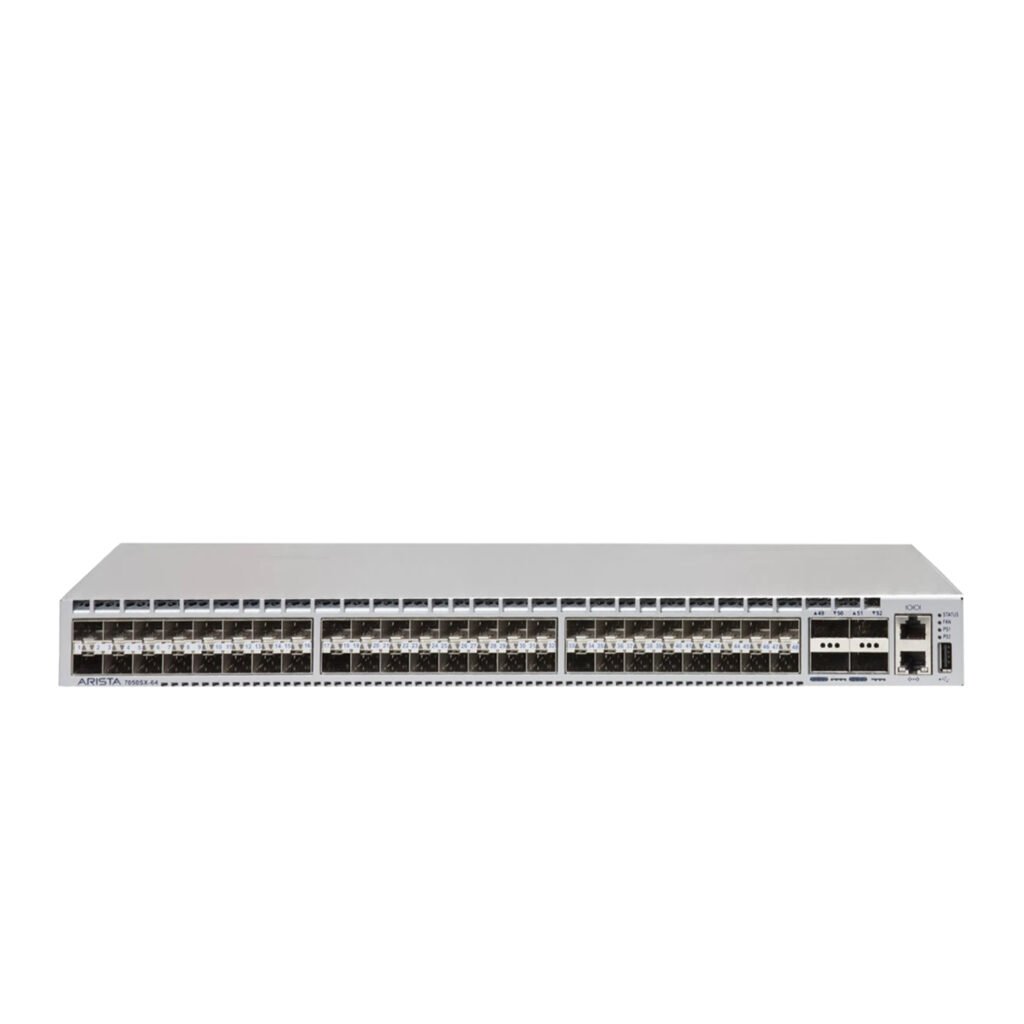
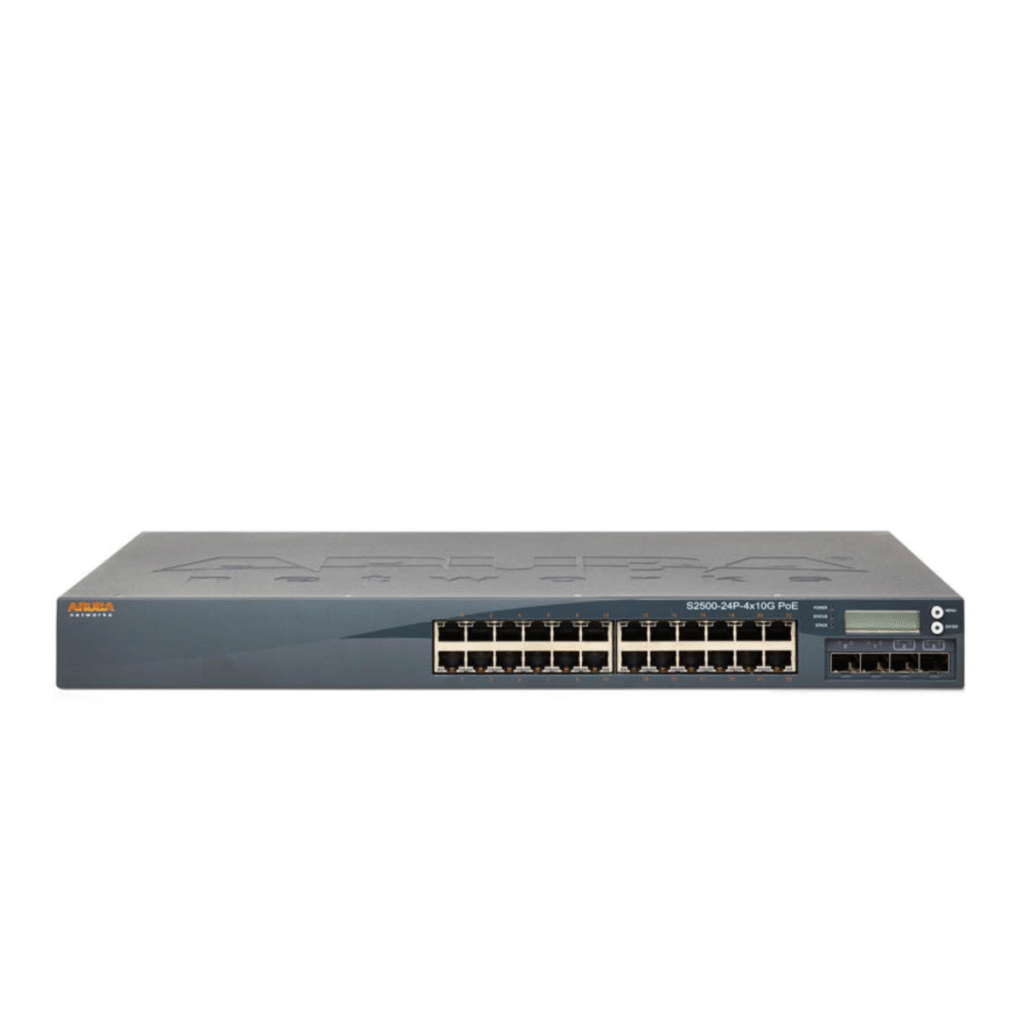
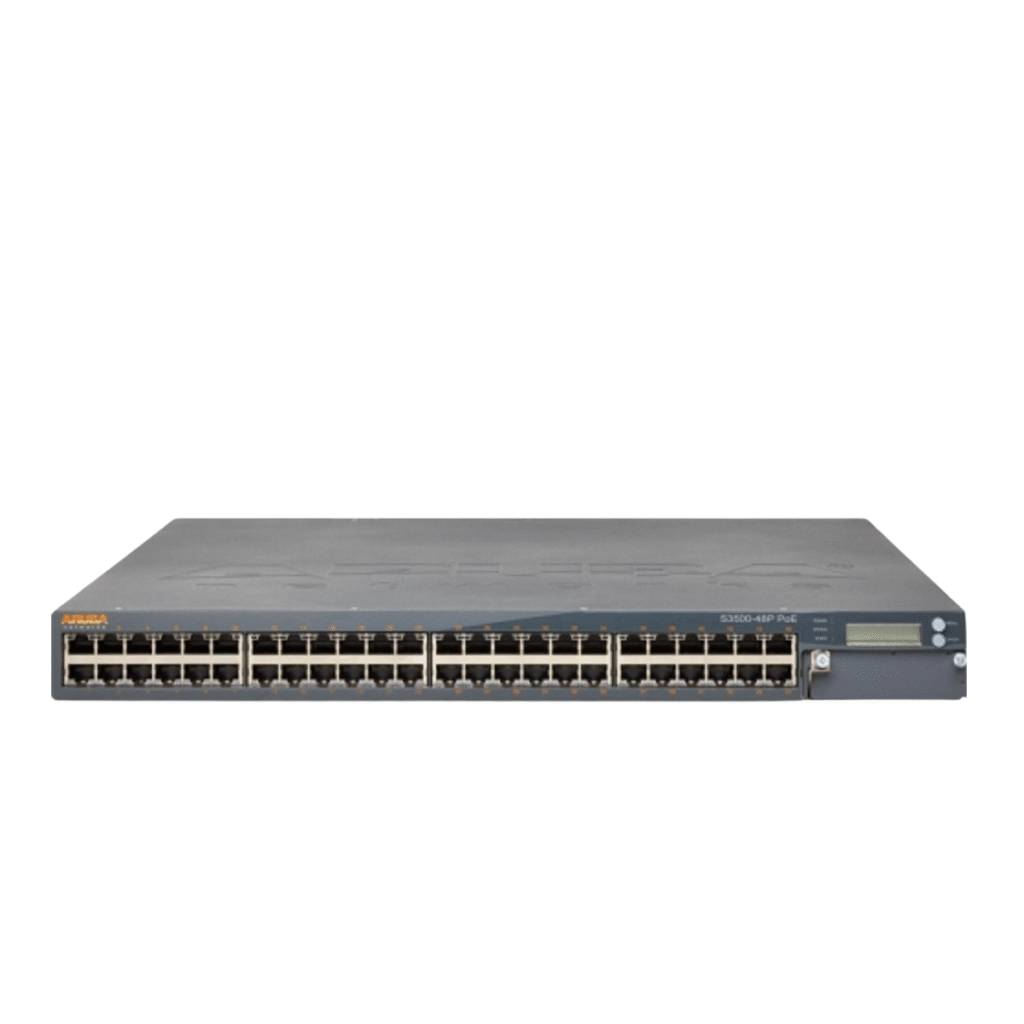
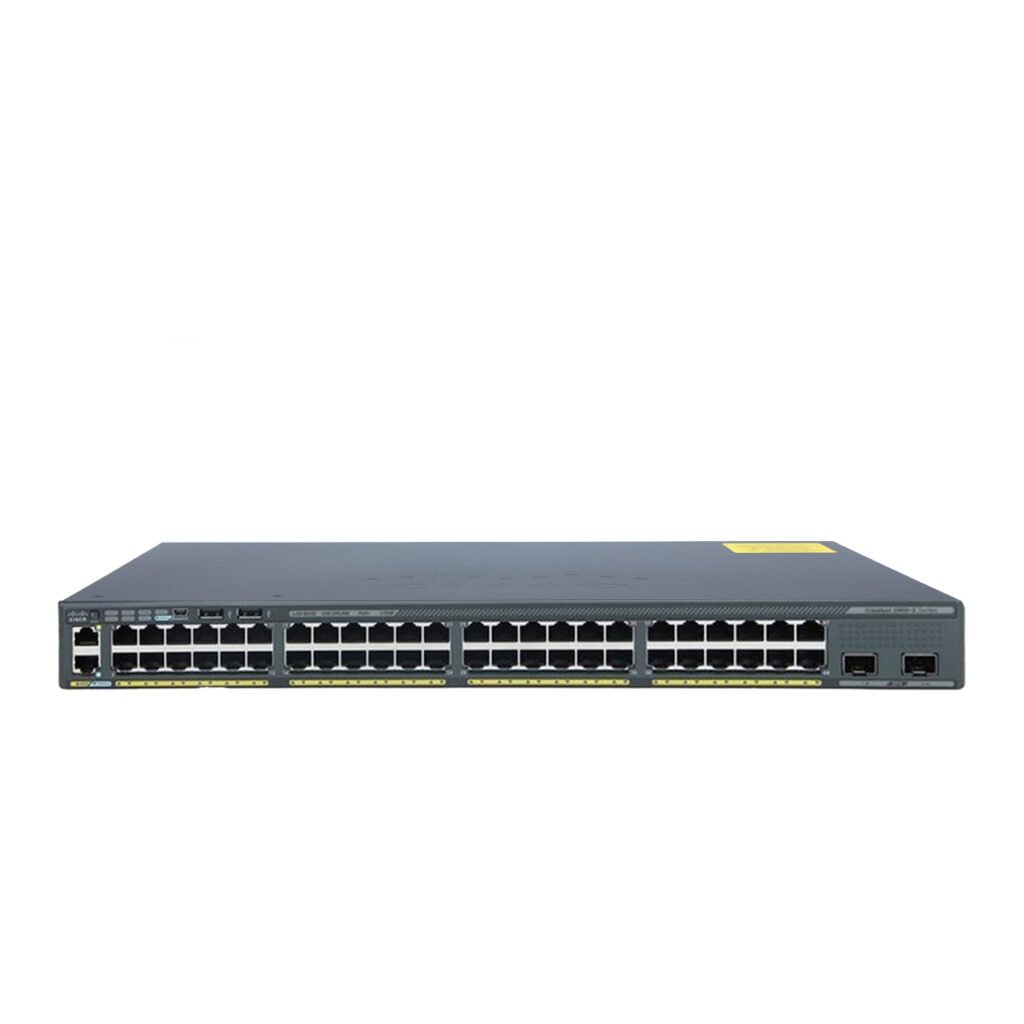
Network switches are one of the most critical components in any business network. They connect multiple devices within a local network and manage how data flows between them.
Key Functions of Network Switches:
Connect computers, servers, printers, and access points
Reduce network congestion
Improve data transfer efficiency
Enable VLAN segmentation for security
Modern managed switches provide advanced features such as:
Quality of Service (QoS)
Network monitoring
Remote management
Advanced security policies
Choosing the right switch is essential for scalability and performance. If you’re evaluating options, this guide will help you make an informed decision:
👉 How to Choose the Right Network Switch for Your Data Center?
Switches are a foundational element when building top networking devices to keep your business always connected.
2. Routers – The Gateway to the Internet
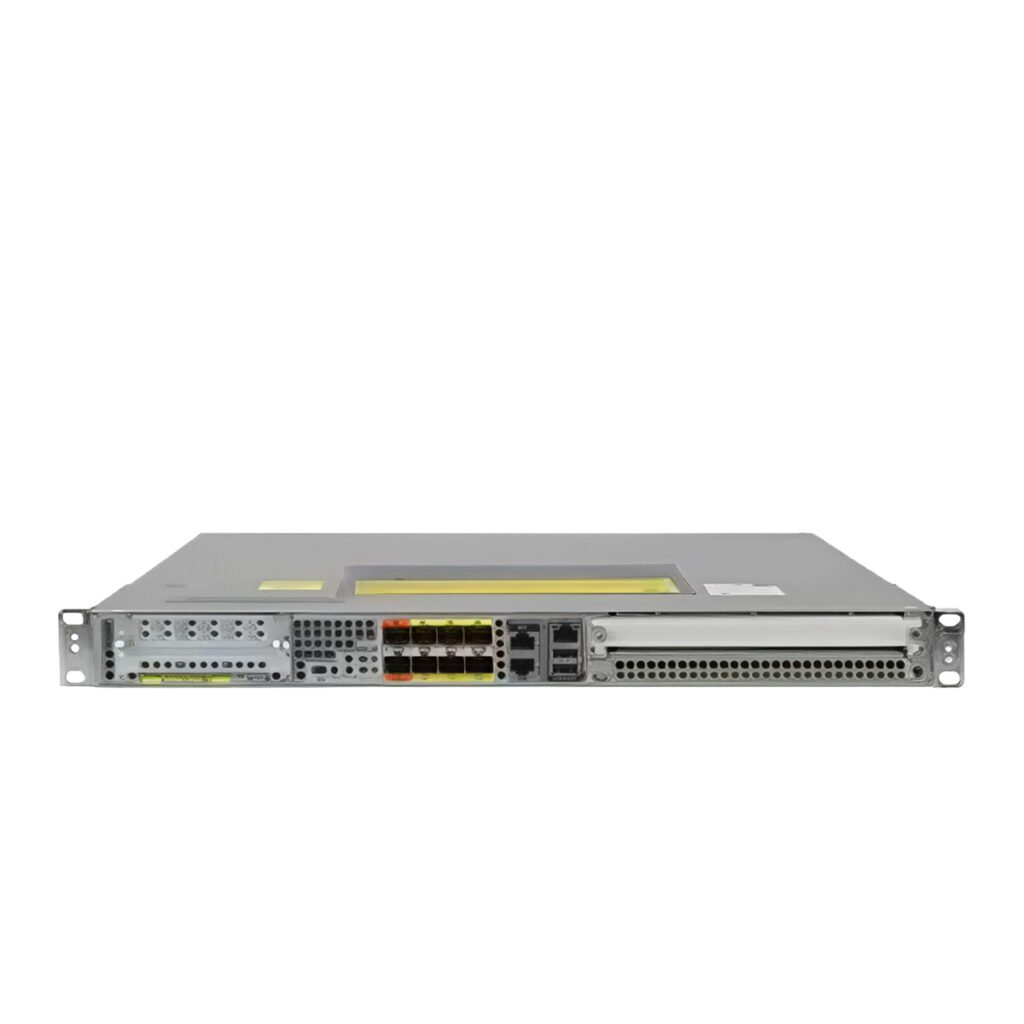
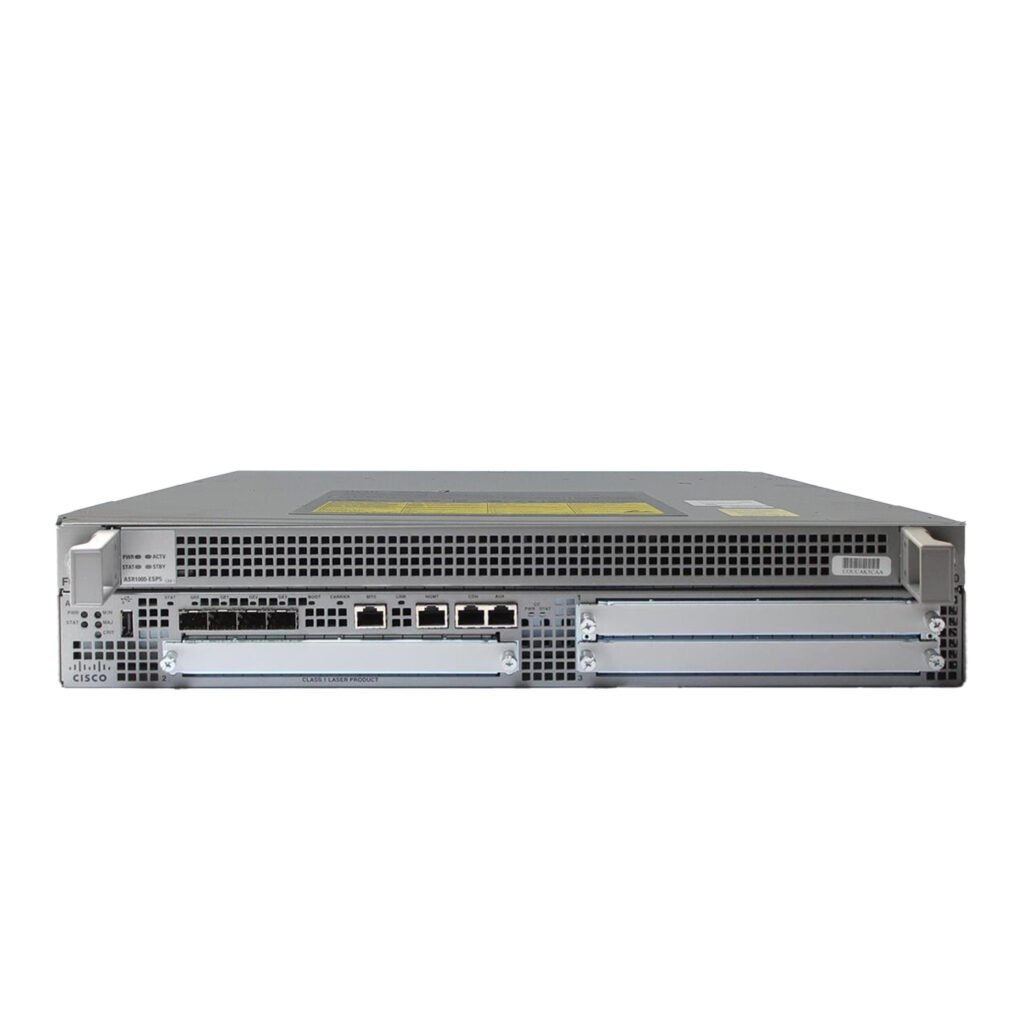
Routers play a vital role in connecting internal networks to external networks such as the internet or WAN connections. They manage data traffic, apply security rules, and ensure optimal routing paths.
Essential Router Features for Businesses:
Advanced firewall and threat protection
VPN support for remote access
Load balancing and traffic prioritization
High throughput and low latency
For businesses operating in competitive environments, selecting the right router can significantly impact performance and uptime.
To explore high-performing options, check out:
👉 Best Business Routers in UAE: Speed, Security & Reliability
Routers are a core component of top networking devices to keep your business always connected, especially in hybrid and cloud-based environments.

3. Firewalls – Securing the Network Perimeter
Cybersecurity is no longer optional. Firewalls act as the first line of defense against unauthorized access, malware, and cyber threats.
Modern Firewall Capabilities:
Intrusion detection and prevention
Deep packet inspection
Application-level control
Real-time threat intelligence
A robust firewall ensures that business data remains protected while allowing legitimate traffic to flow efficiently.
When combined with other top networking devices to keep your business always connected, firewalls create a secure and resilient infrastructure.
4. Wireless Access Points – Enabling Mobility
Wireless connectivity is essential for modern workplaces. Employees rely on stable Wi-Fi to stay productive, whether in offices, warehouses, or remote locations.
Benefits of Enterprise Access Points:
High-speed wireless connectivity
Seamless roaming across large spaces
Centralized management
Support for multiple devices
High-quality access points ensure consistent performance and eliminate dead zones, which directly improves user experience and productivity.
5. Network Security Appliances – Beyond the Firewall
In addition to firewalls, businesses often deploy additional security devices such as:
Intrusion Prevention Systems (IPS)
Secure Web Gateways
Network Access Control (NAC)
These tools enhance visibility and control, helping organizations prevent breaches and comply with industry regulations.
Security is a non-negotiable part of top networking devices to keep your business always connected.

6. Cloud-Integrated Networking Devices
Modern businesses increasingly rely on cloud platforms. Networking devices that integrate with cloud management systems provide centralized visibility and control.
Benefits of Cloud-Managed Networking:
Real-time monitoring
Remote configuration
Automatic updates
Simplified troubleshooting
Cloud-managed infrastructure is ideal for growing businesses with multiple locations or remote teams.
7. Scalability and Future-Proofing Your Network
Future-proofing your network means planning for growth without frequent hardware replacements.
When choosing networking devices, consider:
Modular design
Software-defined capabilities
Compatibility with emerging technologies
Long-term vendor support
A scalable network reduces long-term costs and ensures consistent performance.
To understand how to plan effectively, explore:
👉 How to Build a Future-Proof Business Network
How All These Devices Work Together
A strong network is built on integration:
Switches manage internal data flow
Routers handle external communication
Firewalls secure traffic
Access points enable mobility
Cloud tools provide centralized management
Together, they form top networking devices to keep your business always connected, resilient, and future-ready.
Business Benefits of a Well-Designed Network
Investing in high-quality networking devices leads to:
Reduced downtime
Higher employee productivity
Stronger cybersecurity posture
Better customer experience
Long-term cost efficiency
A well-designed network is not an expense — it’s a strategic asset.
Choosing the Right Networking Strategy
Every business has unique needs. The right strategy depends on:
Company size
Industry requirements
Security priorities
Budget and scalability goals
Working with reliable technology partners and using trusted networking solutions ensures long-term success.
Final Thoughts
In today’s digital-first world, connectivity defines business success. Investing in top networking devices to keep your business always connected is essential for stability, performance, and growth.
By choosing the right combination of switches, routers, firewalls, and access points — and integrating them into a scalable architecture — businesses can stay competitive, secure, and future-ready.
Whether you’re upgrading existing infrastructure or building from scratch, a well-designed network will support your operations today and evolve with your business tomorrow.