















How to Choose a Reliable Server for Your Growing Company

How to Choose a Reliable Server for Your Growing Company
Why Choosing the Right Server Is Critical for Business Growth
As companies grow, their IT infrastructure must evolve to support increasing workloads, expanding teams, and rising data volumes. A server that once met basic needs may no longer deliver the performance, reliability, or scalability required for a growing business. Understanding how to choose a reliable server for your growing company is essential to ensure business continuity, data security, and long-term operational efficiency.
A reliable server is not just a hardware purchase—it is a strategic investment that directly impacts productivity, system uptime, and future expansion.
Understand Your Business Workload Requirements
The first step in learning how to choose a reliable server for your growing company is identifying your current and future workloads. Different businesses rely on servers for different purposes, such as file sharing, databases, ERP systems, virtualization, or application hosting.
Key questions to consider include:
How many users will access the server?
What applications will run on it?
How fast is your data growth?
Will workloads increase in the next 2–5 years?
Clear workload analysis ensures you select a server that meets performance demands without overpaying for unnecessary resources.
Choose the Right Server Type
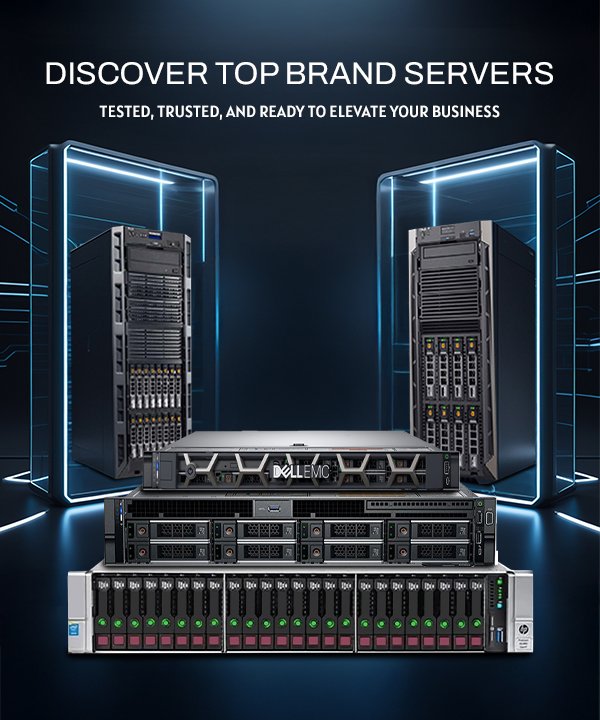
One of the most important decisions when evaluating how to choose a reliable server for your growing company is selecting the appropriate server form factor.
Common server types include:
Tower servers for small offices and limited workloads
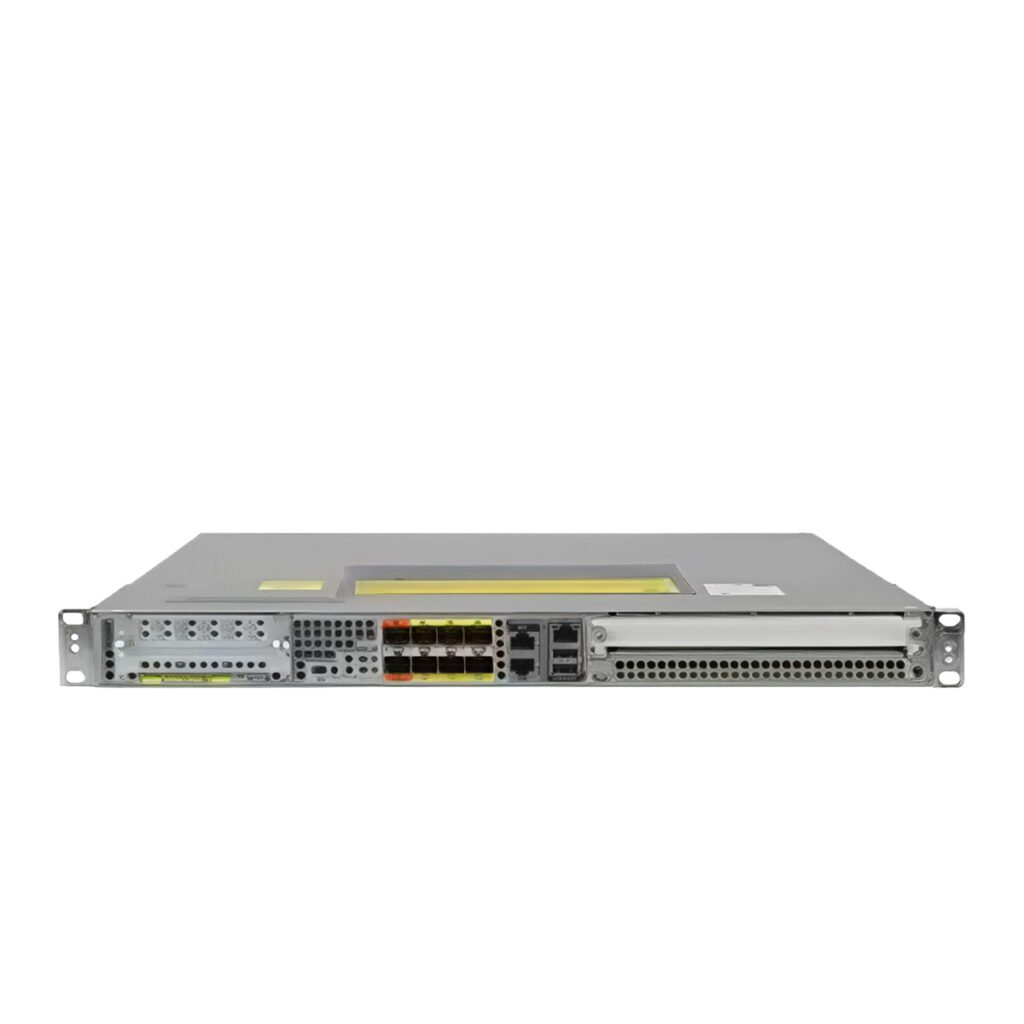
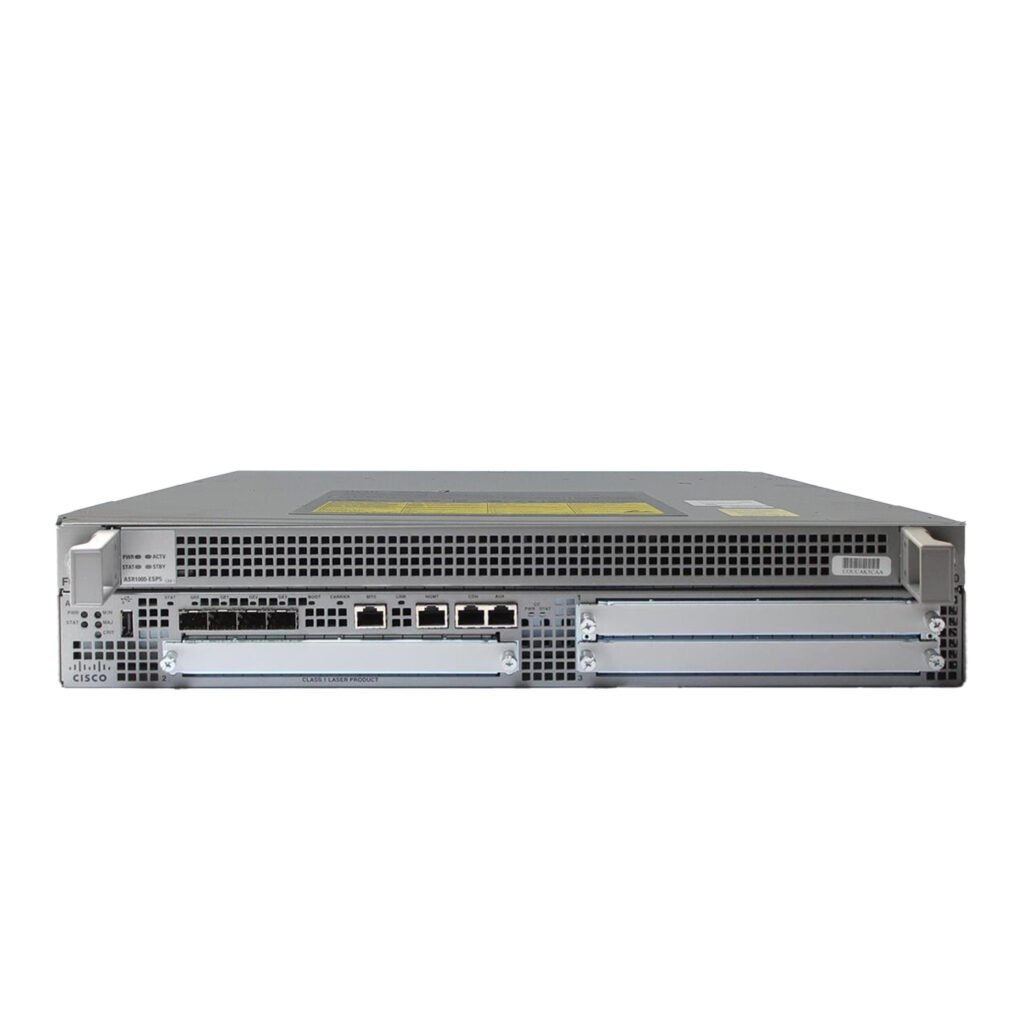
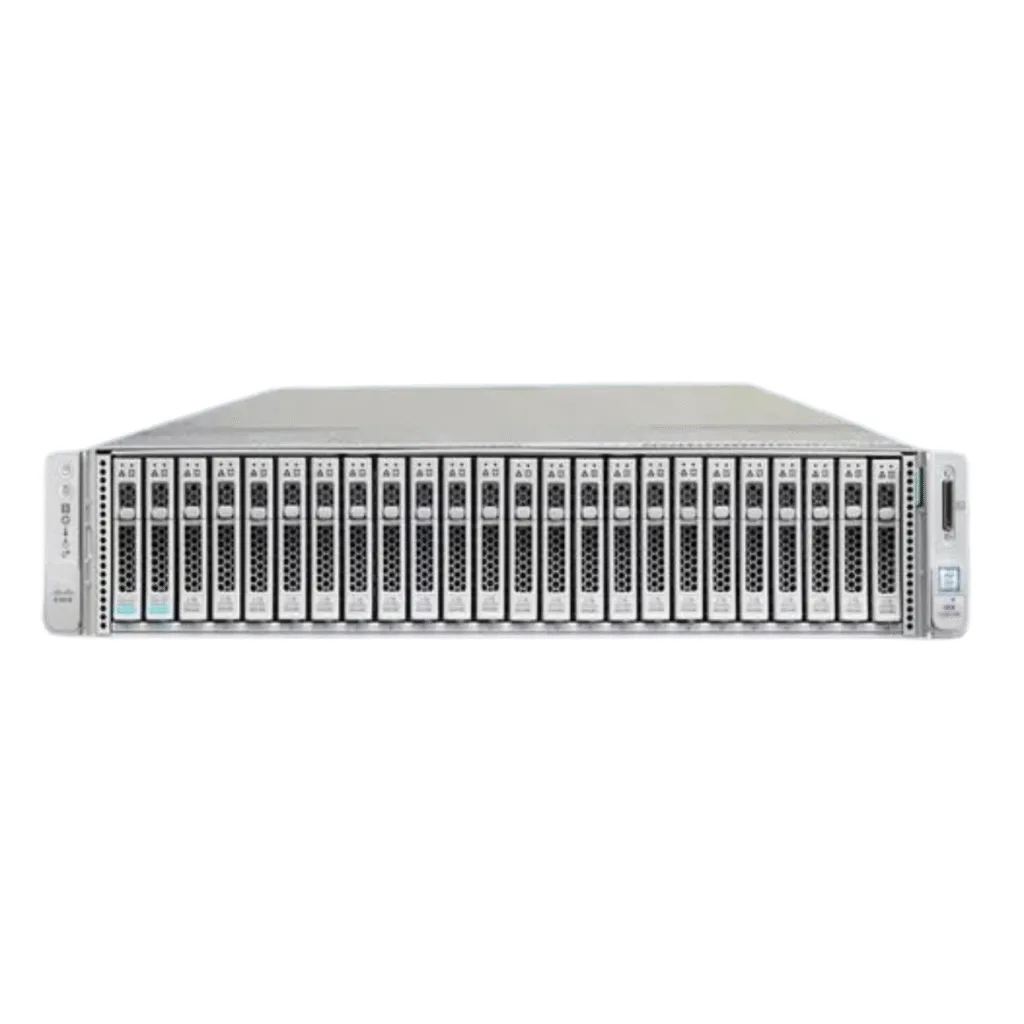
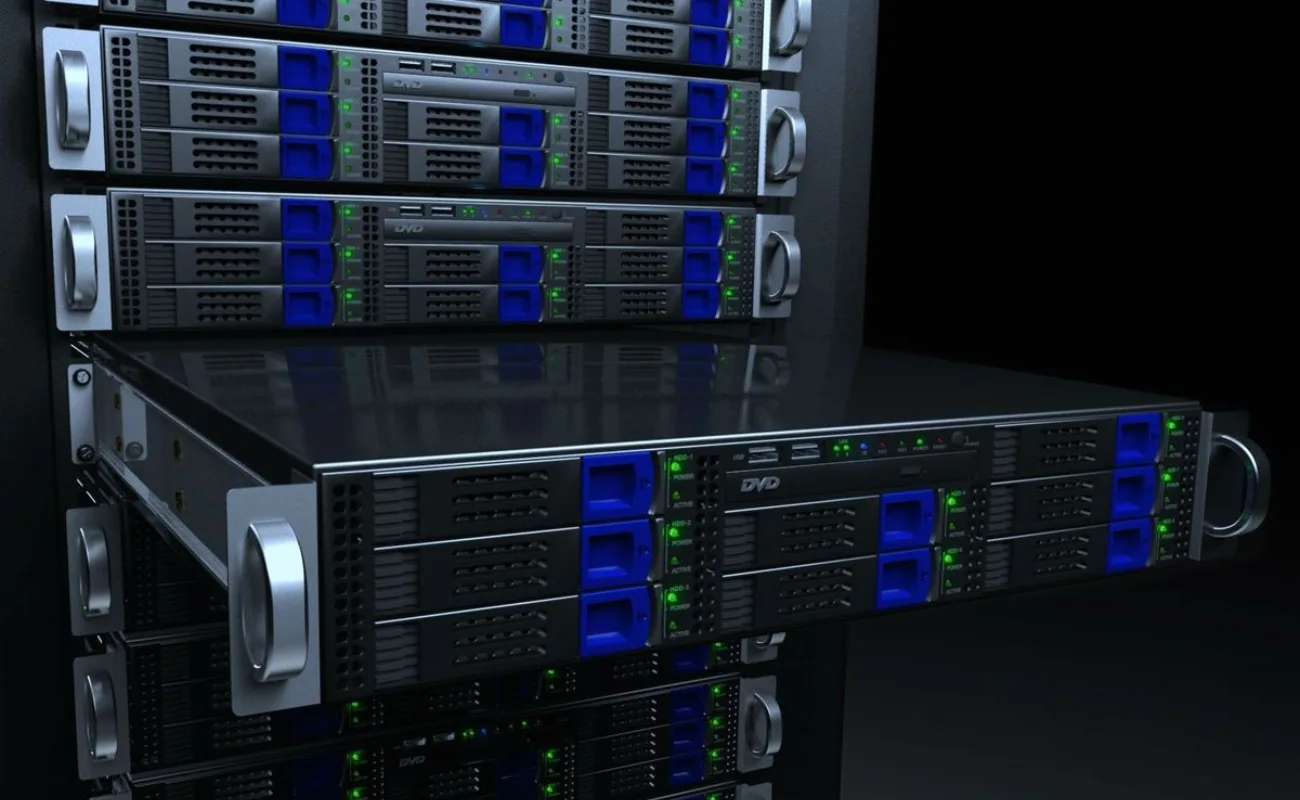
Rack servers for scalability and data center environments
Blade servers for high-density and virtualization-heavy workloads
Growing companies often benefit from rack servers due to their balance of performance, scalability, and efficient space utilization.
Focus on Performance and Processing Power
Server performance directly affects application speed and user experience. When deciding how to choose a reliable server for your growing company, processor selection is critical.
Look for servers that support:
Enterprise-grade CPUs (Intel Xeon or AMD EPYC)
Multiple cores for multitasking
Support for virtualization technologies
Adequate processing power ensures smooth operation as workloads increase.
Plan for Memory and Storage Scalability
Scalability is a key factor in how to choose a reliable server for your growing company. Insufficient memory or storage can quickly become a bottleneck.
Best practices include:
Selecting servers with expandable RAM capacity
Supporting multiple storage types (SATA, SAS, NVMe)
Using RAID for data protection and performance
A scalable server reduces the need for early replacement and supports long-term growth.
Prioritize Reliability and High Availability
Reliability is at the core of how to choose a reliable server for your growing company. Downtime can lead to lost revenue, reduced productivity, and damaged reputation.
Key reliability features include:
Redundant power supplies
Hot-swappable drives
Error-correcting memory (ECC)
Proven enterprise hardware brands
These features ensure continuous operation and reduce the risk of system failure.
Consider Security and Data Protection
Security should never be overlooked when determining how to choose a reliable server for your growing company. Servers often store sensitive business and customer data.
Essential security features include:
Hardware-based security modules
Secure boot and firmware protection
Encryption support
Access control and monitoring
A secure server protects your business from cyber threats and compliance risks.
Evaluate Management and Remote Monitoring Tools
Efficient server management is vital for growing IT environments. When evaluating how to choose a reliable server for your growing company, consider built-in management tools.
Modern servers offer:
Remote monitoring and control
Automated alerts
Simplified firmware updates
Reduced need for on-site intervention
These tools help IT teams manage infrastructure efficiently with fewer resources.
Energy Efficiency and Operating Costs
Operating costs increase as infrastructure scales. A key aspect of how to choose a reliable server for your growing company is energy efficiency.
Energy-efficient servers offer:
Lower power consumption
Reduced cooling requirements
Lower total cost of ownership (TCO)
This is especially important for businesses operating multiple servers or data center environments.
Vendor Support and Warranty Options
Reliable vendor support is a major consideration in how to choose a reliable server for your growing company. Strong after-sales support ensures faster issue resolution and minimal downtime.
Look for:
Extended warranty options
Local service availability
Spare parts accessibility
Proven vendor reputation
Enterprise vendors such as Dell, HPE, and Lenovo are commonly trusted for business-critical deployments.
Budget Planning and Long-Term Value
Cost is always a factor, but the cheapest option is rarely the best. When deciding how to choose a reliable server for your growing company, focus on long-term value rather than upfront price.
A reliable server should:
Support growth without replacement
Reduce downtime and maintenance costs
Deliver consistent performance over time
Investing wisely prevents costly upgrades and disruptions later.
Conclusion: Making the Right Server Choice for Sustainable Growth
Understanding how to choose a reliable server for your growing company allows businesses to build a stable, secure, and scalable IT foundation. By evaluating workload requirements, scalability, reliability, security, and vendor support, companies can select a server that supports growth today and adapts to future demands.
A well-chosen server is not just infrastructure—it is a key enabler of business success, operational efficiency, and digital transformation.