















7 Network Switch Security Features Every Business Should Know


Business networks are becoming increasingly complex. Employees, servers, IP phones, wireless access points, security cameras, and IoT devices all rely on network infrastructure to communicate and access critical resources.
As the number of connected devices increases, network security becomes more important. While firewalls and endpoint security solutions provide essential protection, the network switch also plays an important role in controlling and securing traffic within the business environment.
Understanding Network Switch Security Features allows organizations to build stronger network infrastructures and reduce the risk of unauthorized access, network attacks, and internal security issues.
Modern managed switches can provide security capabilities such as VLAN segmentation, Access Control Lists (ACLs), port security, authentication, DHCP protection, and traffic monitoring. These features give IT administrators greater visibility and control over how devices access the network.
At Smart Vision UAE, we provide enterprise-grade networking solutions from trusted manufacturers, including Cisco, Aruba, and Arista. Our range of switches is designed to support different business requirements, from growing offices to demanding enterprise and data center environments.
In this guide, we’ll explore 7 Network Switch Security Features that every business should understand before selecting or upgrading its network switching infrastructure.
Why Network Switch Security Matters
A network switch connects multiple devices within a local network. If access to that network is not properly controlled, unauthorized devices may potentially gain access to business resources.
This can create risks such as:
- Unauthorized network access
- Data exposure
- Network attacks
- Rogue devices
- Traffic interception
- Network disruption
- Unauthorized communication between network segments
Security features built into managed switches can help organizations control access and segment network traffic.
A properly configured switch can therefore become an important layer within a broader business security strategy.

7 Essential Network Switch Security Features
Let’s look at seven important security capabilities businesses should consider when selecting enterprise switches.
1. VLAN Segmentation
Virtual Local Area Networks, commonly known as VLANs, are one of the most important Network Switch Security Features available on managed switches.
VLANs allow administrators to logically separate devices and traffic within the same physical network infrastructure.
For example, a business could create separate VLANs for:
- Employees
- Guests
- Voice and IP phones
- Security cameras
- Servers
- Management devices
- IoT equipment
Instead of placing every device on one flat network, VLAN segmentation creates logical boundaries between different groups.
This can improve security by limiting unnecessary communication between network segments.
For example, guest devices can be placed on a dedicated guest VLAN that does not have direct access to internal business resources.
Why VLANs Matter
VLANs can help businesses:
- Isolate sensitive systems
- Separate guest traffic
- Organize departments
- Reduce unnecessary broadcast traffic
- Improve network management
- Support security policies
For growing organizations, VLANs provide a scalable way to structure network access.
2. Port Security
Port security is another important capability when evaluating Network Switch Security Features.
A switch port can potentially be accessed by unauthorized devices if physical access to the network is not controlled.
Port security allows administrators to restrict which devices are permitted to use specific ports.
Depending on the switch platform, administrators may be able to control access using device MAC addresses or other authentication mechanisms.
For example, a business could configure a specific office port to allow only an authorized workstation.
If an unknown device is connected, the switch can take a configured action such as blocking or restricting the connection.
Benefits of Port Security
Port security can help:
- Prevent unauthorized devices
- Control physical network access
- Reduce the risk of rogue connections
- Protect sensitive network segments
- Improve visibility into connected devices
This is particularly useful in offices, schools, healthcare environments, and other locations where many users have physical access to network ports.
3. Access Control Lists (ACLs)
Access Control Lists, or ACLs, provide another important layer of network security.
ACLs allow administrators to define rules that control which traffic is permitted or denied.
Rules can be used to control communication based on criteria such as:
- Source IP address
- Destination IP address
- Protocol
- Port
- Traffic type
For example, an organization may allow users in one VLAN to access a specific server while preventing unnecessary access to other systems.
ACLs provide more granular control than simply separating devices into VLANs.
Why Businesses Use ACLs
ACLs can help organizations:
- Restrict unauthorized traffic
- Protect critical resources
- Control communication between network segments
- Apply department-specific access policies
- Reduce unnecessary network exposure
For businesses handling sensitive data, properly configured ACLs can be an important part of the overall network security architecture.
4. 802.1X Authentication
802.1X authentication is a powerful security mechanism that controls access to network ports.
Instead of allowing any device to connect simply because it has an Ethernet cable, 802.1X can require authentication before network access is granted.
This is particularly useful for organizations that need stronger control over employee and device access.
A typical 802.1X environment involves:
- A supplicant, usually the connecting device
- An authenticator, such as the network switch
- An authentication server
The authentication process can verify whether a user or device is authorized to access the network.
Benefits of 802.1X
802.1X can help businesses:
- Prevent unauthorized network access
- Authenticate users and devices
- Strengthen access control
- Support identity-based network policies
- Improve security in large environments
Organizations with many employees and connected devices can benefit significantly from centralized authentication.
5. DHCP Snooping
DHCP Snooping is another useful security feature available on many managed enterprise switches.
DHCP is responsible for automatically assigning IP addresses to network devices. A malicious or unauthorized DHCP server could potentially provide incorrect network configuration to connected devices.
DHCP Snooping helps the switch distinguish between trusted and untrusted DHCP traffic.
This can help protect networks against certain DHCP-based attacks and unauthorized DHCP servers.
Why DHCP Snooping Matters
Businesses can use DHCP Snooping to:
- Identify trusted DHCP sources
- Block unauthorized DHCP responses
- Improve network security
- Create a more controlled DHCP environment
This feature becomes particularly useful in larger networks where many users and devices connect to the same infrastructure.
6. MAC Address Security and Device Control
MAC addresses provide another method of controlling devices connected to network switches.
Enterprise switching platforms can offer features that allow administrators to monitor or restrict devices based on their MAC addresses.
This can help IT teams identify:
- Authorized devices
- Unknown devices
- Frequently changing connections
- Devices connected to specific ports
MAC-based controls can complement other security mechanisms such as VLANs, port security, and authentication.
Benefits for Businesses
Device-level control can help organizations:
- Improve network visibility
- Identify unauthorized equipment
- Control access to specific ports
- Simplify troubleshooting
- Support network access policies
However, MAC-based controls should generally be used as one layer of security rather than the sole security mechanism.
7. Traffic Monitoring and Network Visibility
The final feature in our list of Network Switch Security Features is traffic monitoring.
Security is not only about blocking unauthorized access. IT teams also need visibility into what is happening across the network.
Managed switches can provide monitoring capabilities that help administrators understand:
- Which ports are active
- How much traffic is being transmitted
- Which devices are connected
- Whether unusual traffic patterns are occurring
- Where potential performance problems exist
Depending on the switch platform, administrators may use technologies such as SNMP, port mirroring, logging, and other monitoring mechanisms.
Better visibility helps IT teams detect problems faster and investigate suspicious activity more effectively.
Network Switch Security Features: Quick Comparison
| Security Feature | Main Purpose | Business Benefit |
|---|---|---|
| VLANs | Network segmentation | Isolates traffic |
| Port Security | Device control | Restricts unauthorized connections |
| ACLs | Traffic filtering | Controls communication |
| 802.1X | Authentication | Verifies users/devices |
| DHCP Snooping | DHCP protection | Blocks unauthorized DHCP sources |
| MAC Controls | Device identification | Improves access control |
| Traffic Monitoring | Network visibility | Helps detect issues |
These features work best when combined as part of a broader network security strategy.
How to Improve Switch Security
Selecting a switch with advanced security capabilities is only the beginning. Proper configuration and ongoing management are equally important.
Use Strong Administrative Credentials
Administrators should use strong, unique credentials for network equipment and avoid default passwords.
Access to switch management interfaces should also be restricted to authorized administrators.
Keep Network Equipment Updated
Software and firmware updates can improve security, stability, and functionality.
Businesses should maintain an appropriate update process and verify compatibility before applying updates to production environments.
Segment the Network
Use VLANs and appropriate access policies to separate different types of devices.
For example:
- Guest devices
- Employee computers
- Voice systems
- Security cameras
- Servers
- IoT devices
This can reduce unnecessary communication between network segments.
Monitor Network Activity
Regular monitoring helps IT teams identify unexpected changes and potential problems.
Administrators should review:
- Connected devices
- Port activity
- Traffic levels
- Authentication events
- Security alerts
Disable Unused Ports
Unused switch ports can represent unnecessary points of access.
Where appropriate, administrators can disable unused ports and enable them only when required.
Enterprise Switches Available at Smart Vision UAE
Smart Vision UAE offers a selection of enterprise switching solutions from leading manufacturers.
Available models include:
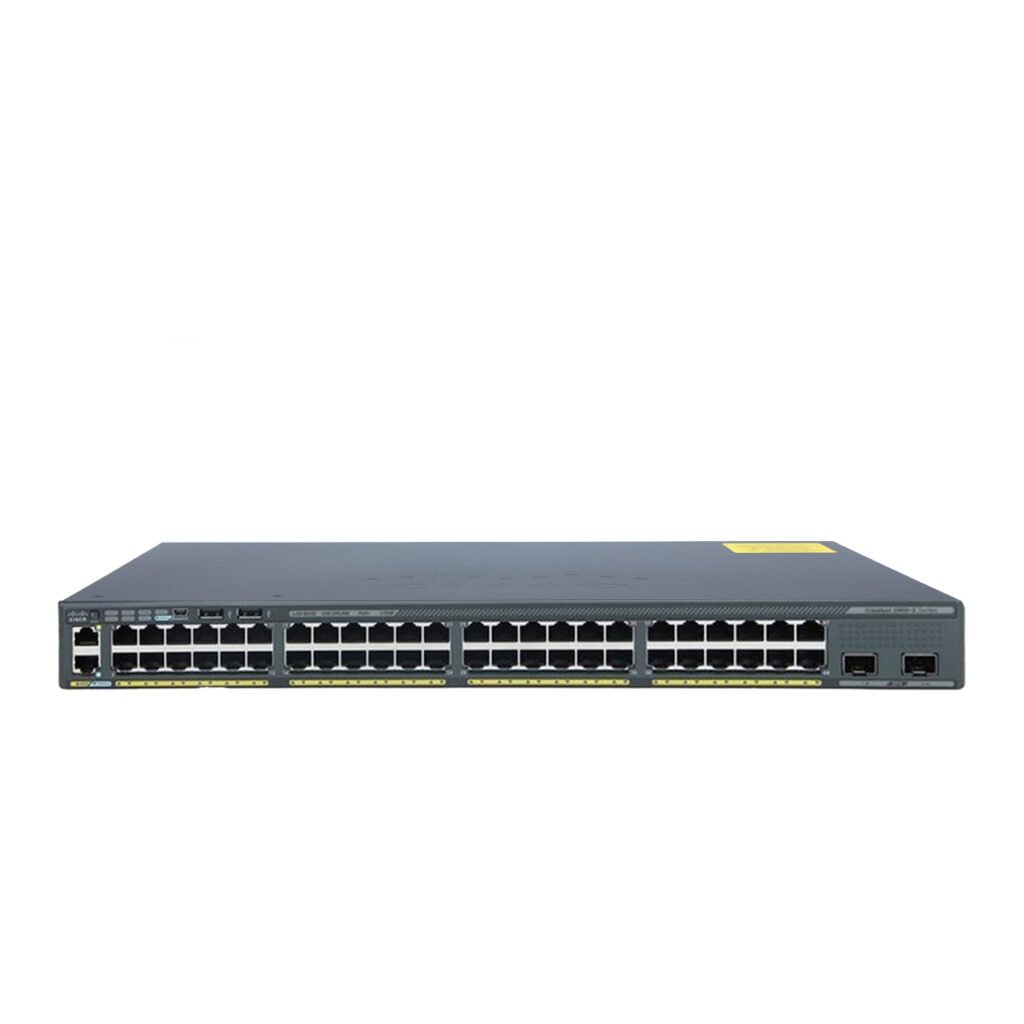
- Cisco Catalyst 2960-X Series Ethernet Switch
- Cisco Catalyst 3650 48 Port PoE+ Gigabit Ethernet Switch
- Cisco Catalyst 3750-X 48 Port PoE+ Gigabit Ethernet Switch
- Cisco Catalyst 3850 48-Port PoE+ Gigabit Ethernet Switch
- Cisco Catalyst 4507R+E Modular Switch
- Cisco Catalyst 9300 24x UPOE Switch
- Cisco Catalyst 9400 Series C9407R Modular Switch
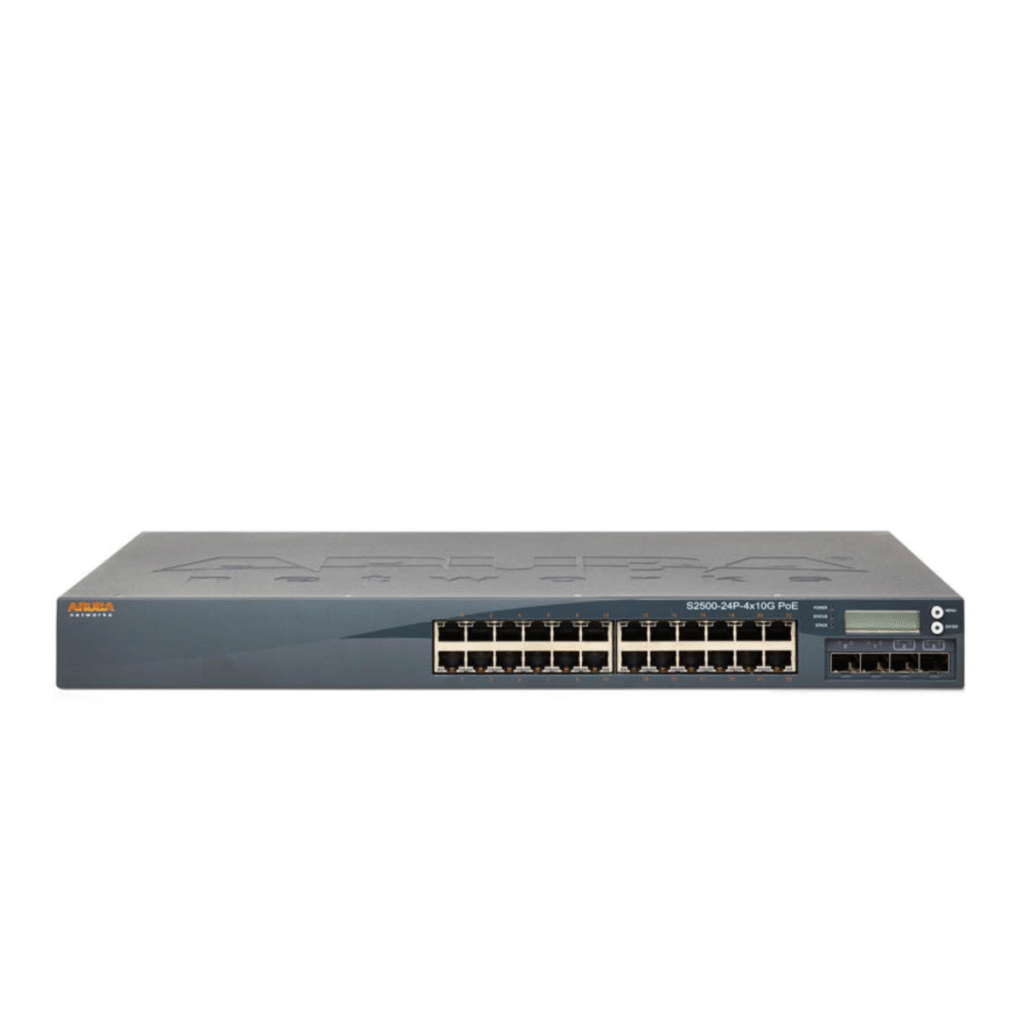
- Aruba Networks S2500-24P-4X10G PoE Gigabit Ethernet Switch
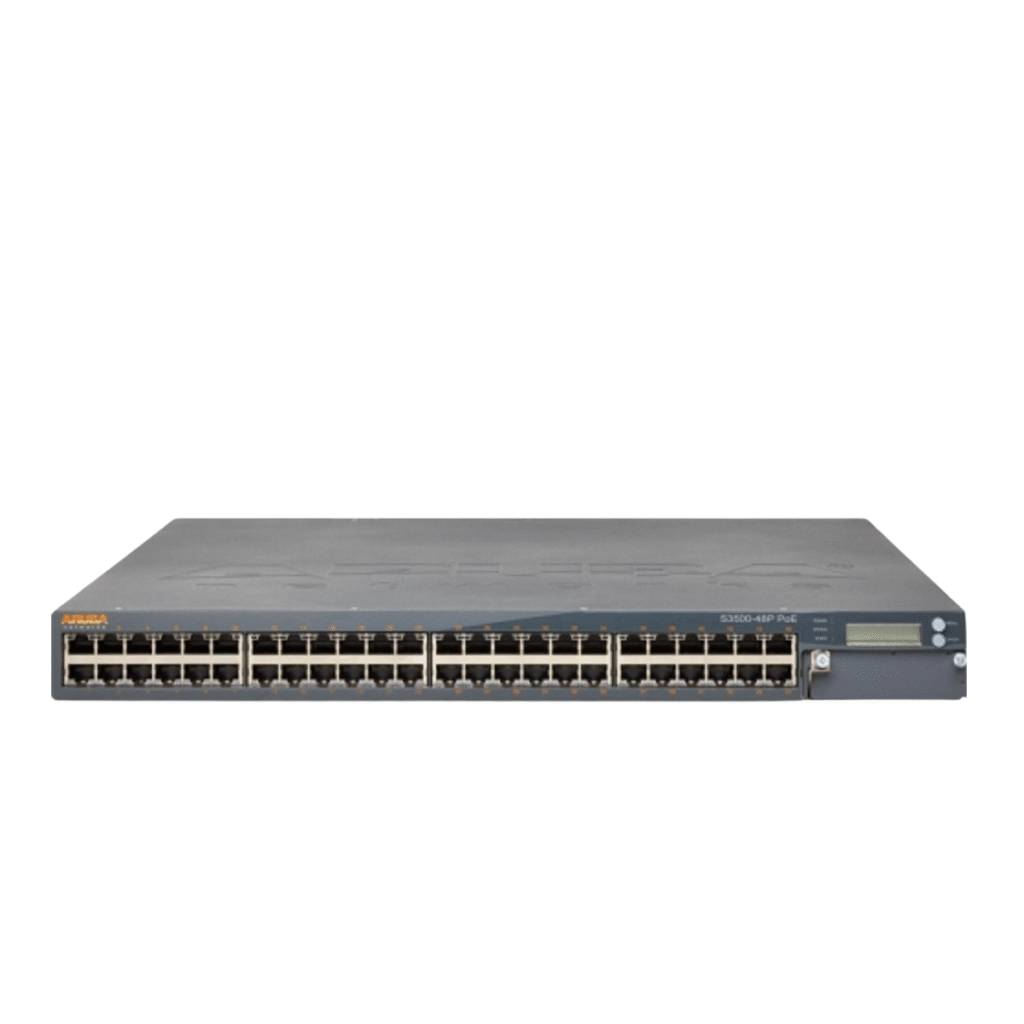
- Aruba Networks S2500-48P-4X10G PoE Gigabit Ethernet Switch
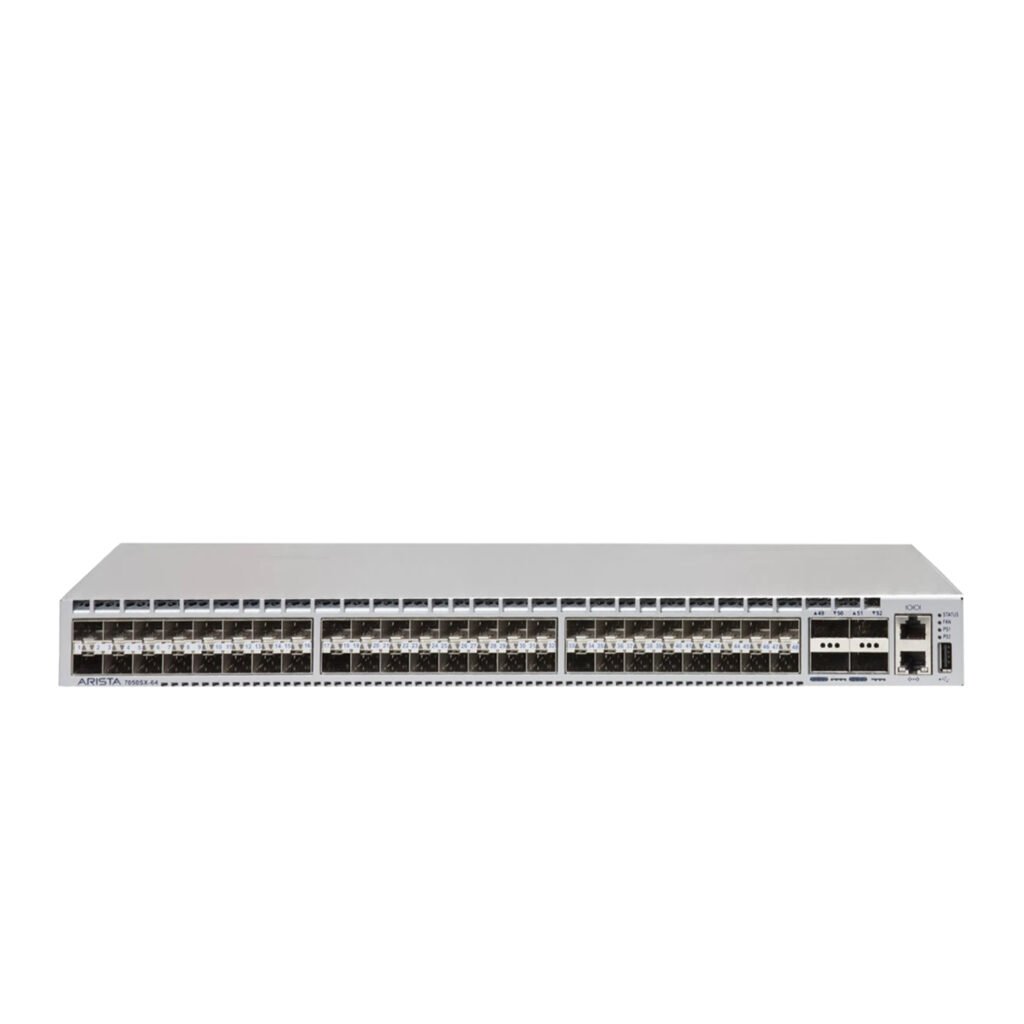
- Arista Networks DCS-7050SX-64 Data Center Switch
Different models support different combinations of security, management, performance, and scalability features.
Before selecting a switch, businesses should verify the exact capabilities of the specific model and software version.

Choosing the Right Secure Network Switch
The best switch for your organization depends on several factors.
Number of Users
Larger organizations generally require higher port density and stronger management capabilities.
Security Requirements
Organizations handling sensitive information may require advanced authentication, segmentation, ACLs, and monitoring.
PoE Requirements
If your business uses IP phones, wireless access points, or security cameras, consider PoE-enabled switching solutions.
Network Growth
Businesses should consider future users, devices, bandwidth requirements, and infrastructure expansion before selecting a switch.
Management Requirements
If your IT team needs detailed monitoring and centralized control, a managed enterprise switch may be more appropriate than a basic unmanaged solution.
Why Choose Smart Vision UAE?
At Smart Vision UAE, we help organizations build reliable and secure network infrastructures using enterprise-grade networking equipment.
Our portfolio includes switching solutions suitable for:
- Small businesses
- Growing enterprises
- Corporate offices
- Branch networks
- High-density environments
- Data centers
By offering multiple enterprise switching platforms, Smart Vision UAE helps businesses choose solutions based on their connectivity, security, performance, and scalability requirements.
Conclusion
Understanding Network Switch Security Features is essential for businesses that want to protect their network infrastructure while maintaining reliable connectivity.
Features such as VLAN segmentation, port security, ACLs, 802.1X authentication, DHCP Snooping, MAC-based controls, and traffic monitoring provide IT teams with greater control over network access and traffic.
However, no single switch feature can provide complete protection. Effective network security requires a layered approach that combines secure switching, firewalls, endpoint protection, authentication, monitoring, proper configuration, and regular maintenance.
As businesses continue to connect more users and devices, selecting a switch with the right security capabilities becomes increasingly important.
Smart Vision UAE offers enterprise networking solutions designed to help organizations build scalable, reliable, and secure infrastructures for modern business requirements.
Frequently Asked Questions
What are Network Switch Security Features?
Network Switch Security Features are capabilities built into managed switches that help businesses control network access, segment traffic, authenticate devices, filter communications, and monitor network activity.
Which switch security feature is most important?
There is no single feature that is best for every network. VLANs, ACLs, port security, authentication, DHCP protection, and monitoring work together to provide multiple layers of protection.
Do unmanaged switches provide advanced security features?
Unmanaged switches generally provide basic connectivity and have limited configuration capabilities. Businesses requiring advanced security controls should consider managed enterprise switches.
What is VLAN segmentation used for?
VLANs allow businesses to separate network traffic into logical segments. This can help isolate guest users, employees, servers, voice systems, cameras, and other devices.
What does 802.1X do on a network switch?
802.1X provides port-based network access control by requiring authentication before a device is granted network access.
Why is traffic monitoring important?
Traffic monitoring gives IT teams visibility into network activity and can help identify performance problems, unusual traffic, and unauthorized devices.
How can Smart Vision UAE help businesses choose a secure switch?
Smart Vision UAE offers enterprise switching solutions from leading manufacturers and can help businesses evaluate products based on their port requirements, performance, PoE needs, security capabilities, and scalability.
Strong switch security is only one part of a reliable business network. Explore our guide on PoE vs Non-PoE Switches: 8 Powerful Factors to Compare to understand how power delivery, installation, flexibility, and scalability can affect your switch selection.